

Hunting and trade in wild animals remain among the most significant threats to biodiversity in Asia and the Pacific. Demand for wild meat, particularly in urban centres, drives unsustainable levels of hunting and trade as well as zoonotic risks, compounded by habitat loss and fragmentation. As a result, hundreds of mammal, reptile and bird species have declined sharply across the region, reflected in the growing number of “empty” or “silent” forests.
Asia and the Pacific is also a risk hotspot for future outbreaks of emerging infectious diseases, especially along wild meat value chains where interactions between people, wildlife and domesticated animals are frequent and unpredictable. These complex challenges call for more integrated management to ensure safe, equitable and sustainable wild meat value chains – from local hunters to urban consumers.
Despite clear links between wild meat use and biodiversity loss, food security and health risks, research on hunting and consumption in Asia and the Pacific remains limited to a handful of countries and sites. This knowledge gap hinders efforts to develop evidence-based recommendations and policy guidance for a sustainable wild meat sector at national and regional levels.
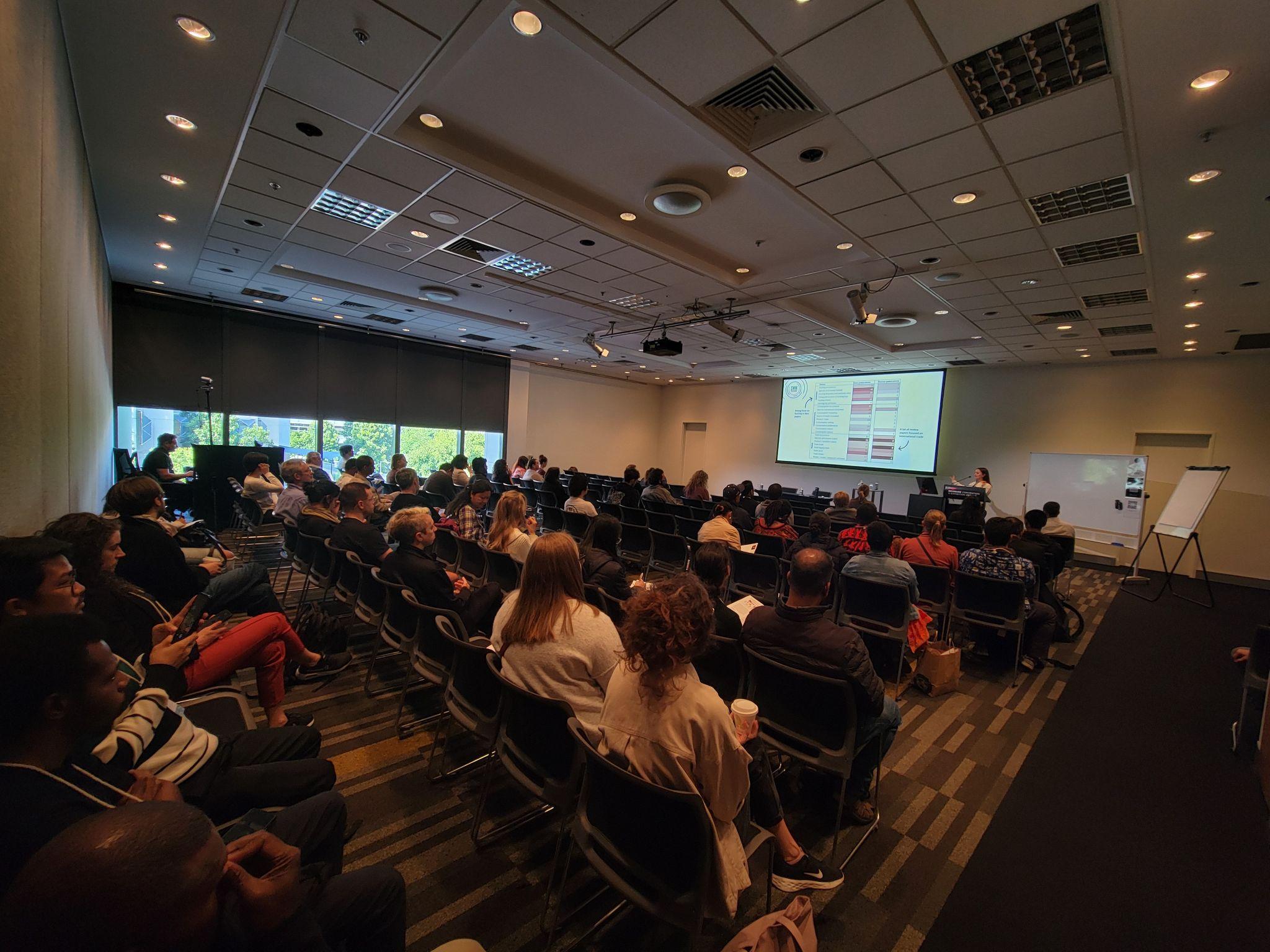
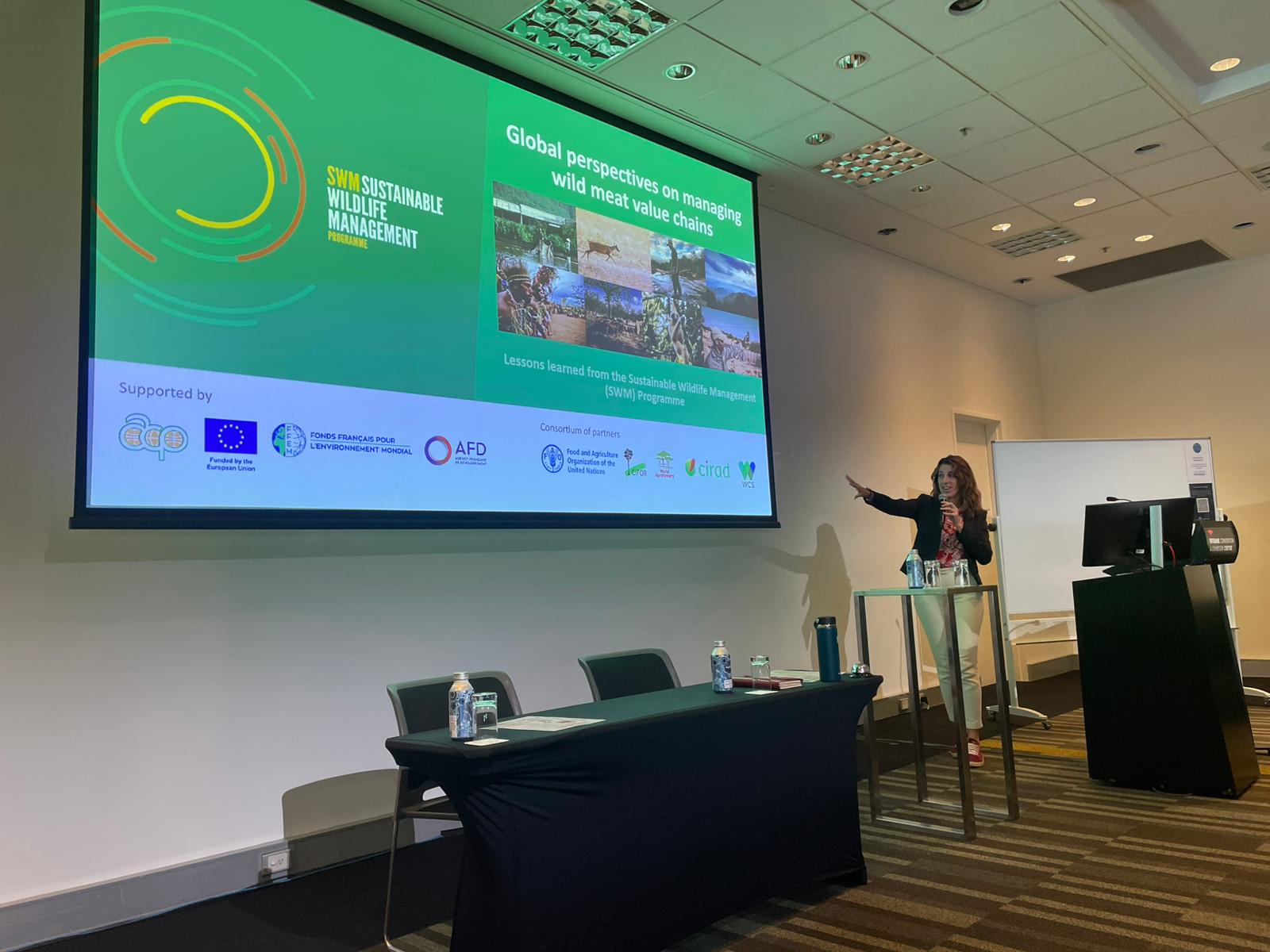
Scientists and practitioners have been working to bridge this gap. At this year’s International Congress for Conservation Biology (ICCB 2025) in Brisbane, Australia, specialists in wild meat hosted a symposium titled ‘From forest to fork: The impacts of wild meat use on food security, biodiversity conservation, rural livelihoods and health in the Asia-Pacific’. The event was co-organised by theSustainable Wildlife Management (SWM) Programme and the International Livestock Research Institute (ILRI).
Banner for the “From forest to fork” ICCB 2025 symposium on wild meat use in the Asia–Pacific.
Image courtesy of the SWM Programme partners
The opening speaker presented SWM Programme-led research on wild meat in Asia and the Pacific, highlighting major knowledge gaps and opportunities for future work to guide effective interventions. Drawing on examples from around the world, other speakers shared experiences in applying rights-based, integrated approaches that can support more sustainable and equitable wild meat management.
The timing of the congress was relevant as implementation of the Kunming–Montreal Global Biodiversity Framework (GBF) accelerates and calls grow to integrate One Health principles into biodiversity and food systems policy. SWM Programme partners and ILRI are contributing to efforts that help decision-makers manage wild meat value chains in safer and more sustainable ways.
Get involved
The SWM Programme is conducting a comprehensive review of wild meat research gaps across Asia and the Pacific, with findings expected in late 2025. Researchers working on wild meat in the region who wish to contribute are encouraged to get in touch.
The Sustainable Wildlife Management (SWM) Programme is an international initiative co-funded by the European Union, the French Facility for Global Environment and the French Development Agency. It aims to improve the conservation and sustainable use of wildlife in tropical ecosystems, enhance the living conditions of communities that depend directly on wildlife and reduce zoonotic risks. It is implemented by the Food and Agriculture Organization of the United Nations (FAO), the French Agricultural Research Centre for International Development (CIRAD), the Center for International Forestry Research and World Agroforestry (CIFOR-ICRAF) and the Wildlife Conservation Society (WCS).
The International Livestock Research Institute (ILRI)works to improve food and nutritional security in developing countries through livestock systems research. Its work on wild meat focuses on wildlife trade, livestock production and public health, including zoonotic disease risks in Asia and Africa.