

Agroecology is inherently complex. Unlike conventional high-input monocropping systems, it demands close attention to local conditions – soil, shade, plant succession, species interactions, livestock integration and market dynamics. Each element affects the next, requiring a systems approach rather than a single solution.
Leadership in agroecology, then, must mirror that complexity. It calls for people who can navigate uncertainty, recognise context-specific opportunities and limits, and work across traditional boundaries. As the Transformative Partnership Platform on Agroecology (AE-TPP) puts it, “this includes context-specific recognition of opportunities and limitations, understanding relationship dynamics, building alliances — often with unlikely or untrusted partners — and identifying personal patterns of enabling or hindering change efforts”.
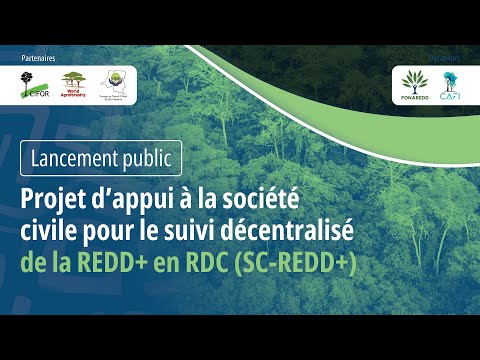
Banner for the webinar where participants of GIZ’s Agroecology Leadership Academy presented their transformation initiatives.
Recognizing those needs across the partner countries of the EU-cofunded action “ProSilience Enhancing Soils and Agroecology for Resilient Agri-Food Systems in Sub-Saharan Africa” — which aims to accelerate the agroecological transition in Benin, Ethiopia, Kenya and Madagascar — the Deutsche Gesellschaft für Internationale Zusammenarbeit (GIZ) launched the Agroecology Leadership Academy, which ran from January to November 2024.
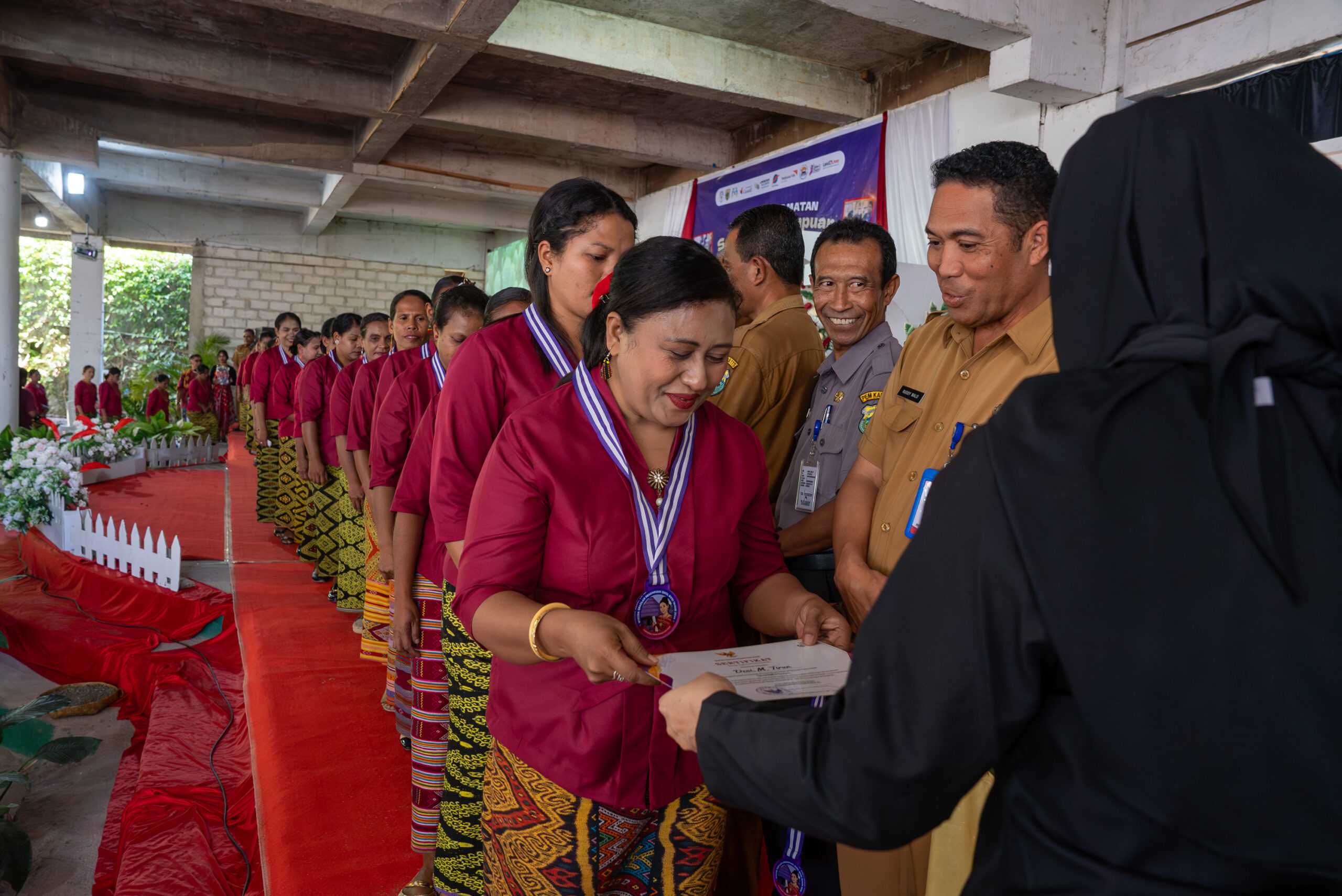
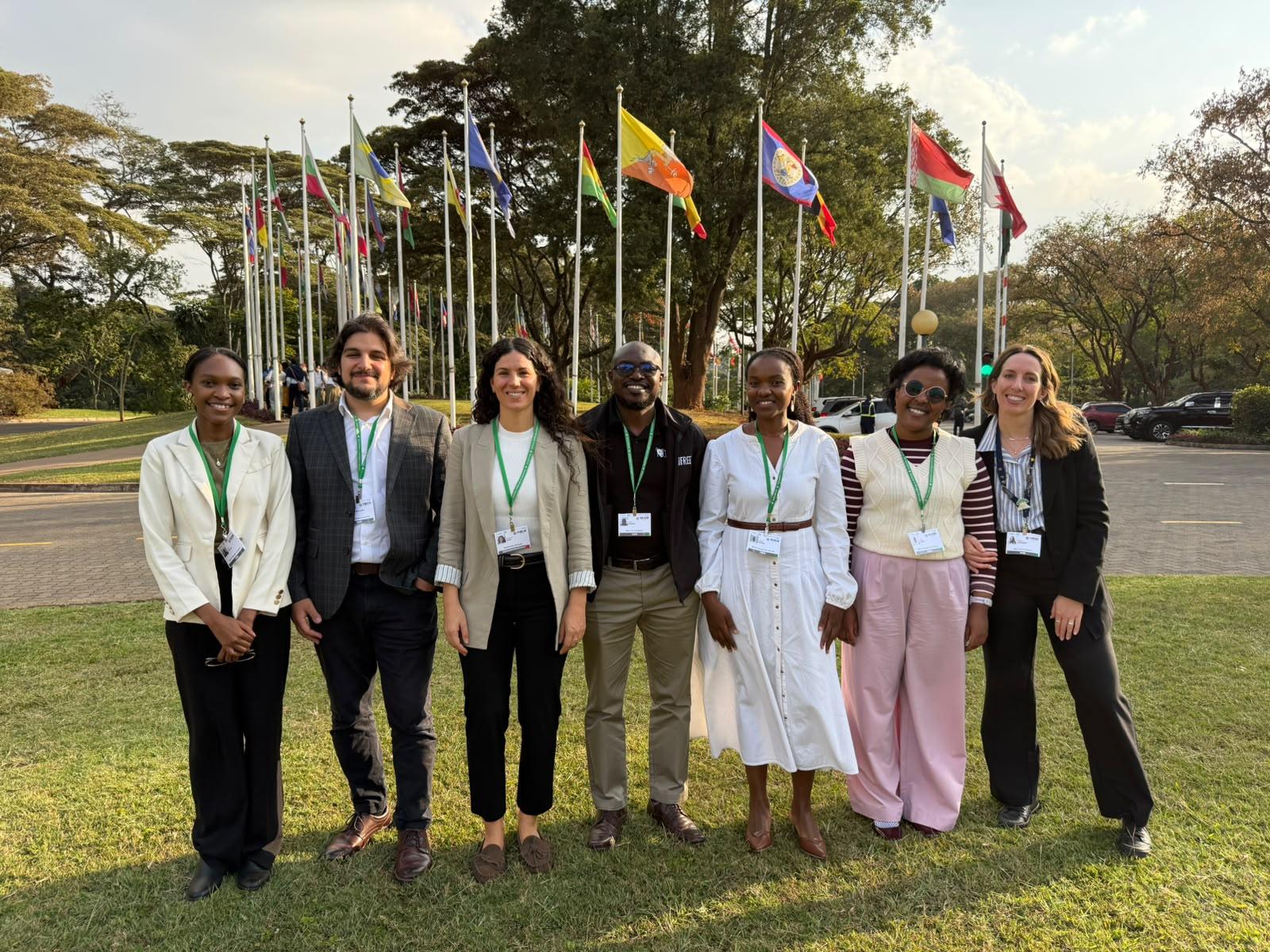
The learning and development programme began with an online kickoff, followed by multiple in-person meetings in Kenya and Ethiopia, and four online events. Its 38 alumni represented ministries, NGOs, farmer organizations, research institutions and the private sector. Over the year, seven country teams designed and began implementing transformation initiatives.
At a webinar on 23 January 2025, program participants reflected on their work lessons learned and the paths ahead in their respective agroecological leadership journeys. Opening the event Levke Sörensen, deputy head of the Global Programme “Soil Protection and Rehabilitation for Food Security” (ProSoil) at GIZ and Lead of the EU co-funded action ProSilience, praised the participants’ work: “Despite the diverse biographies and experiences of each individual, you all share the common responsibility and motivation that something really needs to change, something must transform within our societies,” she said. “You have all succeeded in translating the somewhat abstract concept of agroecology into concrete recommendations and ideas tailored to your context.”
Alexander Fröde, lead facilitator of the Academy, described the four key elements of the Academy, encapsulated in an effective agricultural metaphor: planting seeds for change and transformation; making space for the growth and personal development of all involved; harvesting the expertise of all participants through peer learning; and transformation, both personal and systemic. Participants explored what drives social change, the qualities needed for effective leadership, and how teams and organizations can work cohesively to bring about transformation.
From India, the country team focused on leading agroecological transformation at district scale. Beginning in Uttara Kannada district in Karnataka, they gathered data on existing programmes and connected with farmers and agroecology-focused organizations toidentify major challenges – limited problem-solving support, certification difficulties, policy gaps and lack of leadership.
Then, they co-created transition strategies and convened a district-level event to discuss them. “The advantage of this event was that we already have agroecological programs happening, but they are all implemented through independent government departments and they were not working together,” said G. V. Ramanjaneyulu, the executive director of the Krishna Sudha Academy for Agroecology and a member of the team. They’re now preparing to begin implementation in the upcoming season.
The Kenyan team took quite a different approach – a communications campaign to promote the National Agroecology Strategy, launched in November 2024. “When policies and strategies are launched, the regular person doesn’t usually know, “How does this policy affect me?” said Sylvia Kuria, a team member, farmer and the founder of Sylvia’s Basket, an organic grocery enterprise. “And we also realized that most times when we talk about agroecology, we’re normally speaking to the converted: we’re all in the same church choir. So, how can we reach people outside the choir?”
First, they produced a simplified, more visual version of the strategy. Then they hosted a ‘transformative stakeholder’ event that drew a broad mix of actors able to champion change — human rights organizations, private sector representatives, media, youth, faith-based groups and consumers. The team is now supporting these actors to mainstream agroecology promotion within their respective fields.
In Ethiopia, lawyer and human rights expert Betru Dibaba outlined his team’s work reviewing national legal and policy documents relevant to agroecology. “We concluded from the process that Ethiopia needs to have a harmonized national agroecological framework,” he said. The team also proposed establishing agroecological demonstration plots in the Somali and Afar regions, though funding is not yet secured.
Following a lively Q+A with more than 200 attendees, Sörensen closed the webinar with praise for the country teams’ co-creative spirit. “You have truly demonstrated how diverse — and at the same time how tangible — agroecology is as a force for change,” he said.
↓ WATCH THE WEBINAR BELOW ↓
Acknowledgements
The Agroecology Leadership Academy was implemented under the European Union–co-funded action “ProSilience: Enhancing Soils and Agroecology for Resilient Agri-Food Systems in Sub-Saharan Africa”. The action was embedded within the Global Programme “Soil Protection and Rehabilitation for Food Security” (ProSoil), which is implemented by the Deutsche Gesellschaft für Internationale Zusammenarbeit (GIZ) GmbH. ProSoil is commissioned by Germany’s Federal Ministry for Economic Cooperation and Development (BMZ) and co-funded by the European Union and the Bill & Melinda Gates Foundation.