





In 2026, as countries continue to implement their forest commitments, turning pledges into action often slows down where ministries, sectors, and mandates are not aligned. Across regions, recent insights point to a shared challenge: ambition is rarely the problem; coordination is.
This misalignment leads to fragmented support for forests and the communities that depend on them.
Forests and land-use systems play a crucial role in supporting climate regulation, food security, water availability and sustainable rural livelihoods. The multifunctional role of trees and forests in resilient landscapes is well-documented. However, translating these commitments into effective implementation remains difficult when governance structures are fragmented, a persistent challenge highlighted in research and observed in restoration efforts.
The challenge is particularly acute for smallholder farmers, who form the backbone of many rural economies and depend on forests for employment and income. Approximately 240 million people live in forested regions, and forest-based activities provide about 30 million informal jobs and up to one-third of rural non-farm employment.
At the same time, people living in and around forests face restricted access to resources and limited benefits from trade and investment. When coordination gaps persist, smallholders must navigate overlapping policies, evolving sustainability requirements, and uneven, limited institutional support.
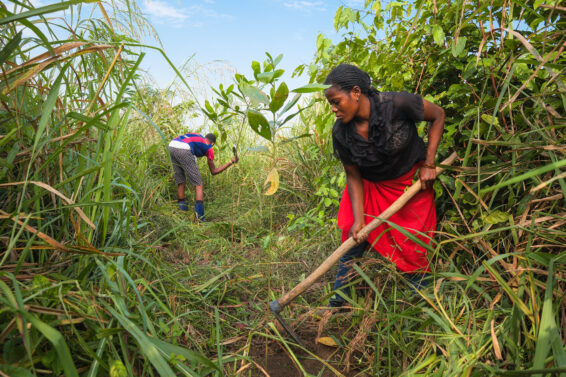
Coffee plantation in Yangambi, Democratic Republic of the Congo. Smallholder production landscapes often overlap with forested areas. Photo by Axel Fassio / CIFOR-ICRAF.
A shared challenge across countries
From cocoa-producing landscapes in West Africa to palm oil and timber systems in Southeast Asia and across the Amazon, coordination challenges follow similar patterns. These long-standing issues resurfaced during exchanges on forest and land-use action at COP30, where participants reflected on the difficulty of aligning environmental objectives with agricultural, trade and finance policies.
In many countries, forest and climate agendas are led by environment ministries, while agricultural subsidies, trade negotiations and export standards fall under separate authorities. Finance ministries operate within their own mandates.
This institutional separation weakens policy coherence and, as trade-offs emerge, makes clear the need for stronger cross-sector coordination between forest and agricultural sectors to manage land, biodiversity and ecosystem services. In turn, this fragmentation creates gaps between policy design and delivery.
Where systems struggle
One recurring tension lies at the intersection of trade and forest conservation. COP30 initiated a dialogue starting this year to deliberate on the challenges and opportunities of trade in the climate regime. At the same time, countries face growing pressure to demonstrate sustainability across global supply chains.
Yet, trade rules, tariffs and market access conditions are often designed without sufficient coordination with domestic land-use planning and forest governance systems. As expectations evolve internationally, national systems may struggle to adjust at the same pace.
Finance represents another persistent gap. Participants at COP30 emphasized that sustainable transitions remain underfunded. Global assessments indicate that current forest finance, both public and private, falls well short of what is required to meet climate and land-use goals.
And, even where enabling policies exist, limited access to finance hampers smallholder participation and reduces opportunities for innovation and adaptation. Barriers to accessing and scaling finance for local actors, including smallholders, remain significant. Capital constraints, perceived risks and limited supportive mechanisms continue to restrict investment flows to local actors.
When coordination falters, forests and communities feel it
The consequences of these gaps extend beyond administrative inefficiencies. When policies fail to align, forests face continued degradation and rural communities are left navigating overlapping or contradicting demands with limited support.
In South America, small and medium-scale producers form the backbone of rural employment. Yet studies show that compliance with stringent sustainability and traceability requirements can be costly and technically demanding, particularly for smaller firms and cooperatives, risking exclusion from key markets.
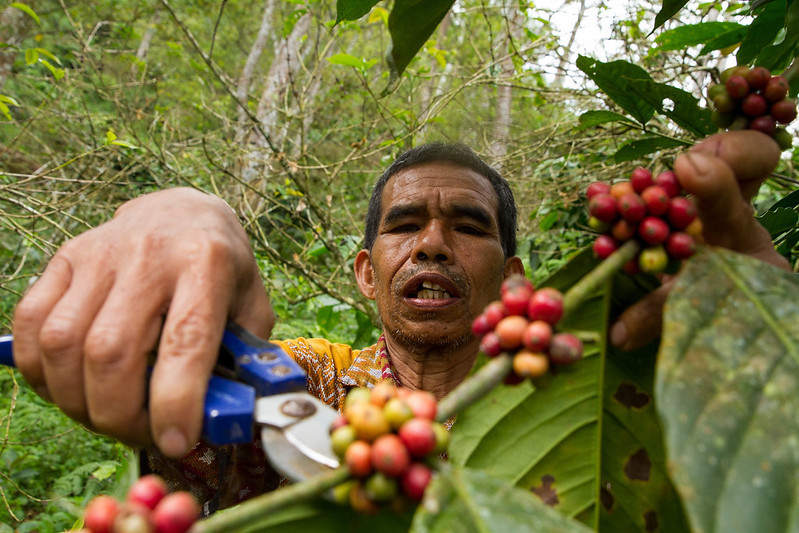
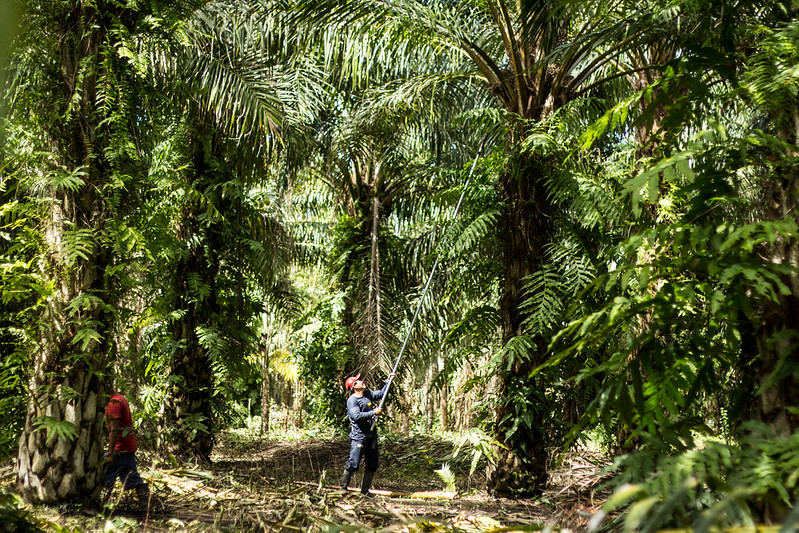
Across Southeast Asia and West Africa, reports highlight how smallholders in palm oil, cocoa and other commodity systems often face burdensome costs for certification, data collection and traceability, with limited access to infrastructure, technology or finance to meet requirements, raising concerns about marginalization in formal supply chains.
Analysts warn that without targeted support, these compliance barriers may weaken livelihoods even as producers seek to contribute to sustainable production and forest protection.
Learning spaces, not uniform solutions
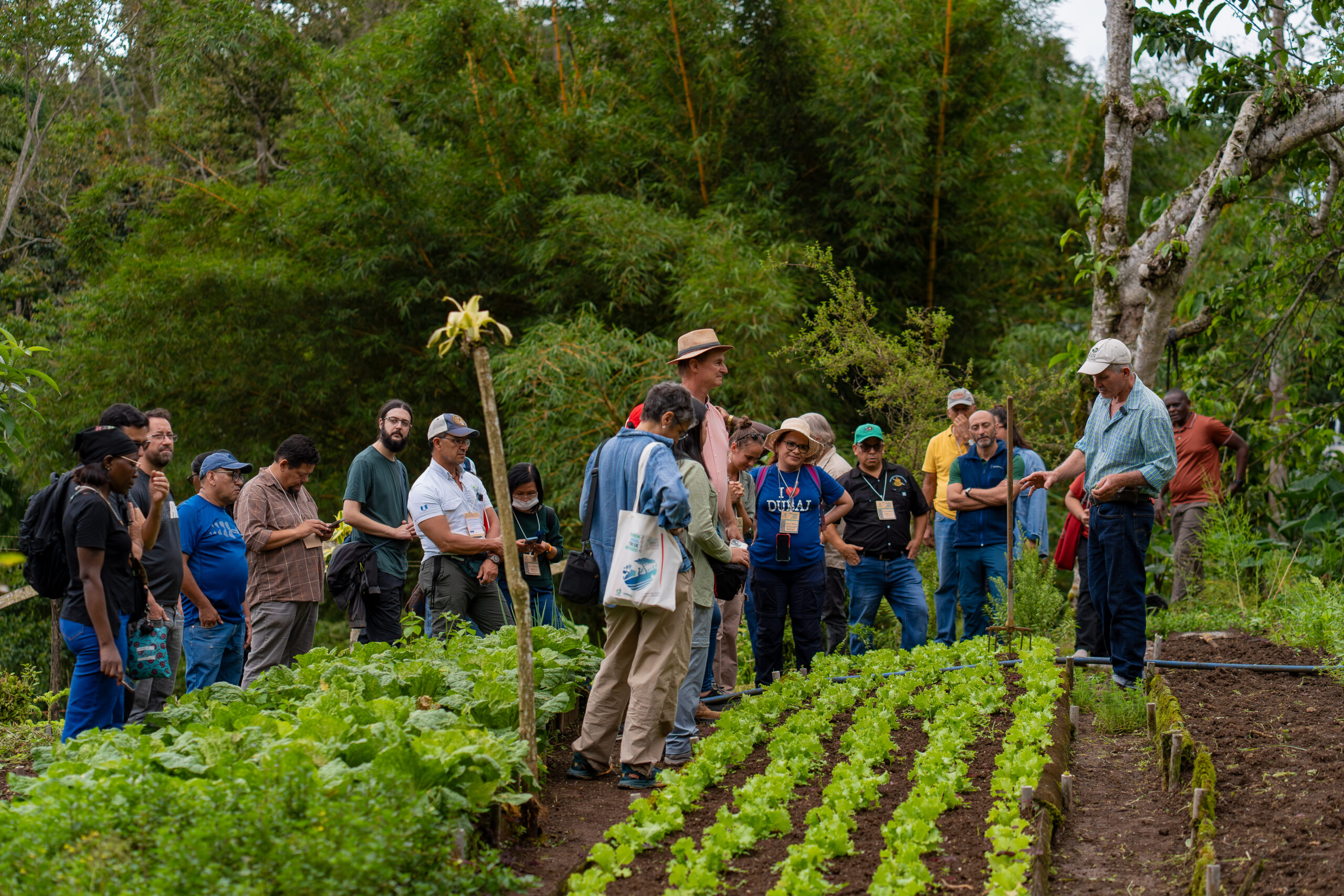
Multi-country dialogues have increasingly become spaces where shared challenges and learnings are examined collectively. Rather than delivering ready-made solutions, such platforms allow countries to exchange experience, identify common patterns and reflect on what has worked and what has not.
In these settings, officials often highlight the value of informal, non-negotiating exchanges that bridge producer and consumer perspectives. By focusing on practical barriers rather than high-level commitments, these dialogues help clarify where coordination breaks down and what conditions are needed to sustain progress.
However, dialogue alone is insufficient. Learning must translate into institutional reforms, sustained cooperation across ministries and long-term investment in people and systems. Multi-country dialogues such as the FACT Dialogue bring together producer and consumer countries to exchange experiences and lessons learned, clarifying coordination gaps and the conditions needed to sustain progress, without implying any single program is the solution.

What countries identify as priorities
Looking ahead, policymakers point to several priorities. Greater recognition of national sustainability systems could reduce duplication and ease the burden on producers. Phased and inclusive approaches to standards can help smallholders adapt without being excluded. Bundling finance with technical assistance and digital tools can lower risks and improve outcomes on the ground.
Policymakers highlight strengthening cross-sector coordination as a key prerequisite for translating ambition into effective action.
Above all, sustained coordination — across sectors, across borders and across levels of governance — remains essential. Ambition has set the direction. The extent to which forests and rural communities benefit will depend on how well institutions work together to deliver on it.