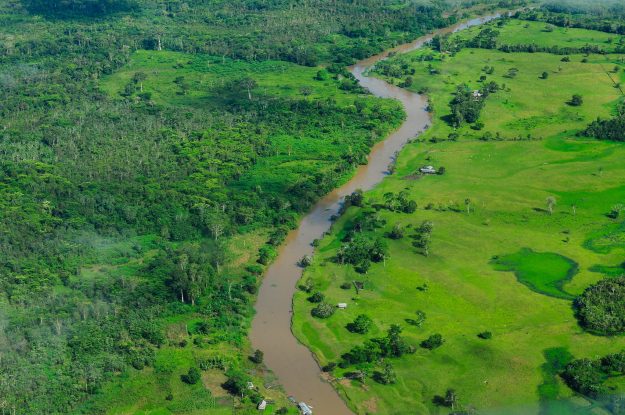
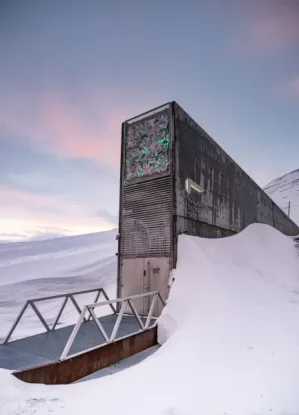


Rwanda, situated in Eastern Africa, is a country of many hills, steep terrains and a vibrant population that depends heavily on agriculture for its livelihood. According to the National Accounts for the Fiscal Year 2024/25, agriculture contributed 21 percent to the country’s GDP, demonstrating just how central farming is to Rwanda’s economy. Beyond economic value, the sector plays a vital role in shaping the country’s development trajectory and supporting the well-being of its people.
Yet, agriculture in Rwanda — just as in many other African countries — is increasingly threatened by the impacts of climate change. These include rising temperatures, insufficient rainfall and prolonged droughts. The harsh conditions affect both crop and livestock production, posing food and nutrition security challenges that, in turn, have serious health and economic implications for communities
Rwanda’s Green Growth and Climate Resilience Strategy identifies agriculture and food security as among the most climate-vulnerable sectors, signalling the urgent need for long-term climate adaptation measures. One such effort is now taking shape in the country’s driest region.
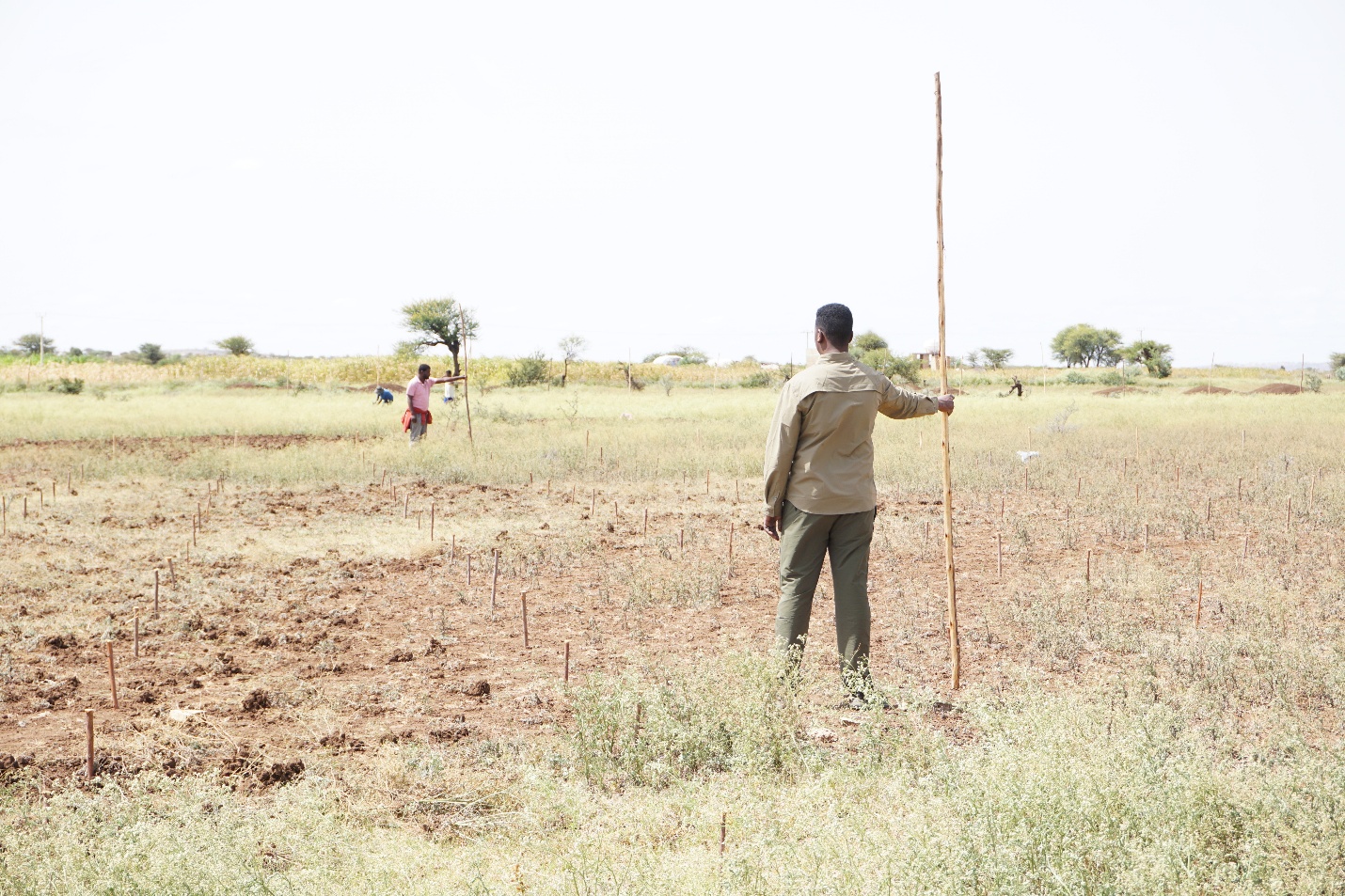
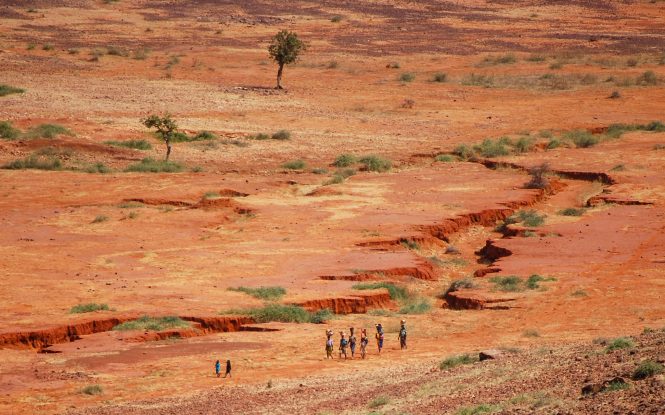
Climate change continues to place pressure on agriculture in Rwanda’s eastern province. Photo by Sarah Ooko / CIFOR-ICRAF.
Building resilience, one practice at a time
To help farmers address these challenges and adapt to these pressures, the Center for International Forestry Research and World Agroforestry (CIFOR-ICRAF) is implementing the African Development Bank Group-funded project, Promoting Climate-Smart Agriculture for Improved Rural Livelihoods and Climate Resiliency in the Climate-Vulnerable Eastern Province of Rwanda.
“This is a unique project that not only focuses on increasing agricultural productivity but also tackles water challenges while improving market value chains and income levels among farmers, to build their resilience to climate change,” says Dr Athanase Mukuralinda, senior scientist and country coordinator of CIFOR-ICRAF in Rwanda.
On the ground, the shift is already visible. “We are implementing climate-smart agricultural practices in rural areas, especially those affected by drought,” says Valens Munyi, the project’s senior field technician. Agroforestry is one of the approaches helping to drive this transformation.
Growing resilience through trees
One of the most impactful approaches promoted by the project is agroforestry, which is the deliberate integration of trees into agricultural systems to improve soil fertility, enhance biodiversity and increase farm productivity.
In Kayonza District, Théogène Kuruyasange has watched his land change dramatically. Once degraded and bare, the steep hillside he farms with his neighbours offered little protection from heat, wind or erosion.“We used to plant maize in rotation with other food crops year after year, but the harvests were poor because the crops would dry up in the intense heat,” says Théogène. Topsoil was washed away, and the land grew weaker each season.“Soil fertility was also declining due to severe erosion caused by wind and rain sweeping across the unprotected slopes,” he says.
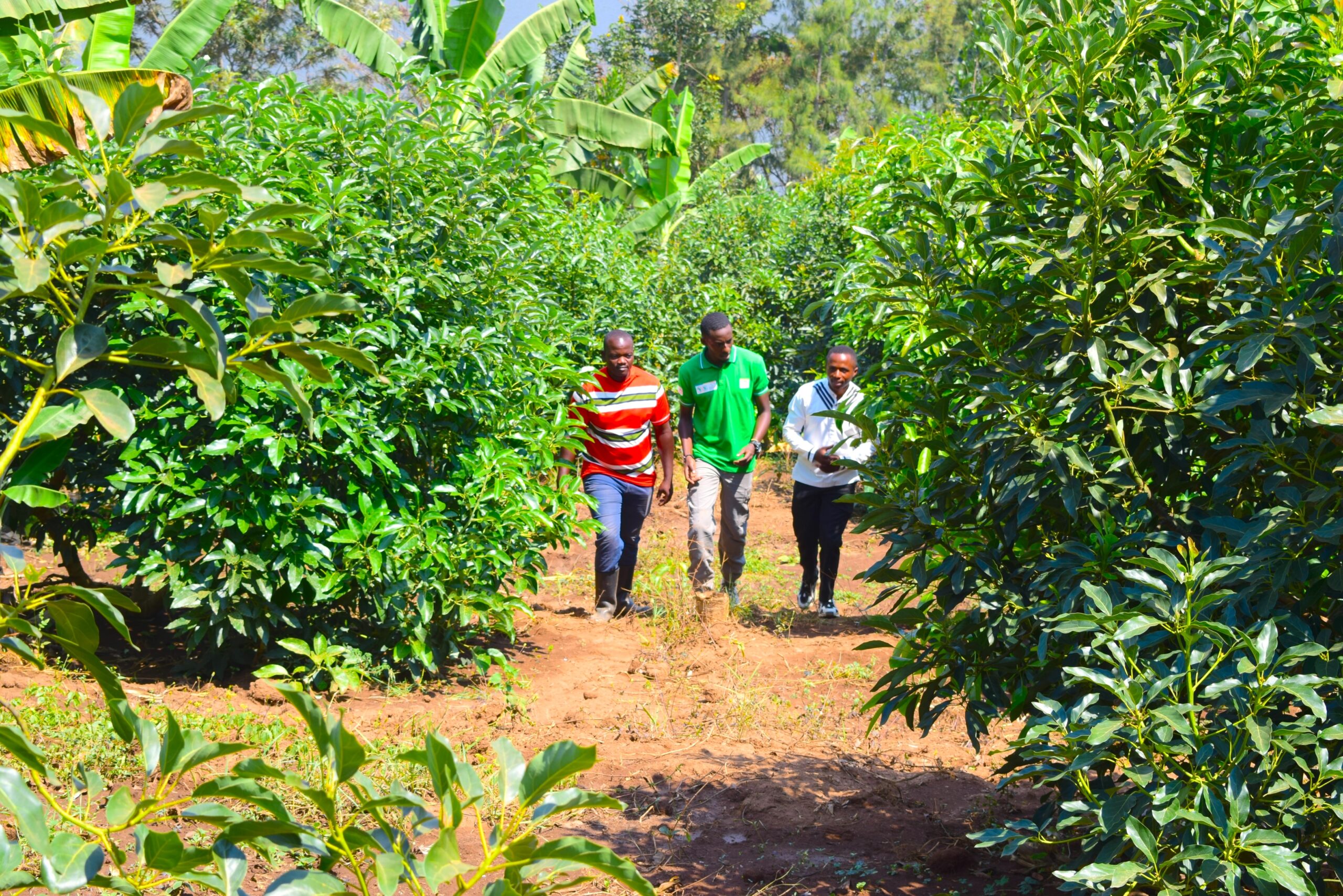
Training from the project introduced Théogène to agroforestry — planting and managing trees deliberately alongside crops to improve soil fertility, stabilise slopes and moderate temperature extremes.“The root systems of trees hold the soil together, preventing soil erosion and increasing soil fertility through fertiliser trees. The shade protects crops from direct sunlight, and the leaves enrich the soil when they fall. The trees also help keep the land cool,” Théogène explains.
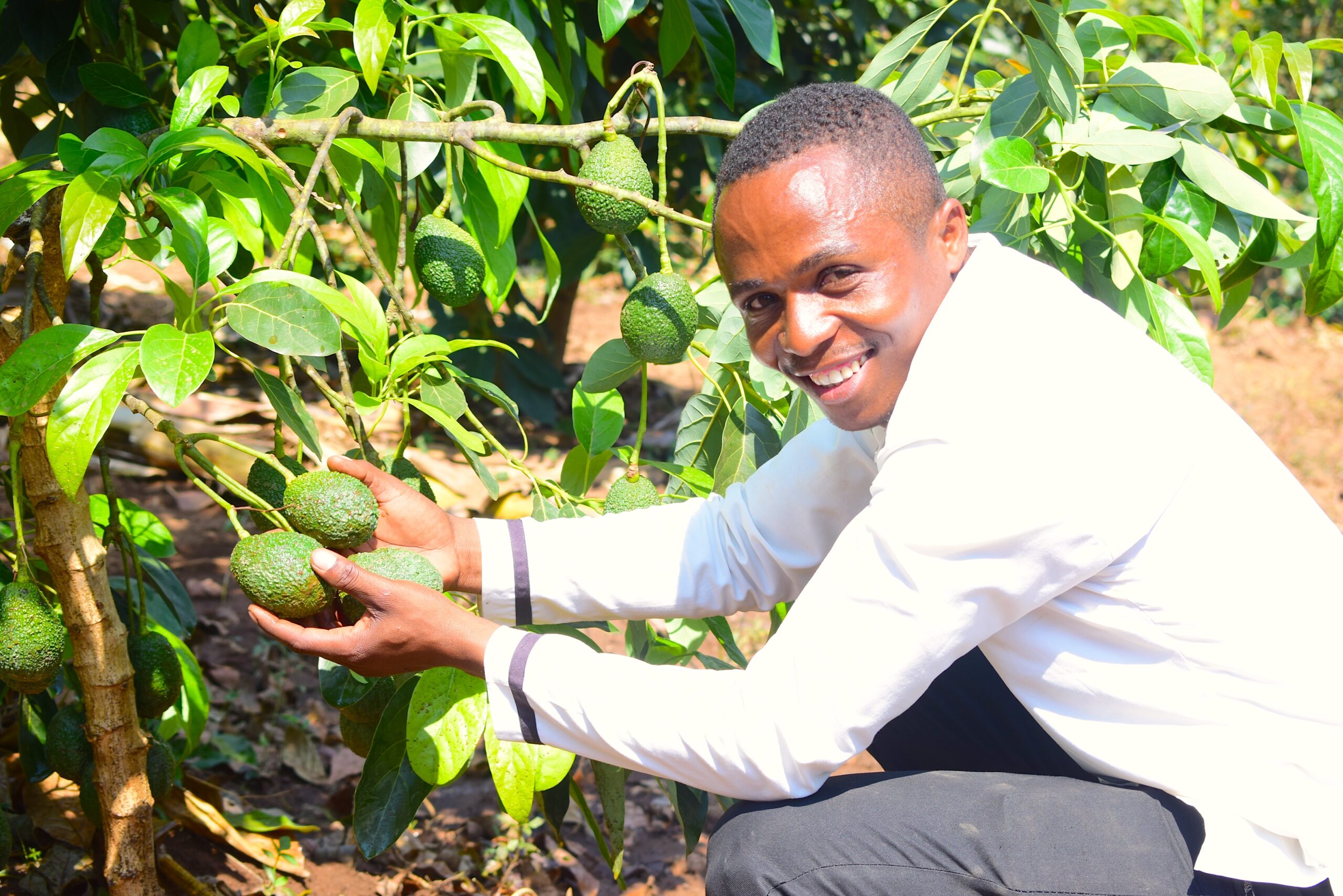
He now grows banana, avocado, and jackfruit trees with Gliricidia sepium, Calliandra calothyrsus, and grevillea for soil enrichment, fodder, timber, and stakes for climbing beans. These tree products have created new revenue streams that buffer his household during drought.
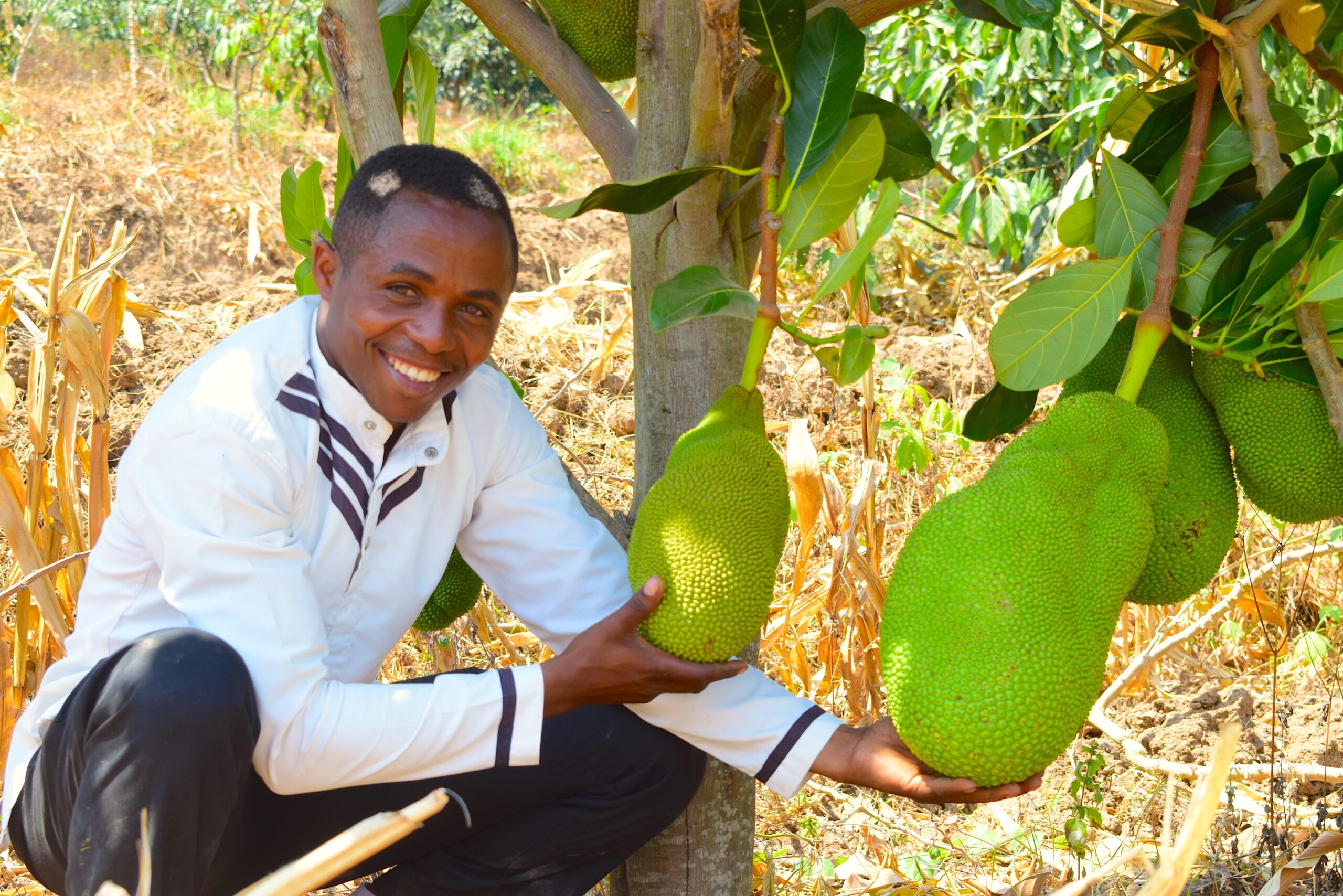
“Now, if my crops do not do well, I still earn something from tree products to meet my family’s needs,” he says with a smile.
Nurturing the next generation of trees
For farmers to reap the full benefits of agroforestry, they must have access to quality tree seedlings. To support this, the project trained community members to establish tree nurseries. These nurseries now supply quality planting material to local farmers, help them access the right tree species for their farms, and generate a steady source of income for nursery operators.
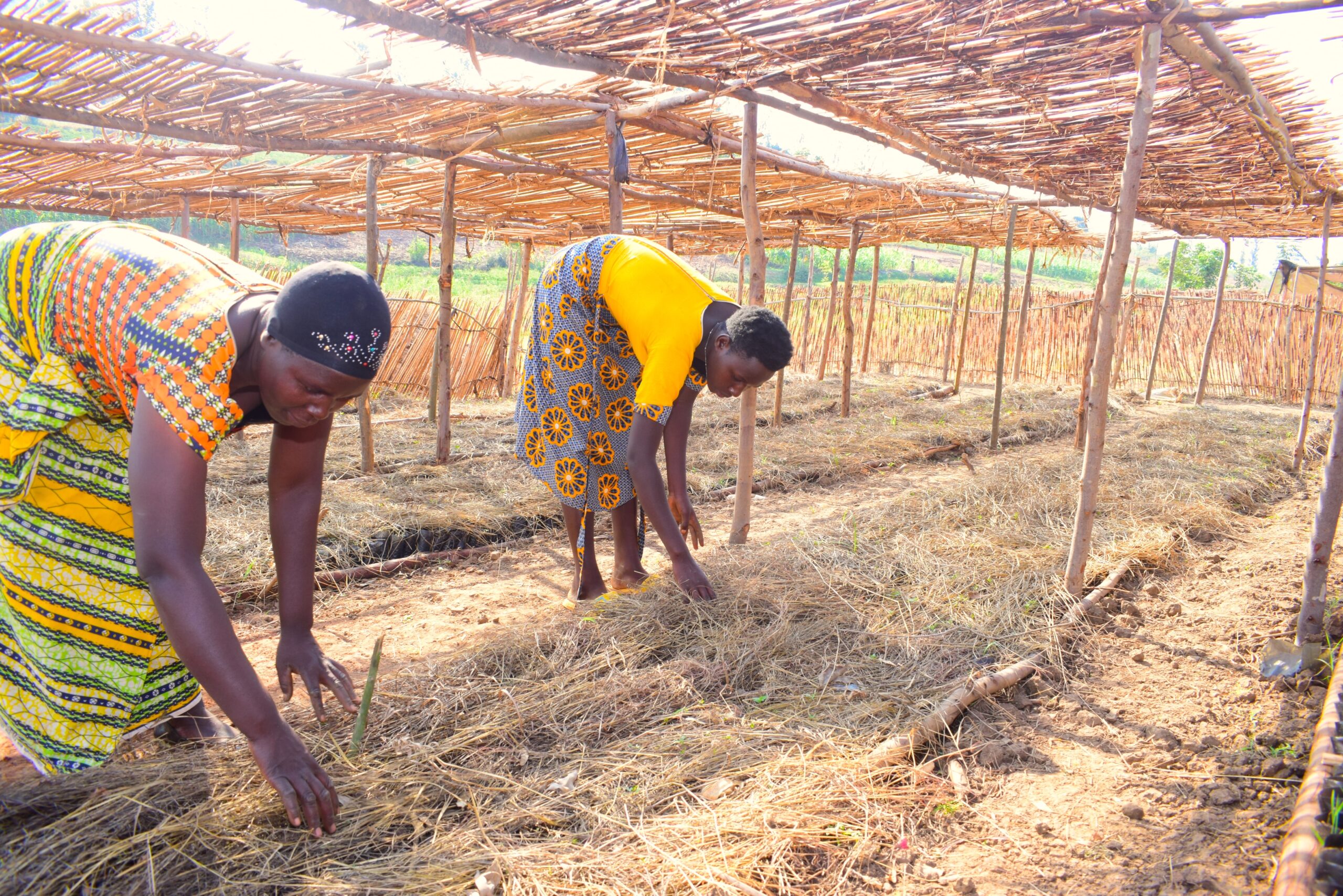
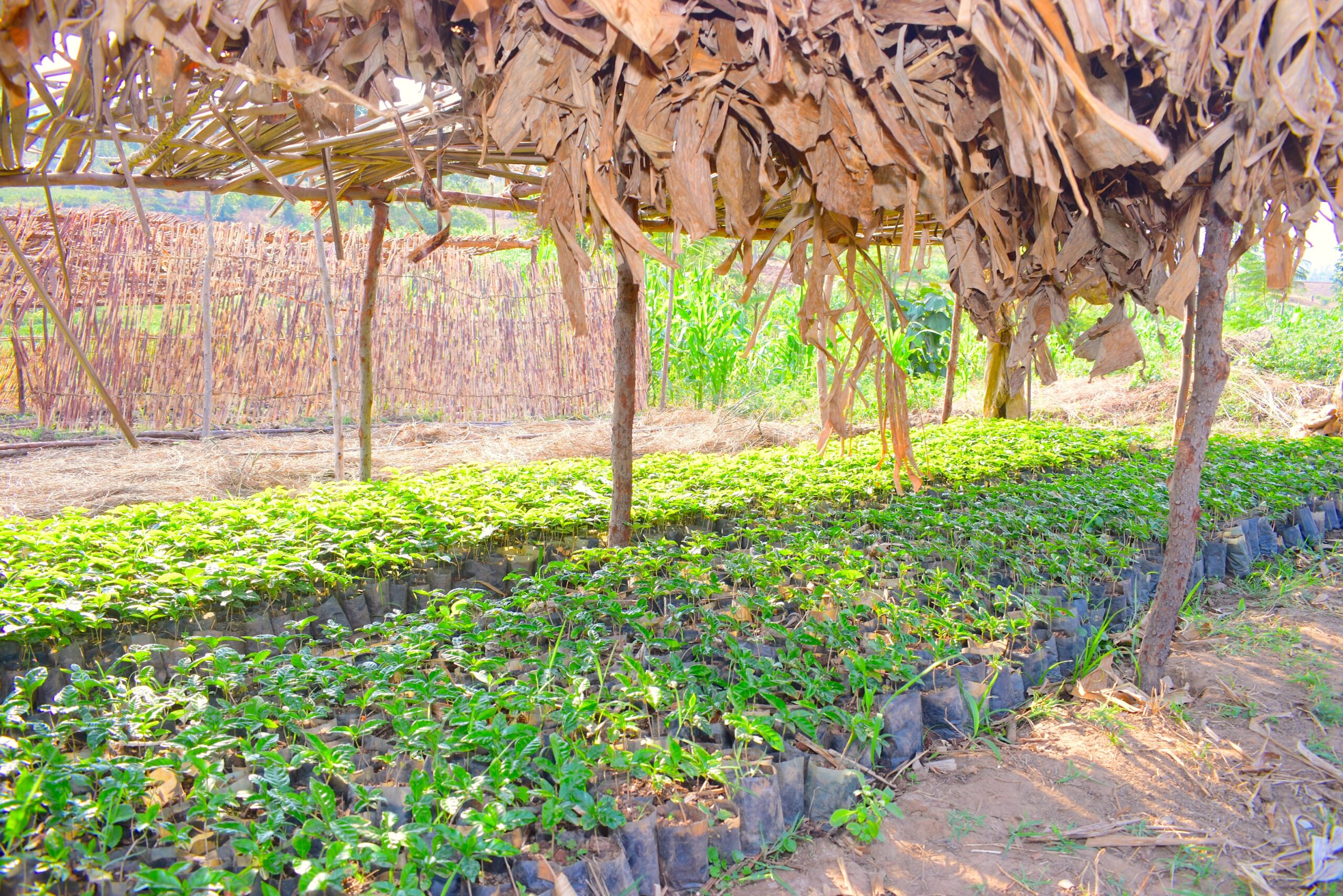
Beyond being hubs for seedling production, nurseries play a crucial role in ensuring that the right trees are grown in the right places. When farmers access high-quality seedlings from well-managed nurseries, they are more likely to achieve better tree survival rates and secure long-term benefits — from improved soil health to enhanced and richer biodiversity.
By contrast, seedlings from poorly managed or unverified nurseries can introduce weak, diseased or non-native species that fail to thrive, waste resources and undermine restoration goals and efforts. Ensuring that communities source seedlings from reliable nurseries is therefore vital to building resilient landscapes and sustainable tree-based value chains.
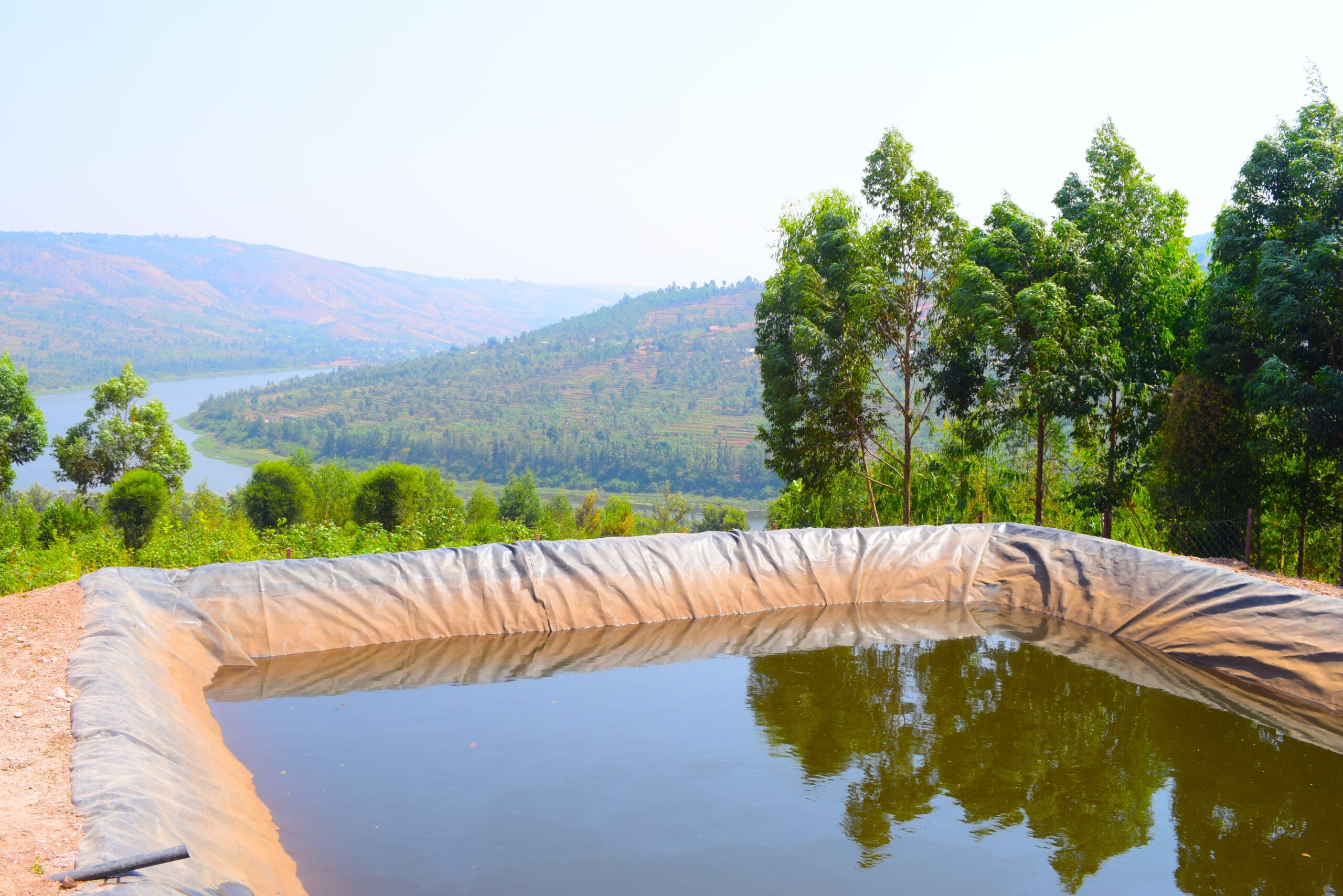
A solar-powered irrigation system supplies water to farms during the dry season in Kayonza District. Photo by Sarah Ooko / CIFOR-ICRAF.
Harnessing the sun for irrigation
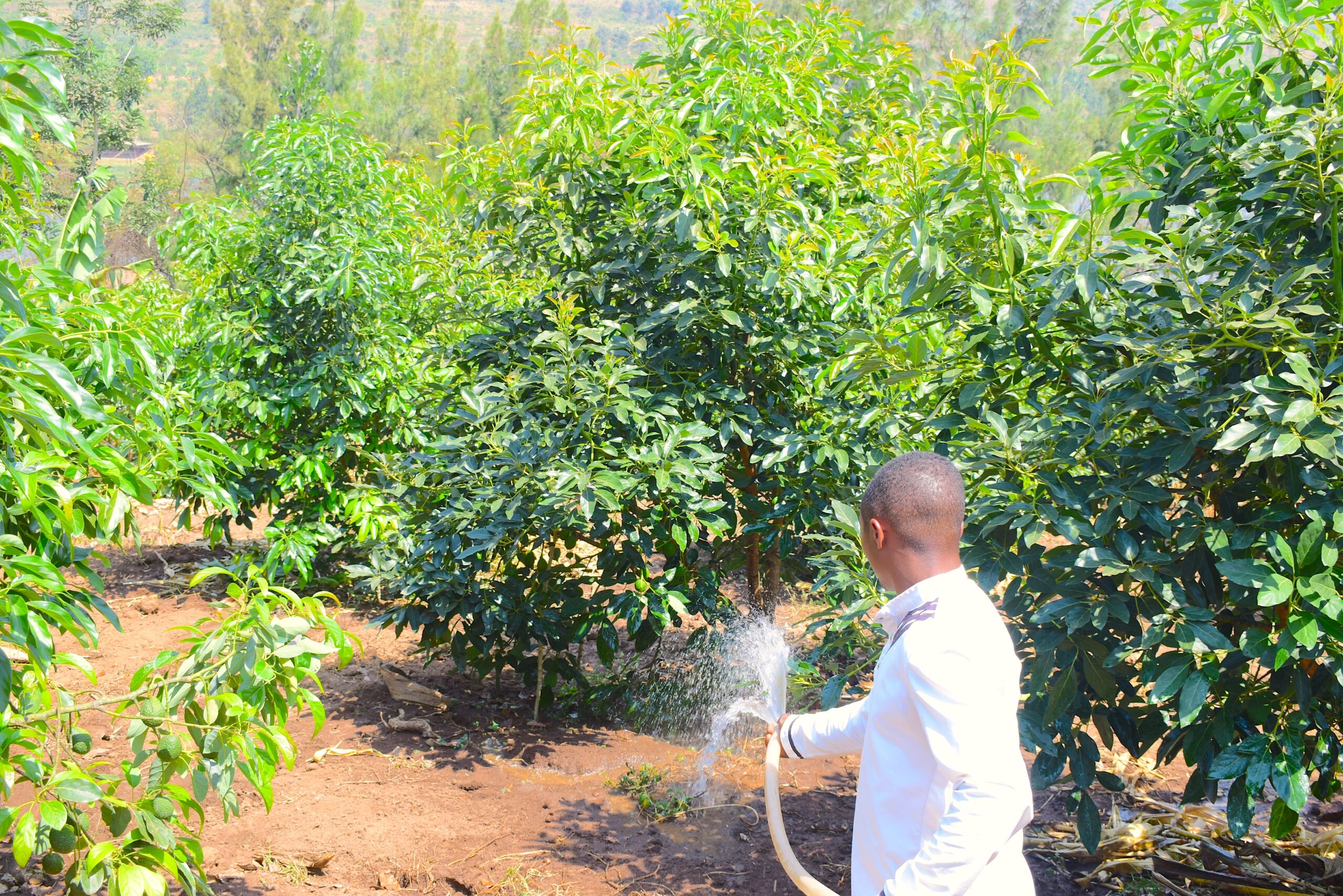
Chronic water shortages in eastern Rwanda have long affected crop production. To reduce dependence on costly diesel pumps, the project introduced solar-powered irrigation systems that use energy from the sun to lift water from local dams.
Previously, farmers relied on diesel pumps that were expensive to run and emitted carbon dioxide, adding financial strain while contributing to climate change. The new solar-powered system offers a cleaner, more affordable alternative.
In Kayonza, solar pumps draw water uphill to holding ponds, which release it downhill through gravity-fed channels. This low-emission system provides steady irrigation during the dry season.
“I am glad we are now using clean energy,” says Théogène. “I used to think the sun was only harmful because it dried up our crops, but the solar-powered irrigation system has shown me that the sun can also be our friend.”
Healthy soils, thriving farms
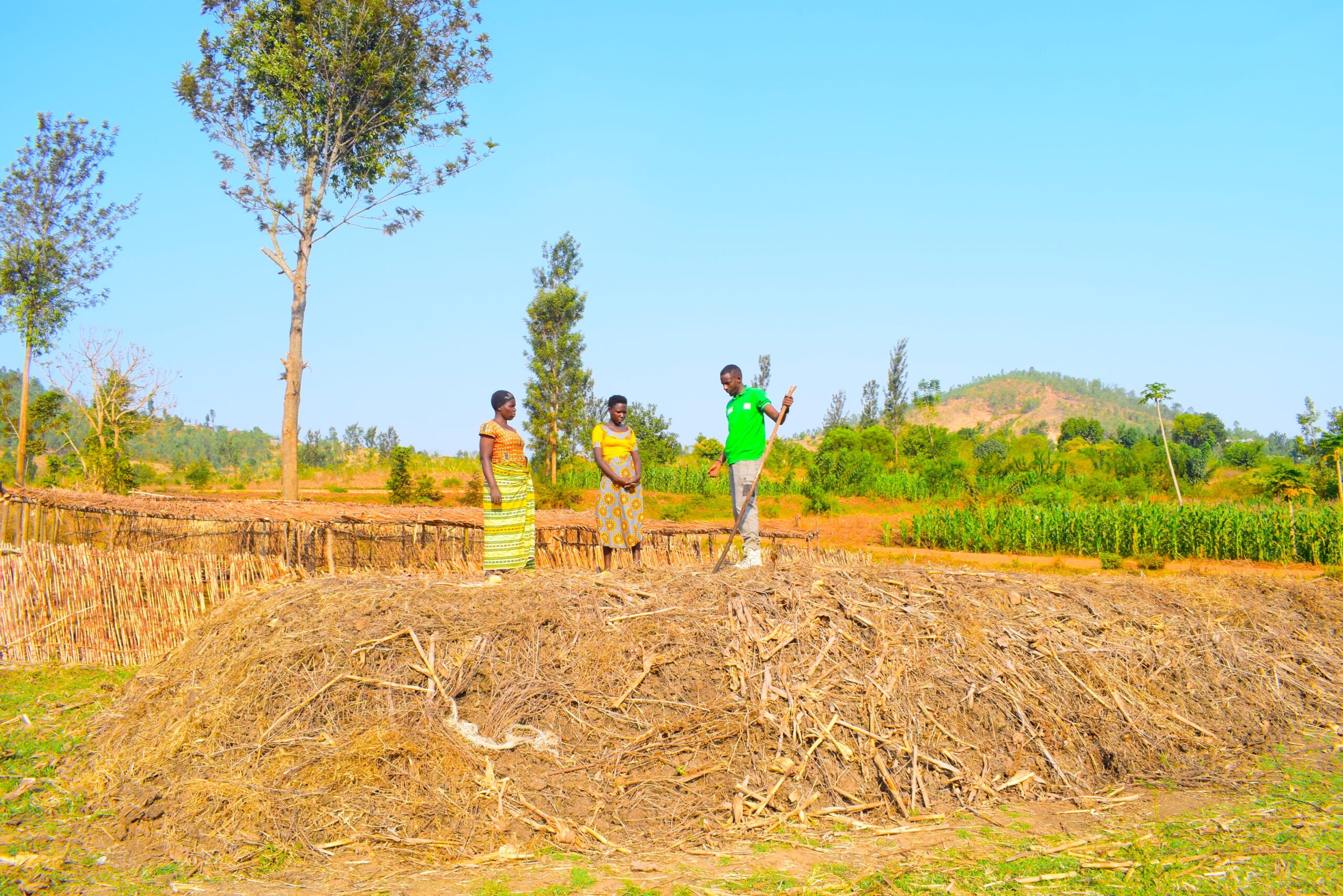
The project also promotes soil restoration techniques such as composting, mulching and improved land preparation. Farmers have learned to turn household and farm waste — fruit peels, pruned shrubs, animal droppings and grass clippings — into compost.
“I used to spend a lot of money buying fertiliser, but now I make my own compost,” says Nema Niyonshuti, one of the trained farmers. “The soil is more fertile, and my crops are doing better.”
These practices help retain moisture, reduce erosion and stabilise yields, especially during prolonged dry spells.
Seeds of hope
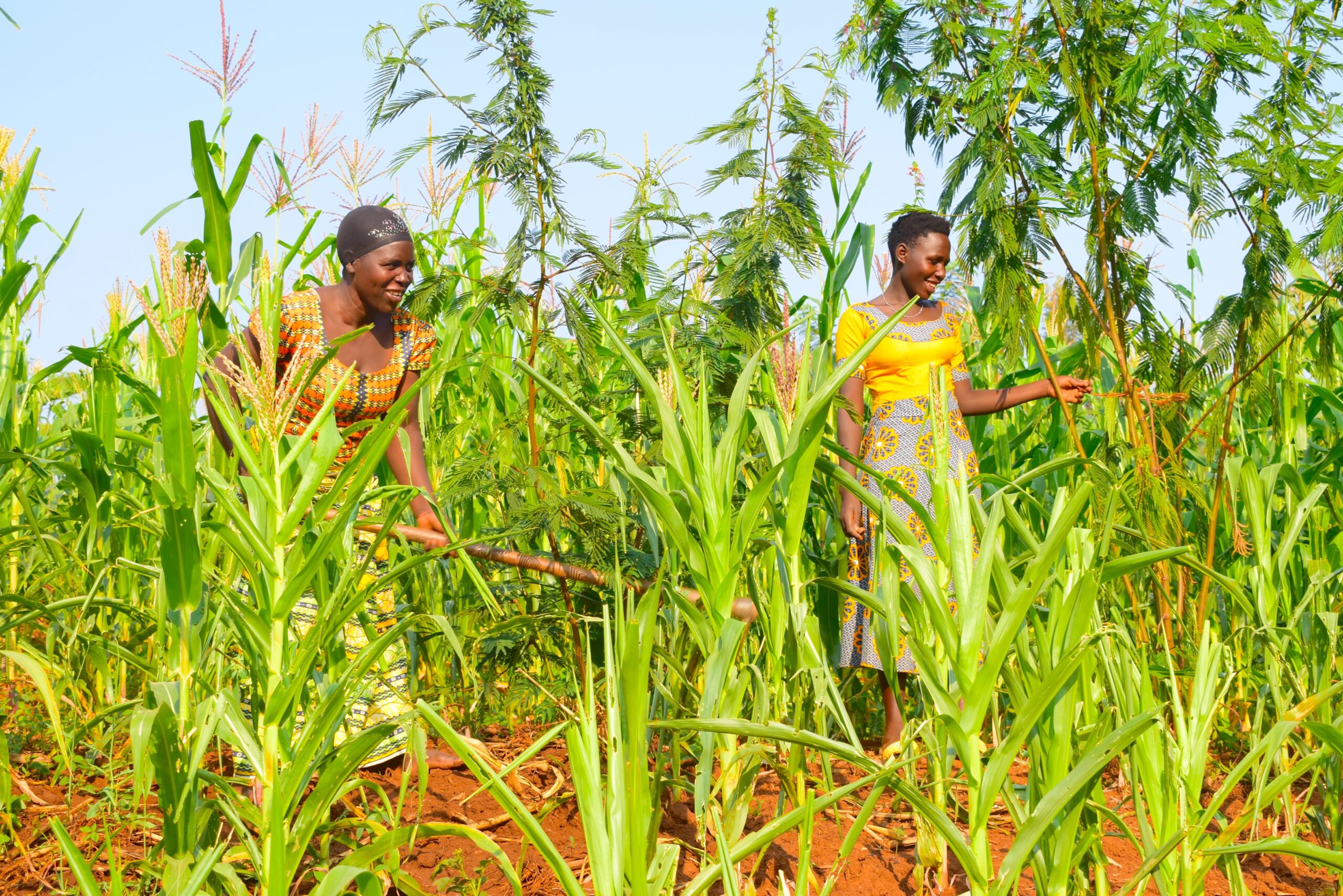
Crop diversity is another critical defence against climate stress. In the Eastern Province, farmers received drought-tolerant varieties of maize, beans, cassava and sweet potatoes, as well as fruit trees such as avocado, banana and citrus that thrive in semi-arid conditions.
“The diversity of drought-tolerant crops we now grow has increased both our harvests and the nutrition of our families,” says Sarah Uwineza. “Even when one crop fails, we still have another to rely on.”
A market that works for farmers
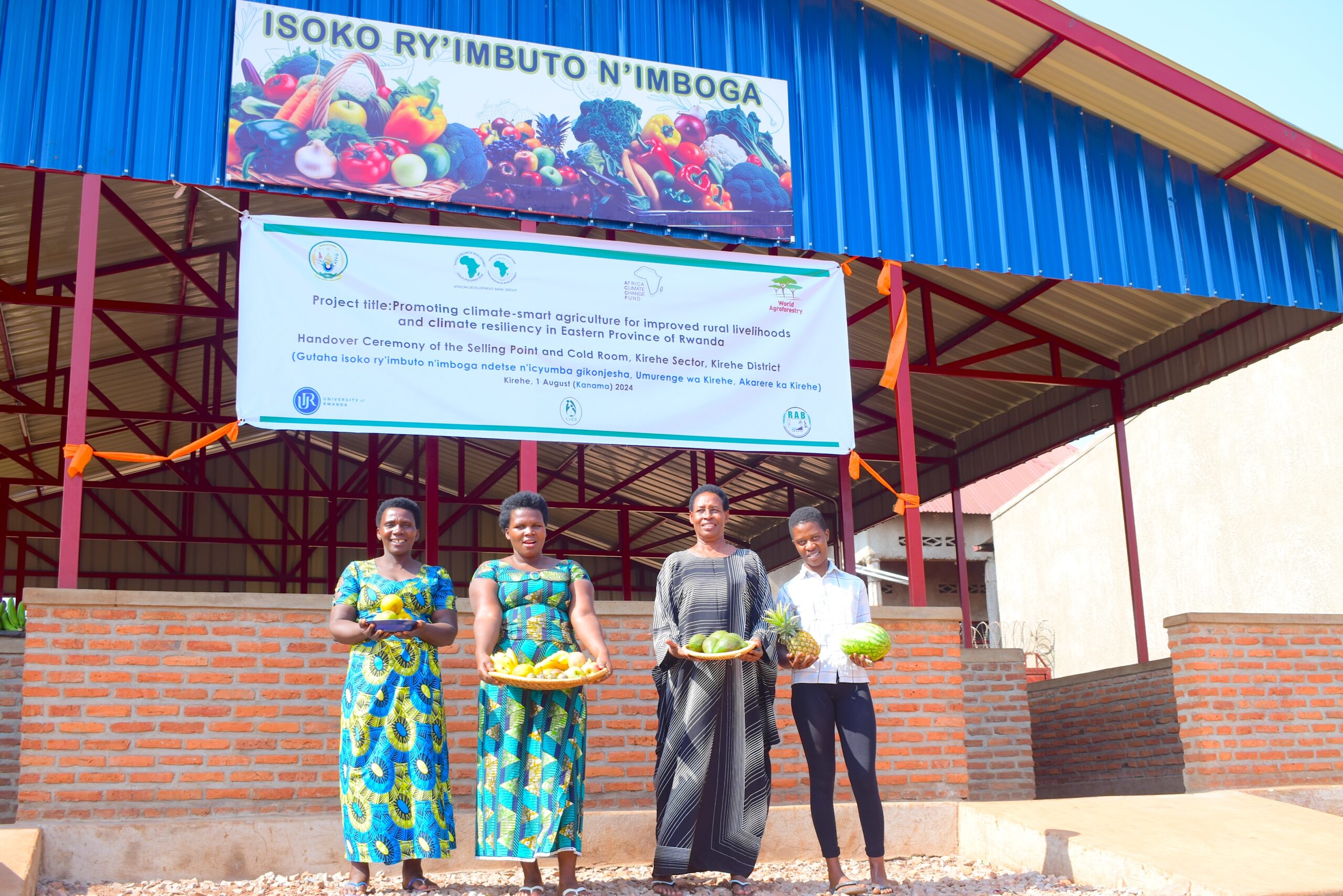
To help farmers earn fair returns for their efforts, the project supported the construction of a modern market stall equipped with cold storage facilities — an essential facility in a hot, dry region. The market, strategically located near a busy town centre, has become a hub for local trade.
“Previously, the hot sun would spoil our fruits before we could sell them,” says Péris Mushimiyimana, a fruit tree farmer. “Now we are under a roof that protects both us and the fruits. Whatever we do not sell in a day, we store in the cold room. It helps us avoid losses and get better prices.”
Transforming lives in a changing climate
Across eastern Rwanda, farms that once struggled with drought are becoming more productive and resilient. Tree cover is returning, soils are richer, crops survive longer dry periods and farmers have new income streams.
“Our land is green again,” Théogène says proudly. “We have trees, fruits and crops. We have enough food, and we earn more income. Life has changed.”
Through such climate-smart innovations, agroforestry, solar irrigation, soil restoration and crop diversification, farmers and communities in Rwanda’s Eastern province are no longer just coping with climate change — they are thriving in spite of it.