
REDD+
-
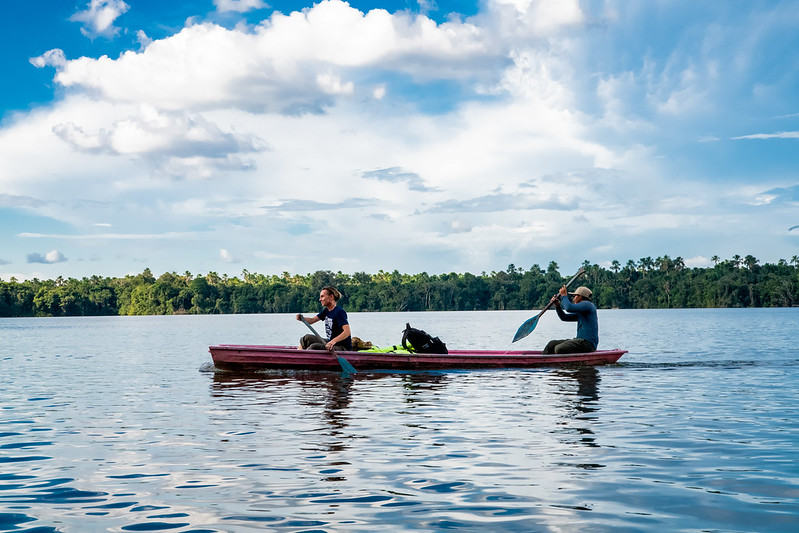
Modeling future deforestation in Peru
Planners in Peru can model different scenarios for deforestation, greenhouse gas emissions and carbon credits using a new tool developed…
4 min read -
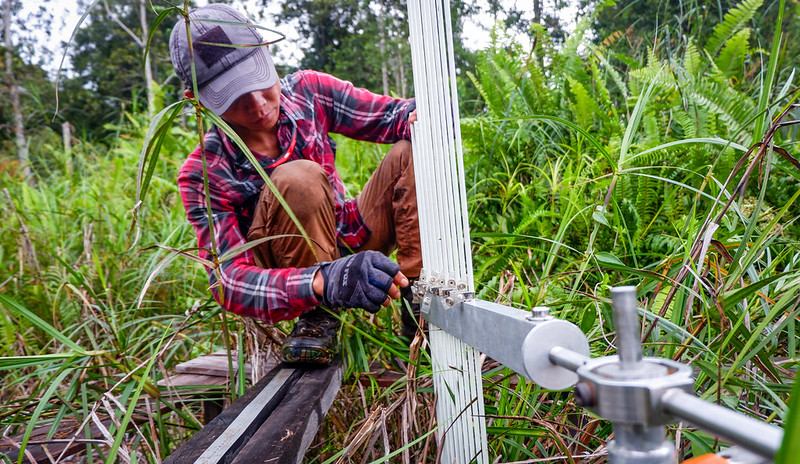
To speed up climate action, get serious about transparency, say experts
As the international community races to limit global warming to 1.5°C, countries must get serious about monitoring and reporting accurately…
6 min read -
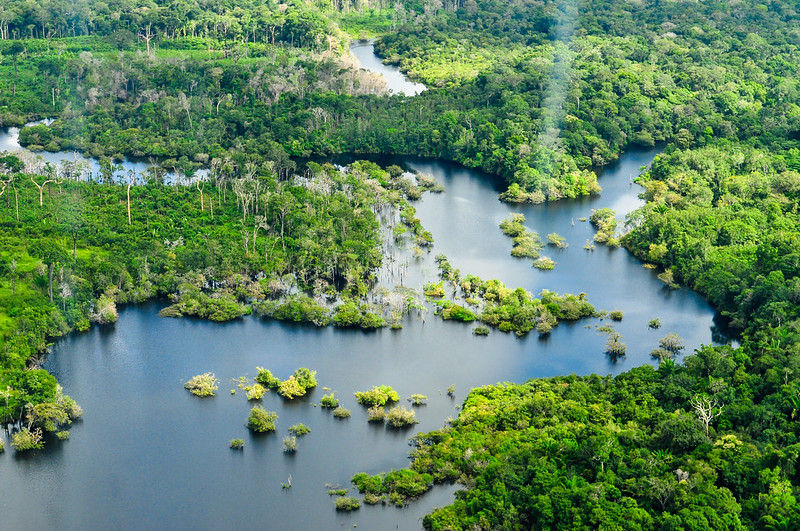
What happens after conservation payments stop?
Conservation payments, commonly known as Payments for Environmental Services (PES), are a popular tool to reduce deforestation and conserve forests…
3 min read -
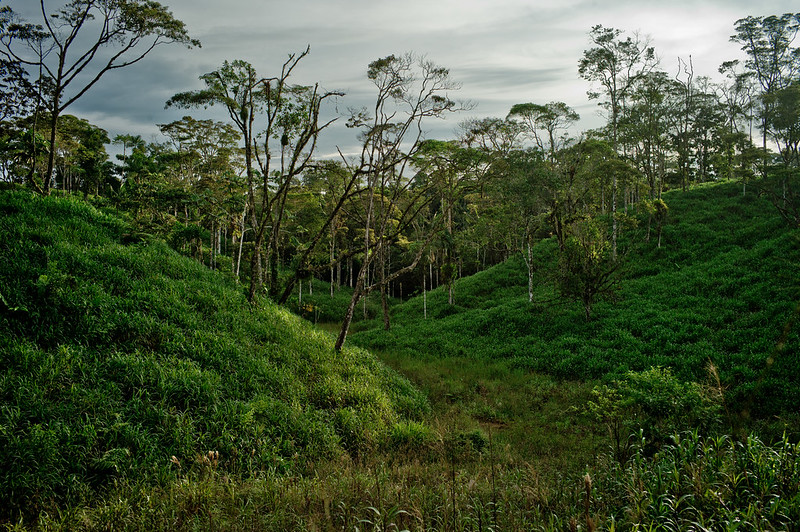
Carbon credits from forest conservation exaggerate impact of ill-targeted REDD+ projects
Carbon credits from forest conservation have been seen as a promising tool to help mitigate climate change by reducing greenhouse…
5 min read -
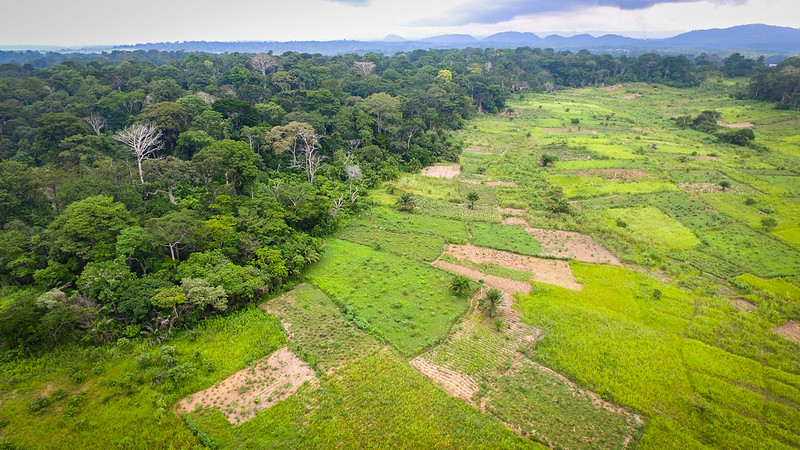
Visiting Lecture: Taking local context into account in REDD+ policy implementation
In the last two decades, annual tropical forest cover loss around the world has increased despite numerous efforts to counter…
5 min read -
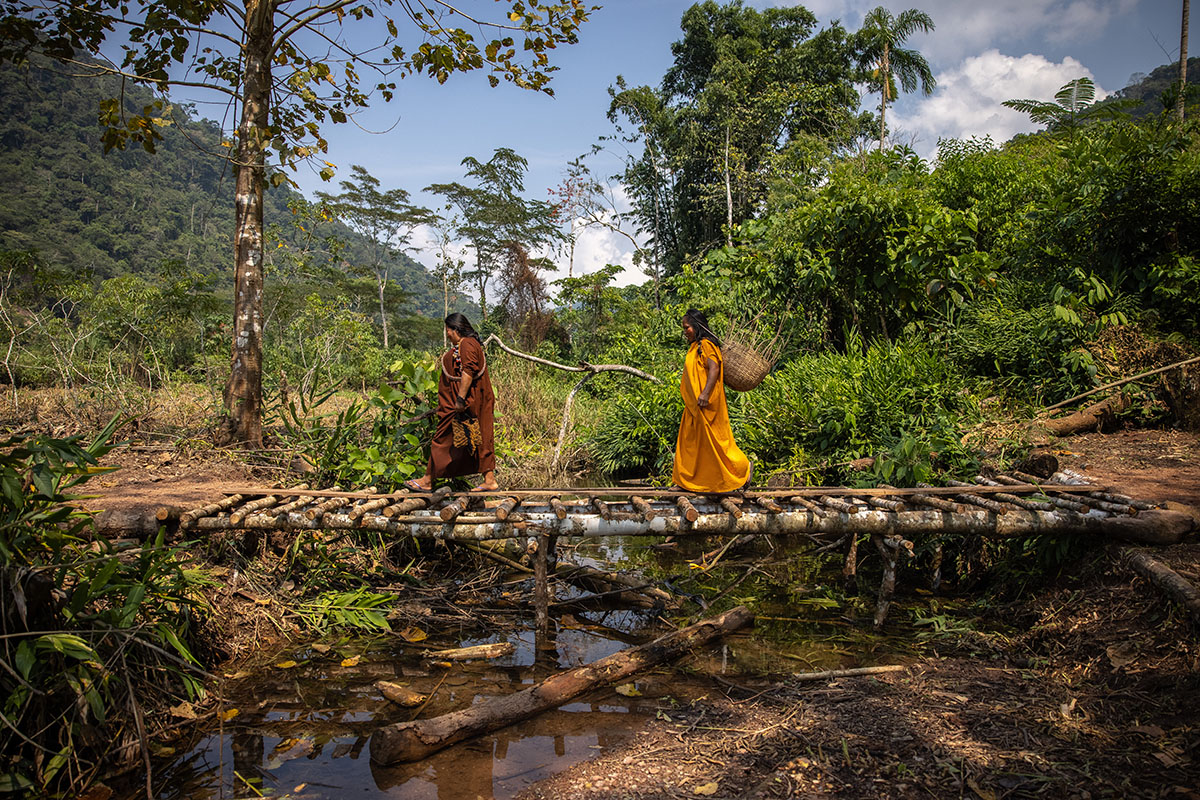
Are REDD+ safeguards supporting community land, resource, and carbon rights?
There is growing evidence of the critical role that Indigenous Peoples (IPs) and local communities (LCs) play in the effective…
6 min read -
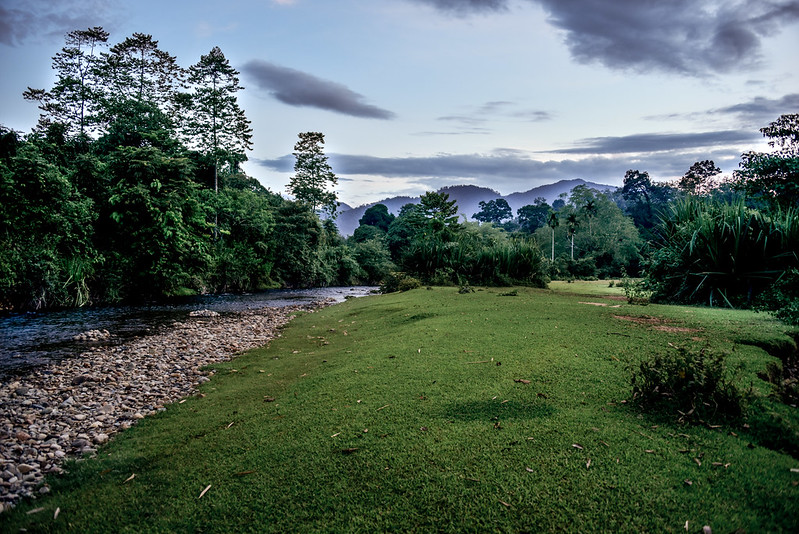
From ‘do no harm’ to ‘do better’: Early lessons from implementing REDD+ safeguards in Indonesia
Indonesia, a REDD+ ‘early mover’, is implementing two results-based payments programmes in the provinces of East Kalimantan and Jambi. The…
5 min read -

New accounting methods could rebuild confidence in forest carbon markets
Forest carbon markets have a vital role to play in helping fund greenhouse gas (GHG) emission reductions in order to…
7 min read -
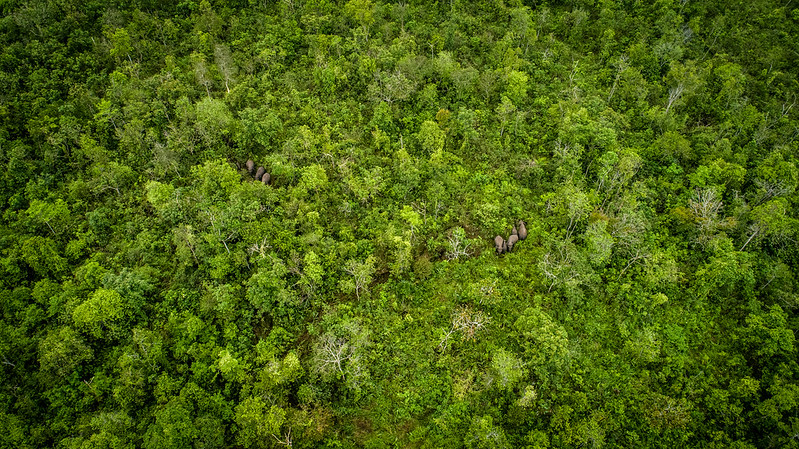
Addressing expanding concerns over forest carbon credits key to mitigation success
Amid growing investor interest in forest-based climate mitigation, including forest carbon credits and benefits through reducing greenhouse gas emissions from…
5 min read -
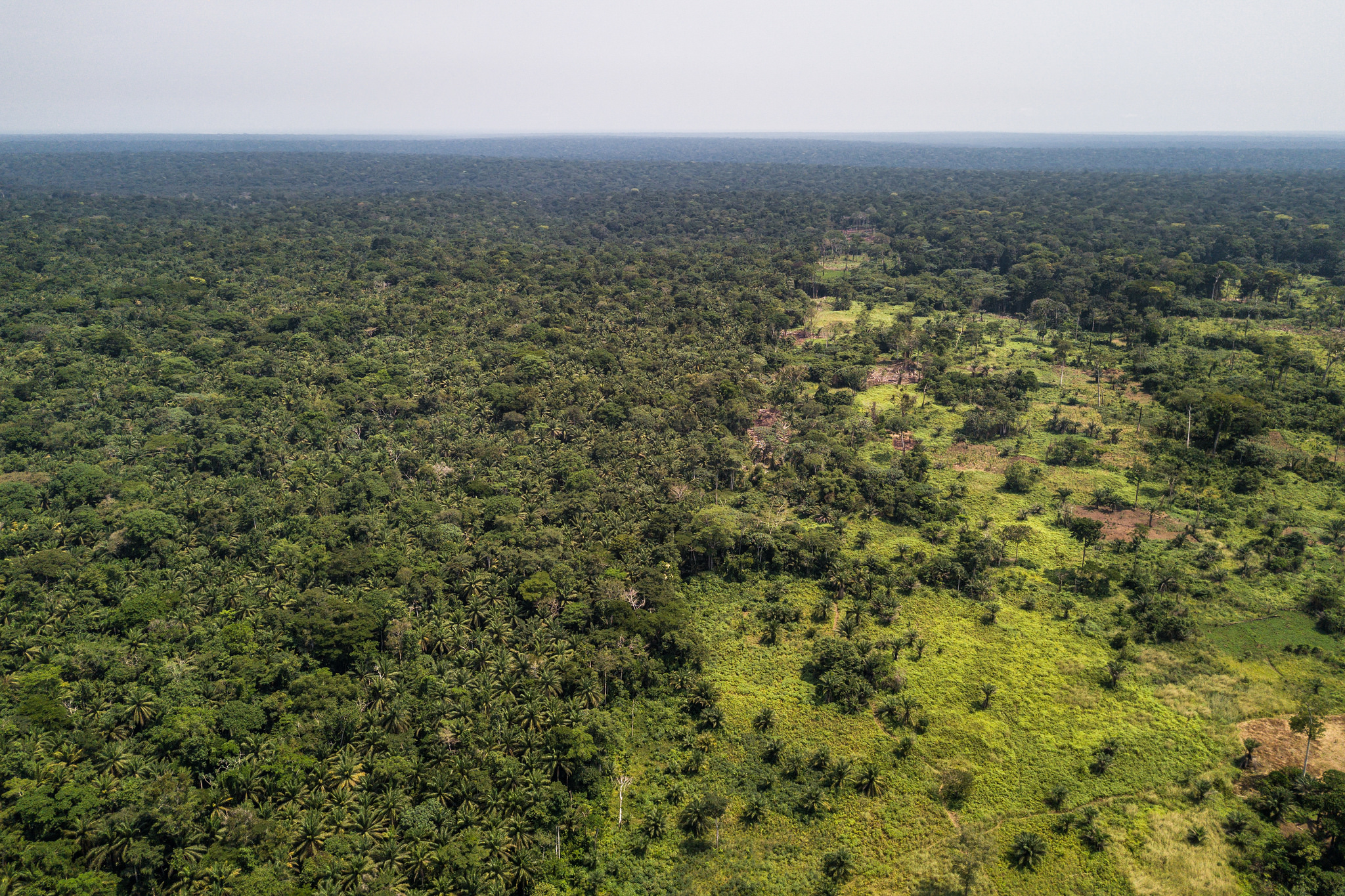
Scientists and policymakers join forces in the fight against DRC deforestation
The climate crisis is a critical issue in the Democratic Republic of the Congo (DRC). The country hosts more than…
5 min read -
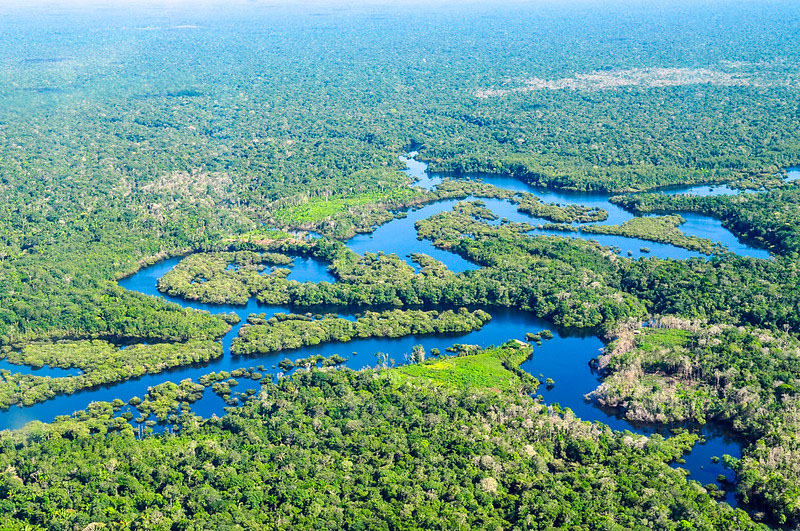
Following the REDD+ money
As South America’s most heavily forested country, Brazil has also received the largest amount of funding in the region for…
9 min read -
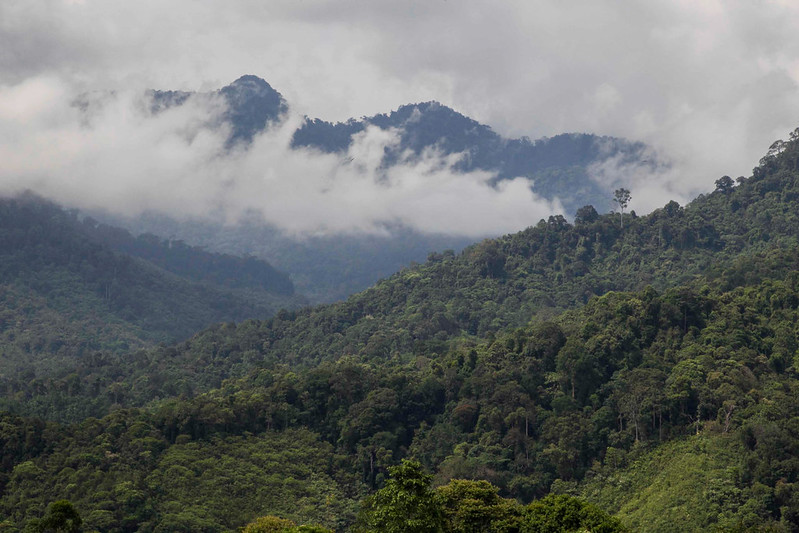
Local context essential in work to continue reductions in deforestation in Indonesia
Continued reduction in deforestation in Indonesia, which would help to fight climate change, will require a consistent mix of policy…
7 min read -
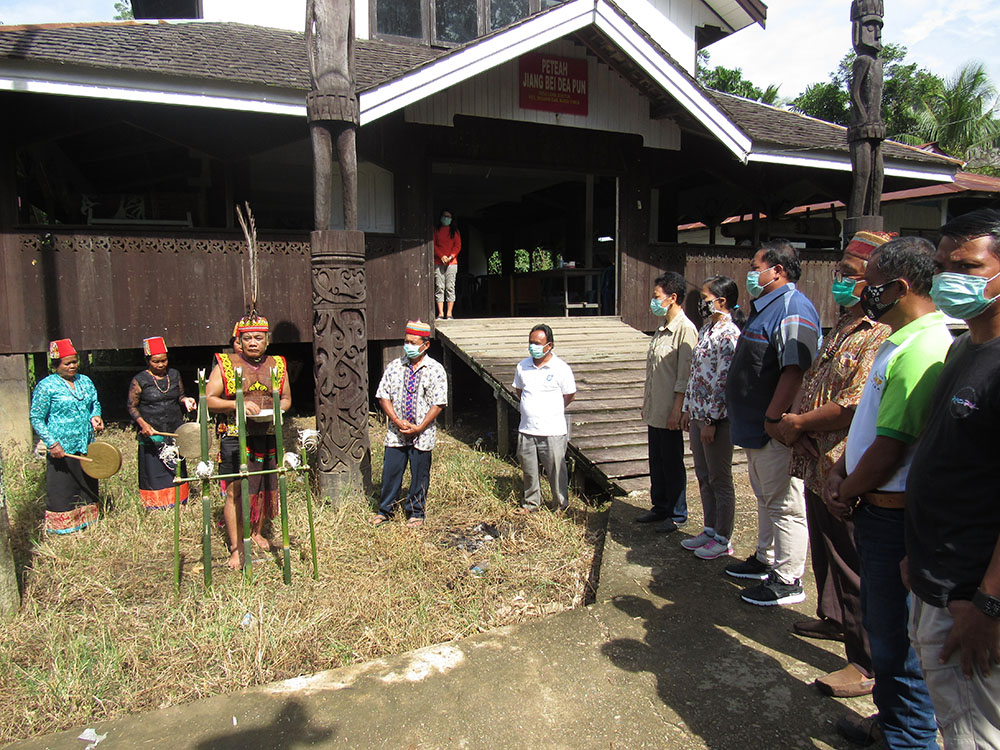
How are local and Indigenous rights safeguarded in the context of REDD+ in Indonesia?
Safeguarding the rights of Indigenous Peoples and local communities (IPs and LCs) has been emphasized as part of reducing emissions…
7 min read -
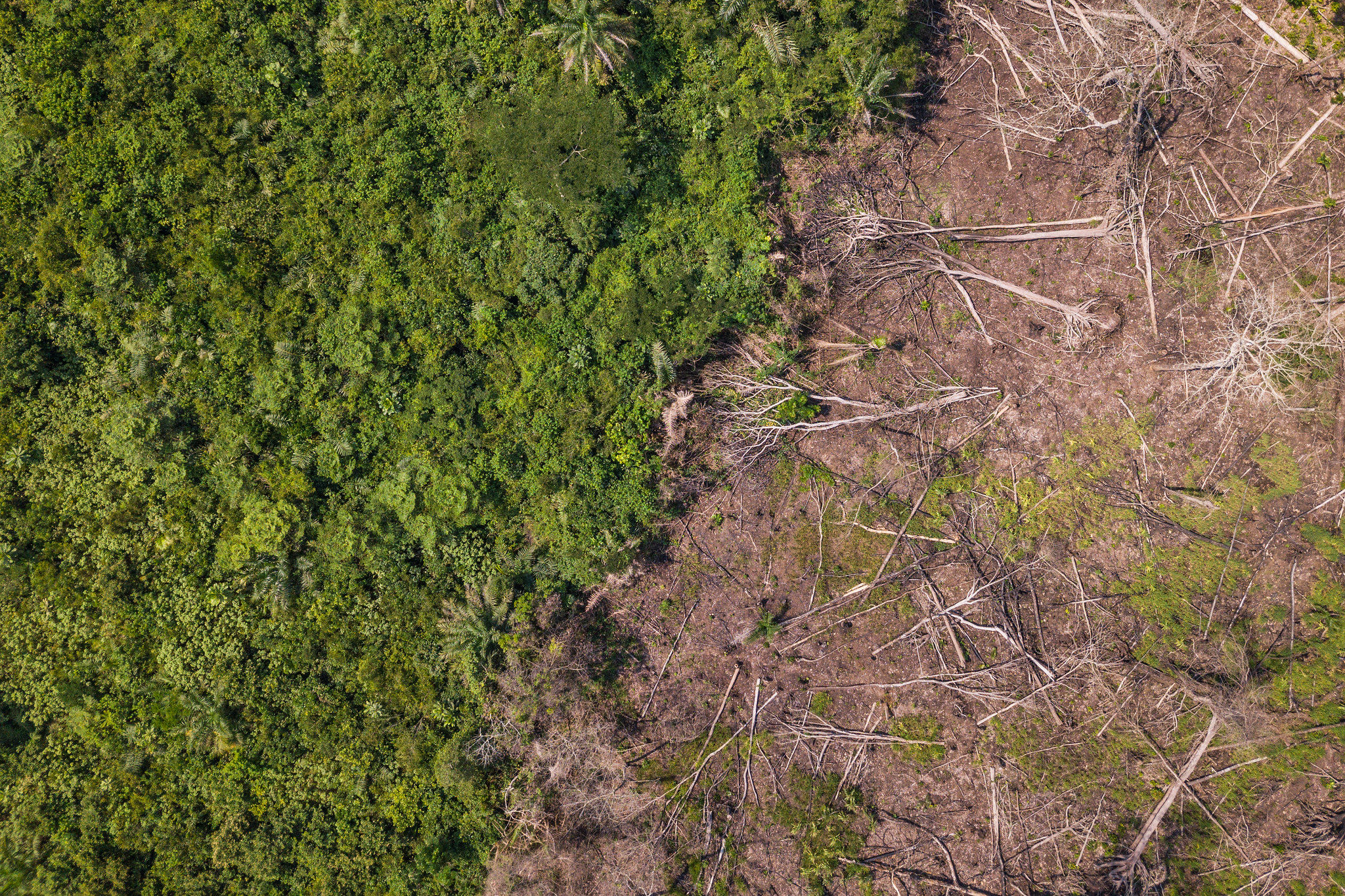
Why context is critical when it comes to deforestation
When choosing how to reduce deforestation, decision makers face a wide set of policy options: do we increase enforcement and…
5 min read -
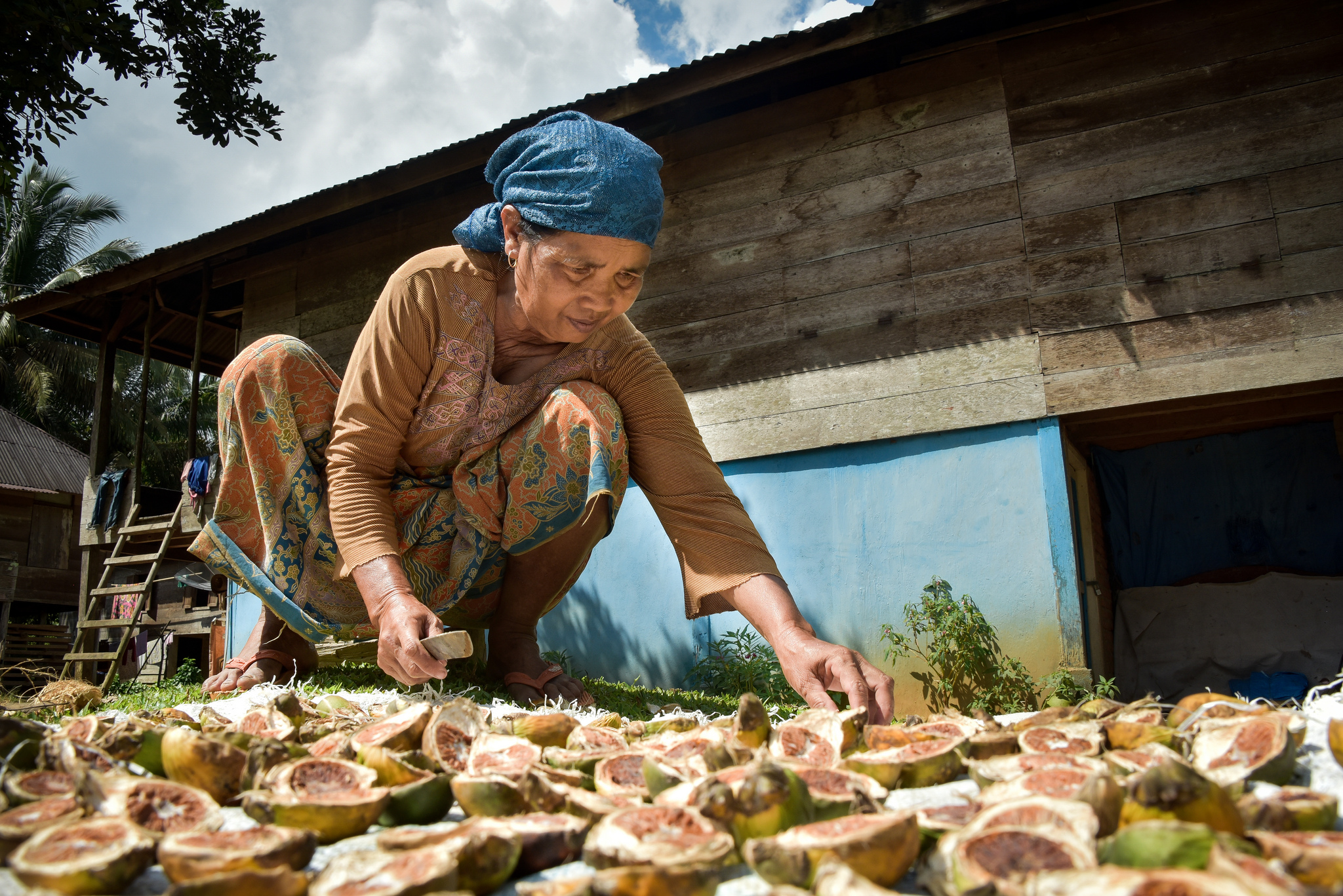
Community rights and REDD+ in Indonesia
This blog presents preliminary findings of our research on REDD+ safeguards in Jambi Province, Indonesia; results were presented and validated…
6 min read