

REDD+
-
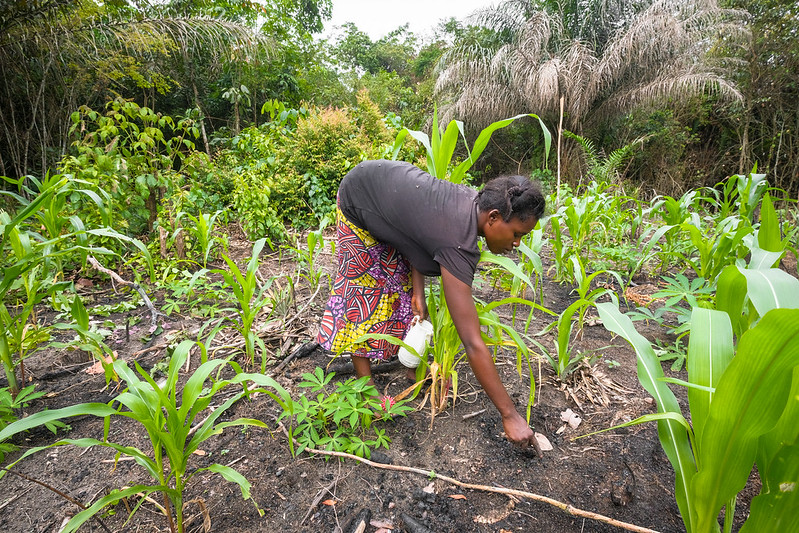
Agriculture-linked deforestation topmost driver of emissions in Central Africa – Report
As the world races to mitigate global warming, agricultural expansion generally characterized by the practice of slash and burn has…
5 min read -
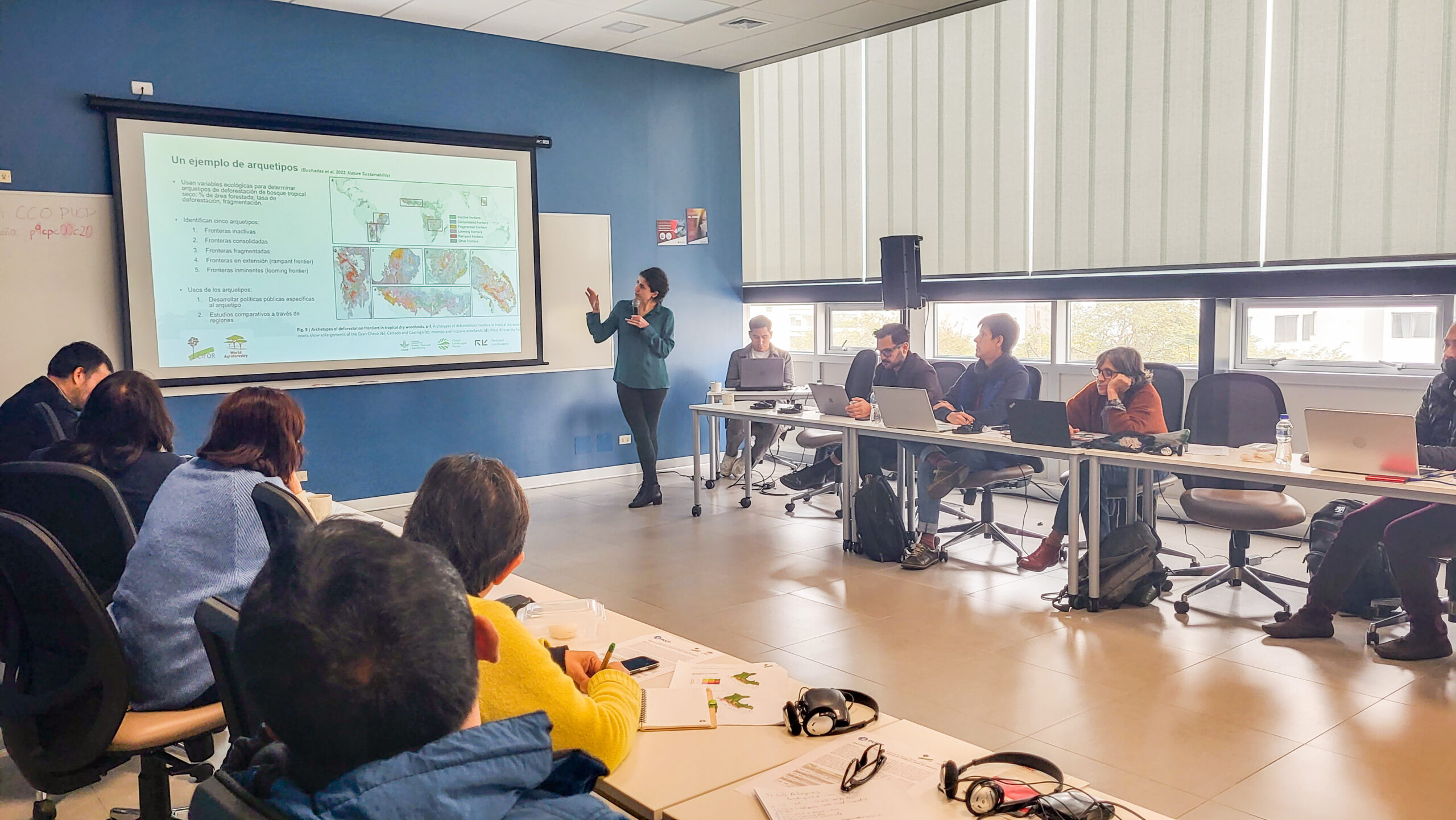
Bringing science to public policy on REDD+
Government officials who make public policy increasingly seek to base their decisions on scientific evidence — but the information they…
7 min read -

Imagining REDD+ under Indonesia’s ‘Job Creation Law’
An emerging ‘Job Creation Law’ in Indonesia seeks to reduce unemployment and boost GDP by deregulating investments and encouraging entrepreneurialism.…
4 min read -
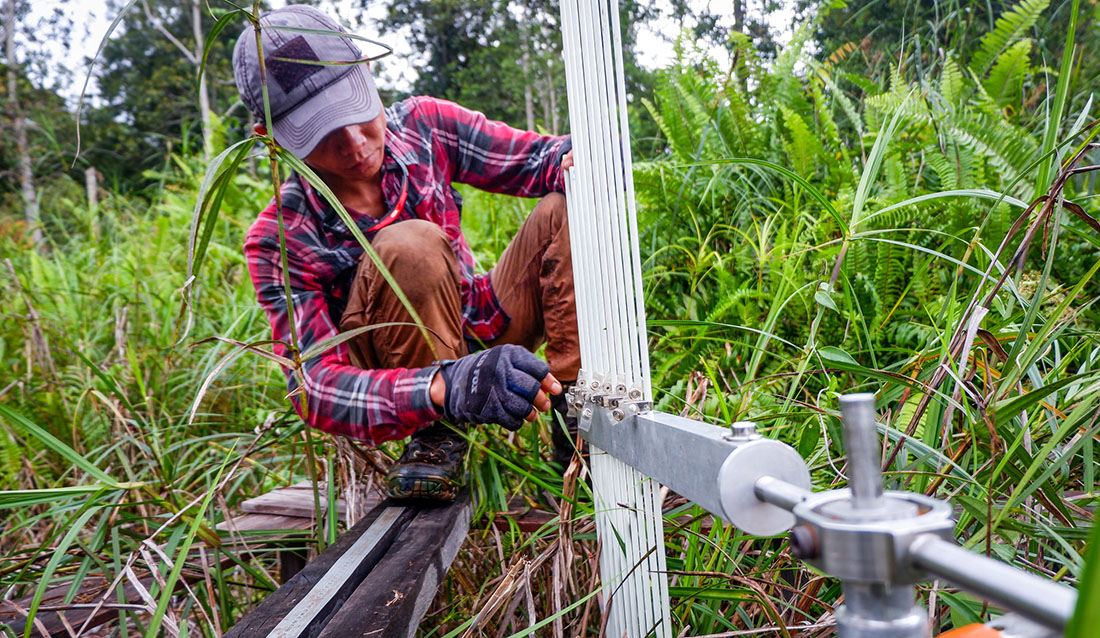
Sharing REDD+ benefits to meet Indonesia’s climate targets
The Indonesian government is committed to transforming its forest and land use (FoLU) sectors to become a net carbon sink…
6 min read -

Doing better than ‘Do no harm’
The climate crisis is leading to greater interest from countries and companies in forest-based solutions, such as the framework for…
5 min read -
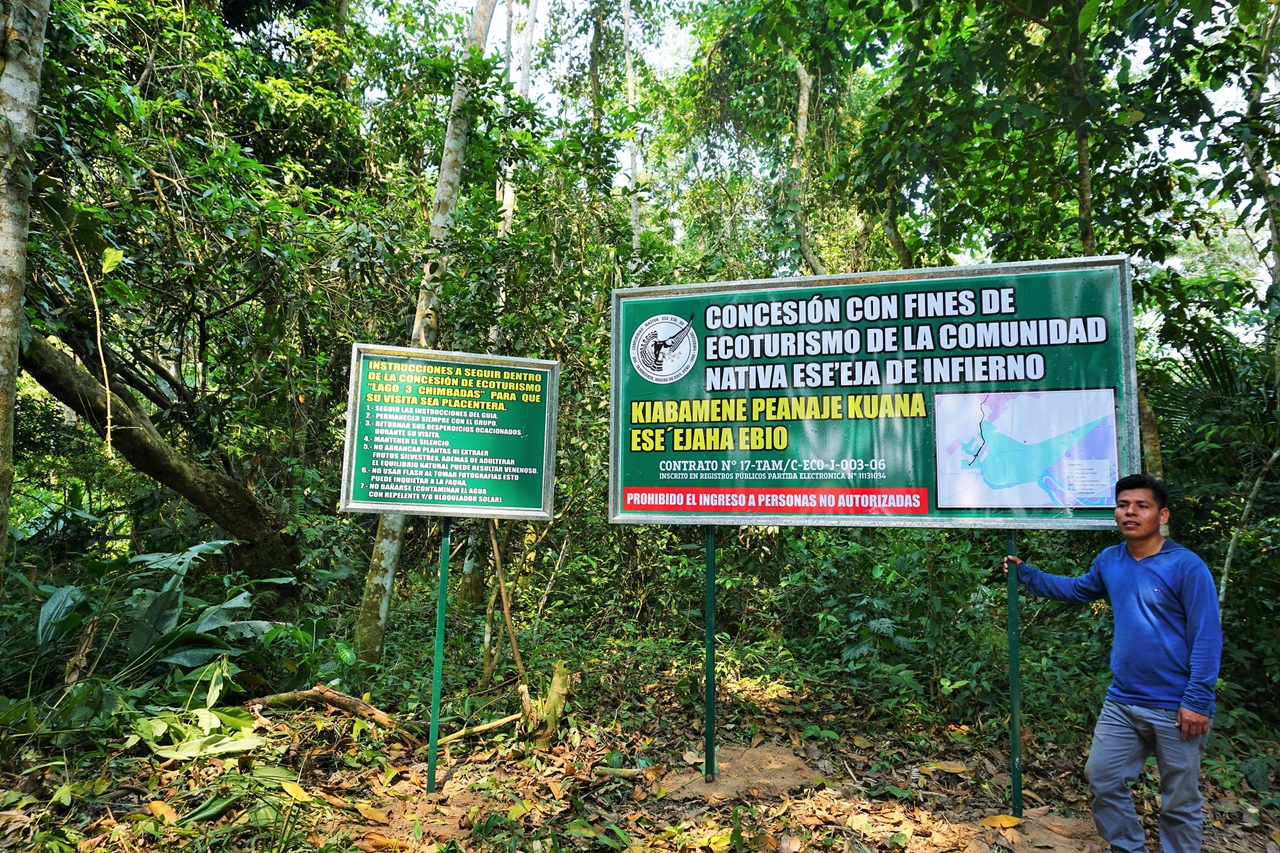
REDD+ lessons from Peru
In our Infobrief, Lessons from early REDD+ initiatives to inform effective and equitable carbon mitigation efforts in Peru, we summarised…
3 min read -
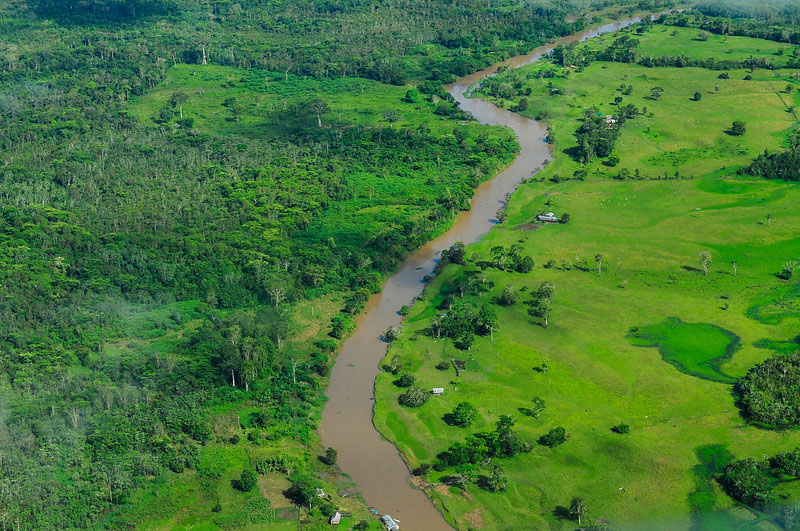
Collective payments for ecosystem services: a promising policy tool to reduce deforestation?
Payments for Ecosystem Services (PES) programmes are often used as a tool to reduce deforestation and forest degradation in tropical…
5 min read -
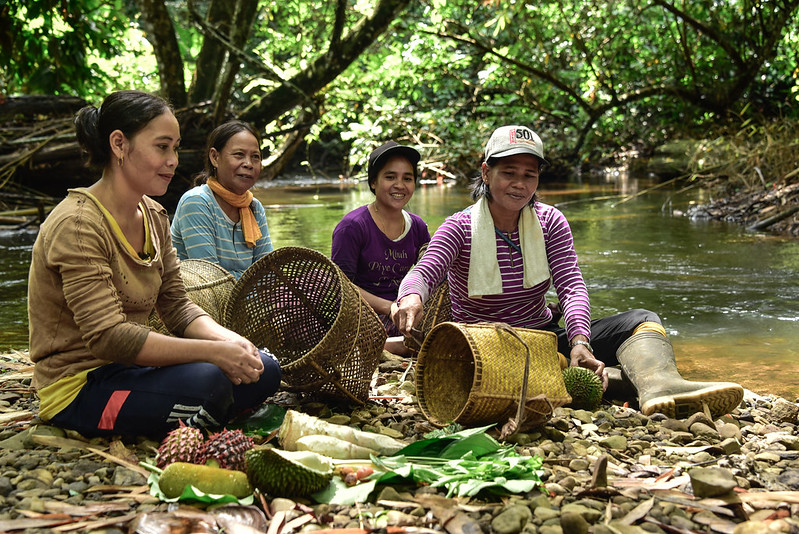
New book details best approaches to Adaptive Collaborative Management in forests
The triskelion is an ancient symbol, often represented by three spirals. Its triadic form holds various meanings for the different…
7 min read -
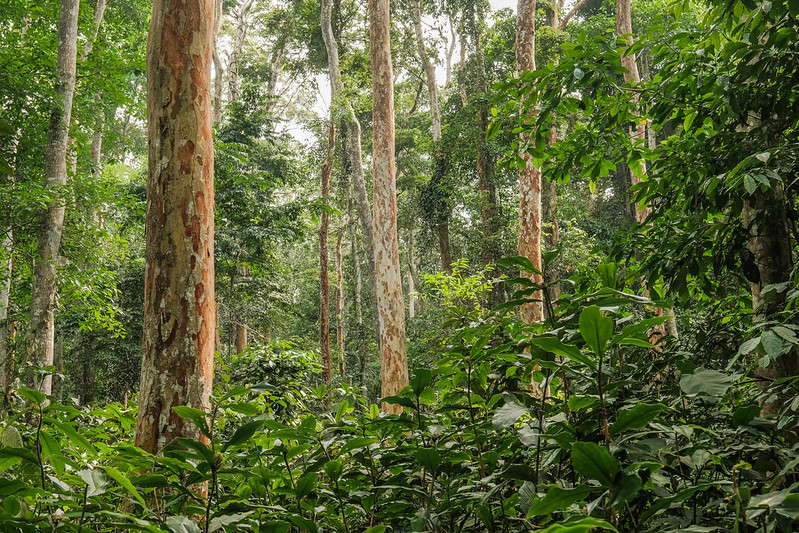
REDD+ in DRC: Platform explores next steps for forest carbon, restoration and rights
At COP26 climate change negotiations in Glasgow last year, the role of forests in capturing and storing carbon was high…
6 min read -

Ensuring REDD+ finance delivers fair finance and benefits to meet climate goals
Establishing standards for measuring, monitoring and assigning financial value to forest-related greenhouse gas emissions is a challenging process due to…
6 min read -
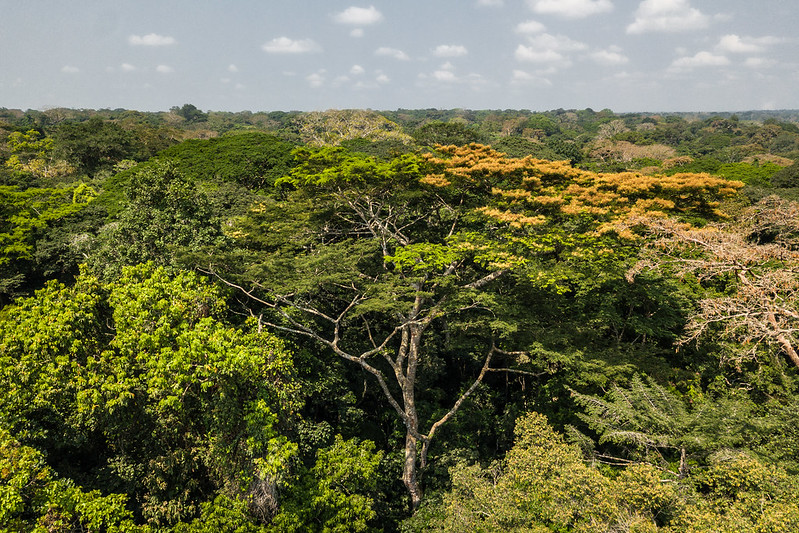
Keep fossil fuels in focus while talking forests and trees at COP26, says forestry expert
Putting land use issues — including deforestation, reforestation and restoration — front and center at the U.N. COP26 climate summit…
5 min read -
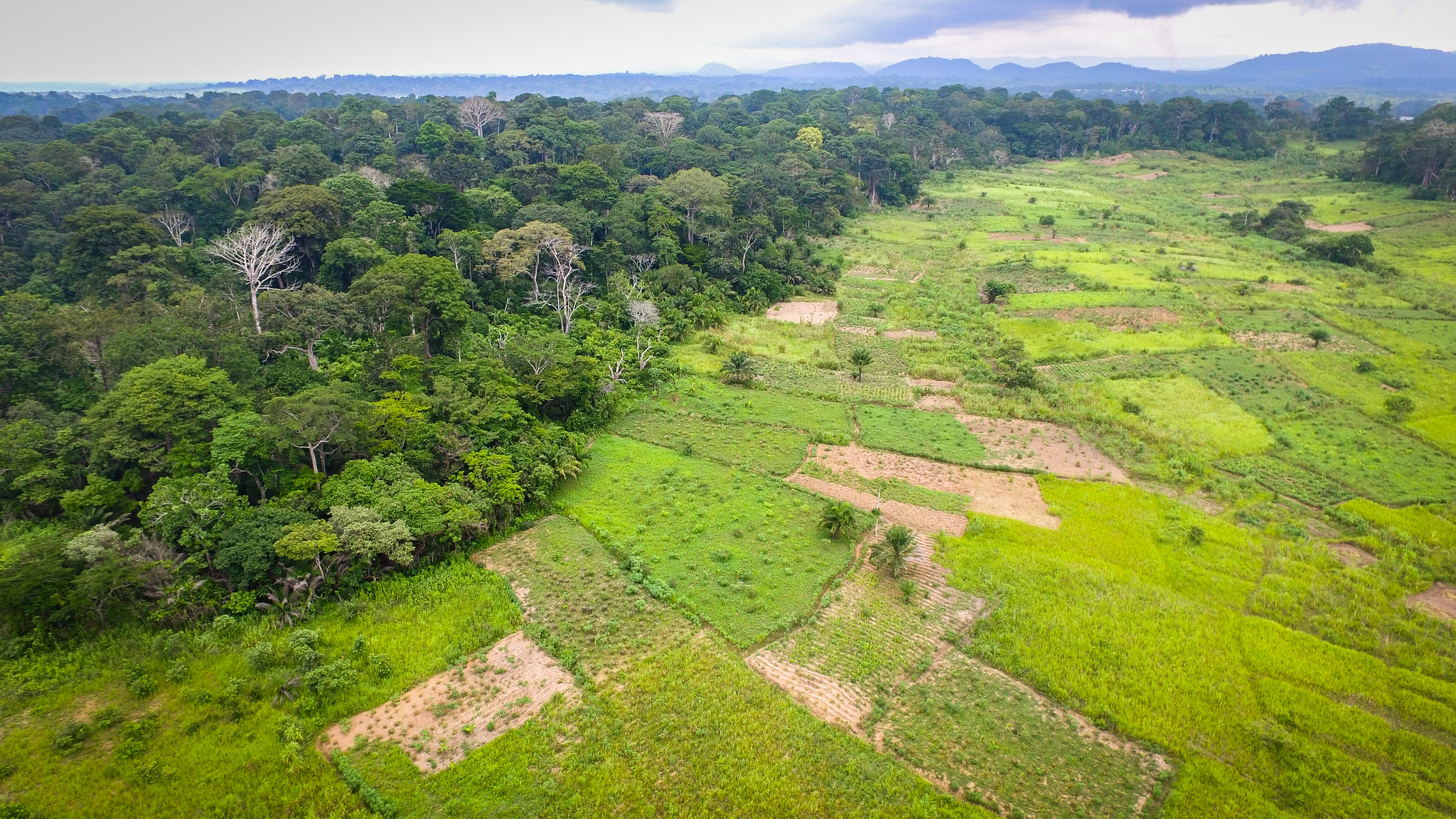
Reducing deforestation and forest degradation, and conservation of forests at the Green Climate Fund
Too much, too little, or just enough?The Green Climate Fund (GCF) has in recent years emerged as an important financial mechanism for funding REDD+ (Reducing Emissions…
8 min read -

Dissecting multi-stakeholder forums and how they shape forest governance
Gathering a diverse group of people together — with various vested interests — to discuss how to best manage a…
5 min read -
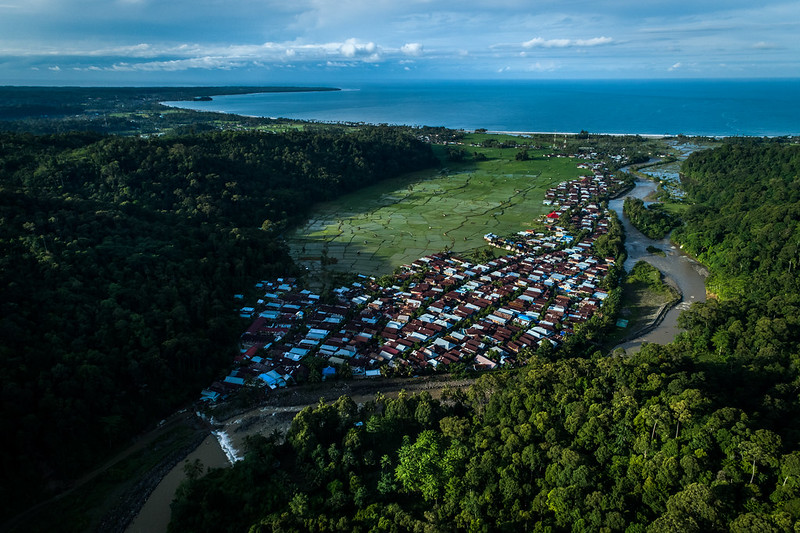
Taking stock of jurisdictional approaches to sustainable forest management
Taking a jurisdictional approach to sustainable forest and landscape management in the tropics is increasingly seen as one of the…
6 min read -

Lessons learned from a decade of REDD+ in Guyana
Guyana, meaning “land of water,” is one of the smallest, most densely forested countries in South America. It is also…
7 min read