When countries take stock of their progress on biodiversity conservation, the milestones are often measured by numbers – how many hectares protected, how many species registered, how much money earmarked. But the overarching purpose of the Global Biodiversity Framework (GBF) is one that cannot be measured so easily: to create a world where humanity lives in harmony with nature.
Such a comprehensive goal cannot be reduced to numbers. It requires a holistic approach that involves not only scientists and policymakers, but also local communities. And that, experts say, is where we are falling short.
“We still place enormous emphasis on the numbers. ‘How many hectares have we protected? How much land have we committed to restore?’” said Khalil Walji, a Landscape Alliance scientist and delegation lead for the 17th meeting of the Conference of the Parties (COP 17) to the Convention on Biological Diversity (CBD).
“These are important measures, but they don’t necessarily tell us whether nature is recovering; we can meet our targets on paper and still see species declining and ecosystems deteriorating… We need to get much better at looking at the whole picture, because nature, people and the economy aren’t separate things.”
“The bigger question is whether we’re making a real difference on the ground, not just for biodiversity, but for the people whose lives and livelihoods are tied to these landscapes. “
— Khalil Walji, Scientist, Coordinator Landscapes for our Future & Manager Target2 – Ecosystem Restoration Pilots
Overall, the GBF does take a holistic view. The 23 targets that serve as milestones for measuring progress on biodiversity conservation range from protecting and restoring ecosystems to equitable participation in decisions, and from reducing pollution and impacts of climate change to sharing knowledge and technology. But progress has not only been slow, according to the GBF itself and other groups, such as the Map of Life, which tracks species worldwide and recently issued its most recent Species Protection Report, but also very uneven.
Easiest targets are not always best
One problem, experts say, is that policymakers tend to prioritize targets that are easier to accomplish or more palatable politically, such as the “30 x 30” goal of protecting 30% of land, ocean and water by 2030, or restoring degraded ecosystems. But “cherry-picking” of targets leaves others behind. And in their haste to increase protected areas, there is a risk that policymakers might not apply the best scientific criteria. Or worse, they could lapse into “fortress conservation,” setting strict requirements for protected areas that displace local communities or cut off their access to forests and rivers that are crucial for their wellbeing.
“The worry is that if a country assumes it needs to create strictly protected areas on 30% of its land, that will have massive social impacts,” said James Reed, senior scientist at the Landscape Alliance. “And we don’t even know if those areas do a good job of protecting biodiversity.”
That, he added, points to the need for better monitoring of the results of different conservation strategies. Countries use information to update databases on species, habitats and levels of protection. But many lack the baseline data needed to track the results of their National Biodiversity Strategies and Action Plans (NBSAPs), Reed said, and monitoring is generally not a funding priority.
Meanwhile, both GBF targets and many countries’ NBSAPs use imprecise language — such as “significantly” or “substantially” increase or reduce — about some targets that play a vital role in reducing biodiversity loss, making them difficult to track, Reed said. This year’s global report on progress toward the GBF targets also notes that only about half the countries included financing in their national plans, and even fewer specified amounts.
Halting destruction is key
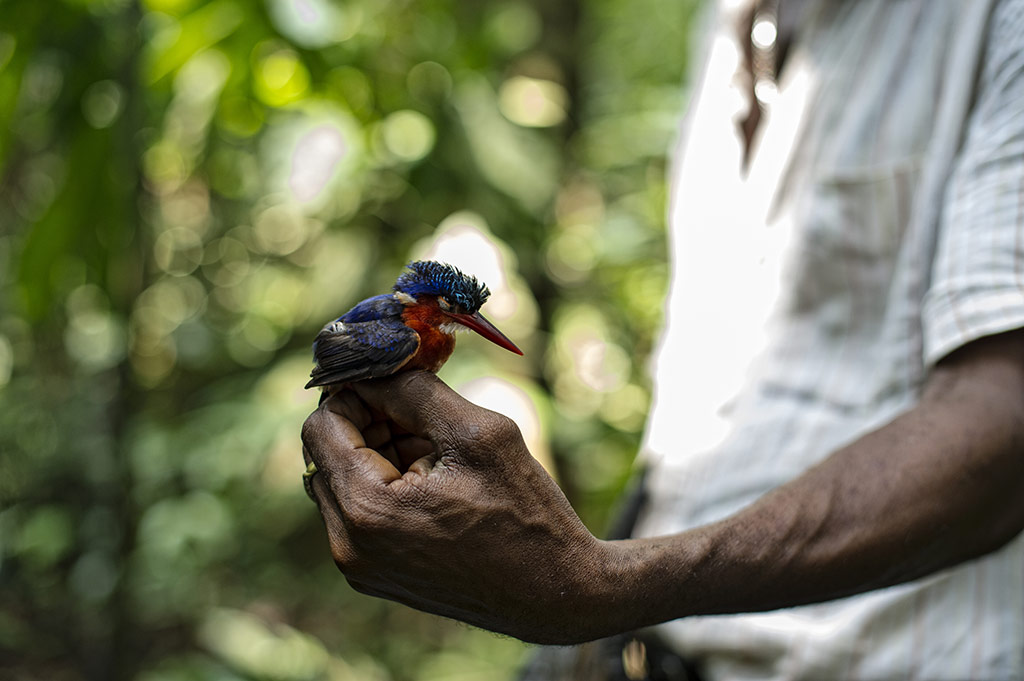
Creating a world where humans live in harmony with nature requires more than protecting parts of ecosystems that remain intact. It also means stopping ecosystem destruction by reducing economic incentives that encourage it and creating incentives for sustainable production and consumption.
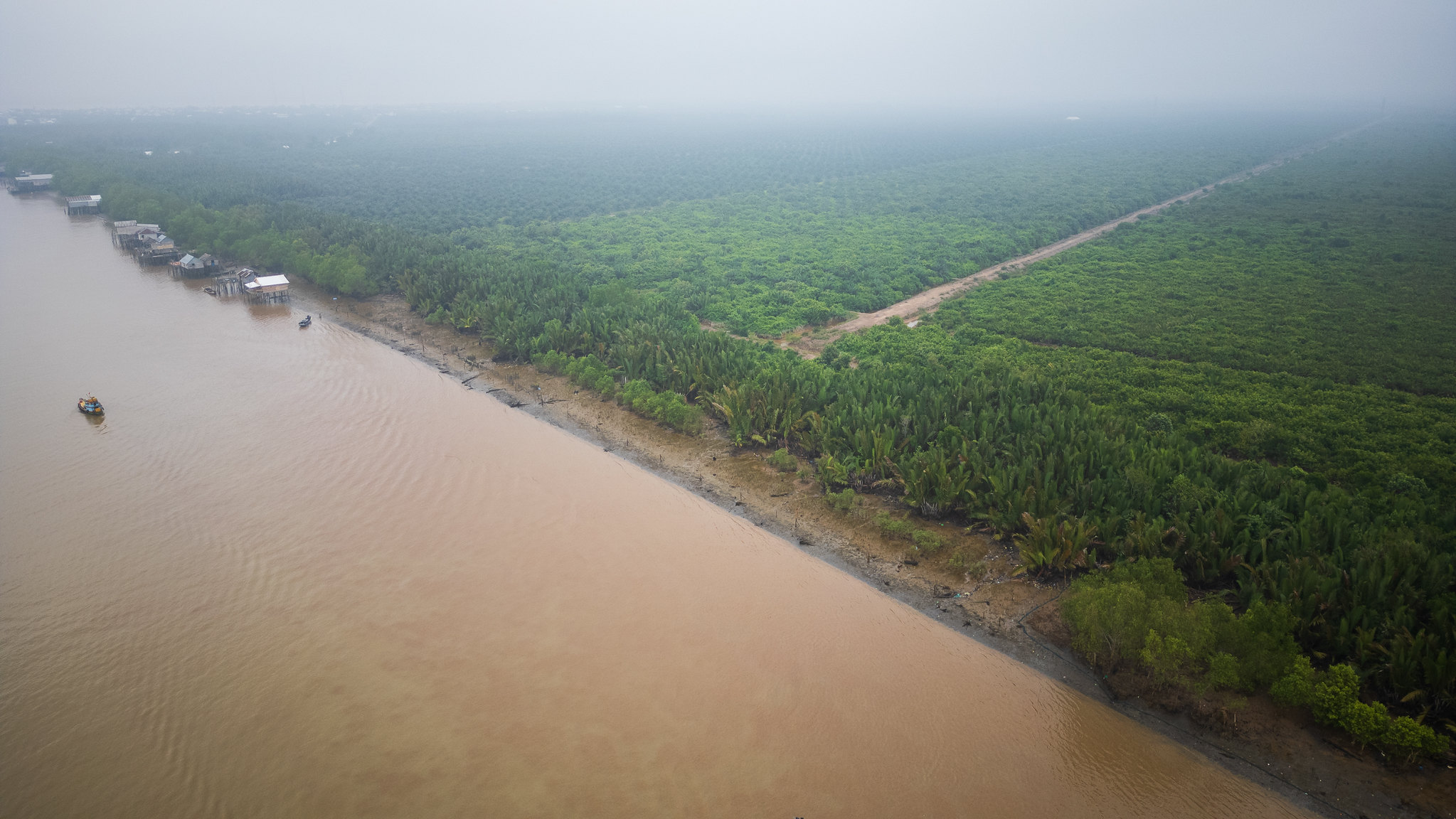
Most biodiversity loss stems from human activities related to extractive industries, pollution, land-use and sea-use change, climate change and the spread of invasive species. The Convention on Biological Diversity (CBD) calls for reducing harmful incentives by $500 billion a year and increasing positive incentives. Yet, the U.N. Environment Programme estimates that subsidies harmful to nature amount to $2.4 trillion annually worldwide – a number that is likely much higher, as more than 80 percent of countries missed the reporting deadline. By contrast, countries spend about $190 billion on ecosystem protection and restoration. Similarly, the CBD’s Cali Fund, which aims to mobilize USD 1 billion per year in voluntary corporate contributions, has collected a mere USD 10,000 in the past two years.
Referencing these numbers, Reed emphasized that the global economic system lies at the root of the biodiversity crisis. If countries are not willing to pursue metrics that threaten subsidies or other financial priorities, progress will continue to stall.
“We’re still believing in the illusion of perpetual economic growth, and we know that’s not consistent with protecting the environment,” Reed said. “Conservation needs to broaden its scope to more seriously consider the underlying drivers of environmental degradation and destruction.”
Rather than treating 30×30 as a rigid target, Reed argues Parties should adopt metrics that focus on ecosystem health, equitable governance and actual biodiversity outcomes.
Learning from local communities
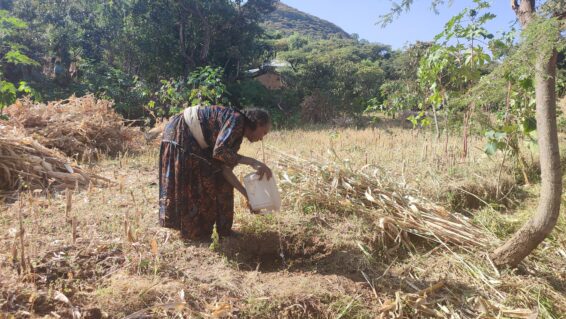
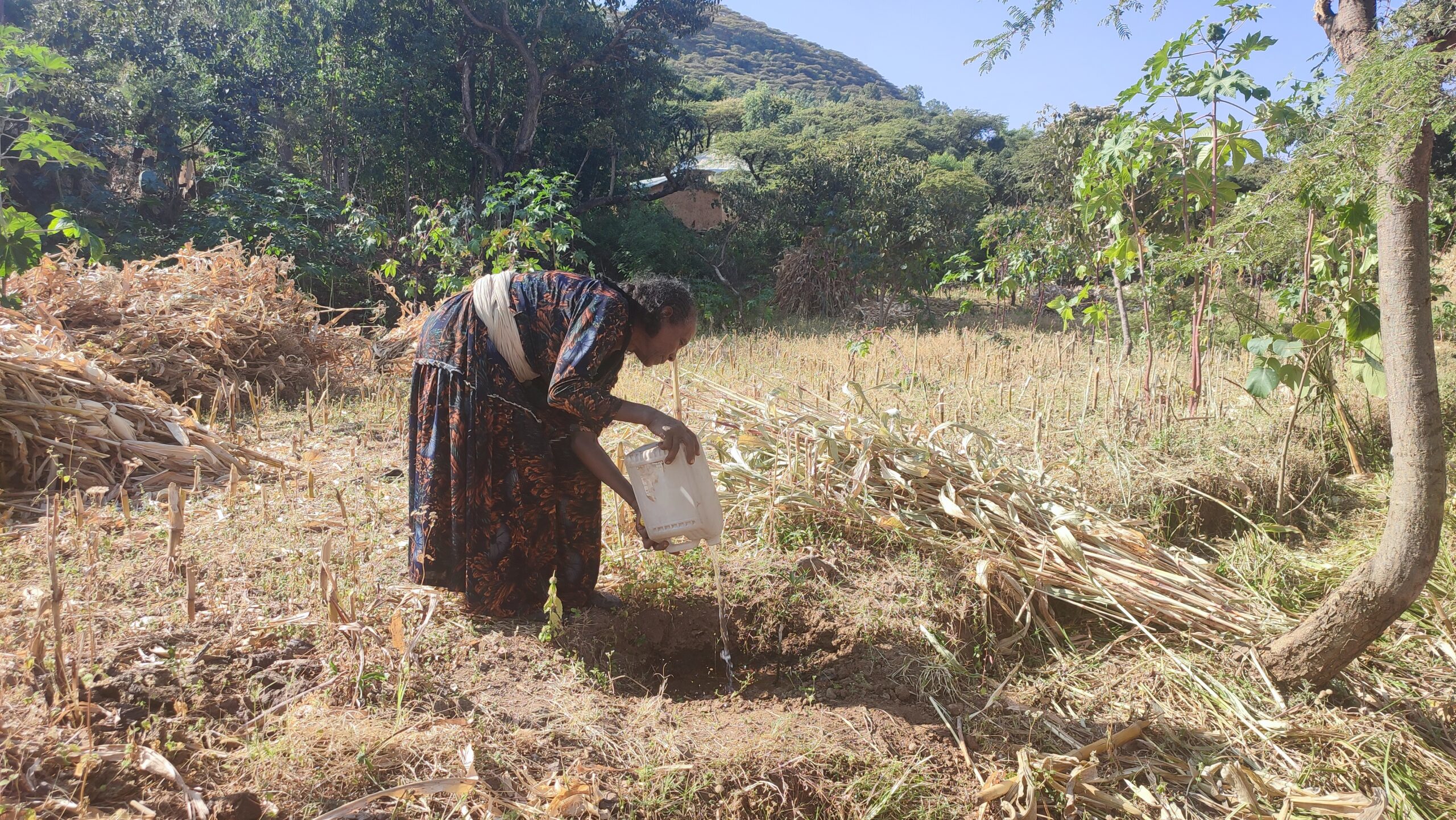
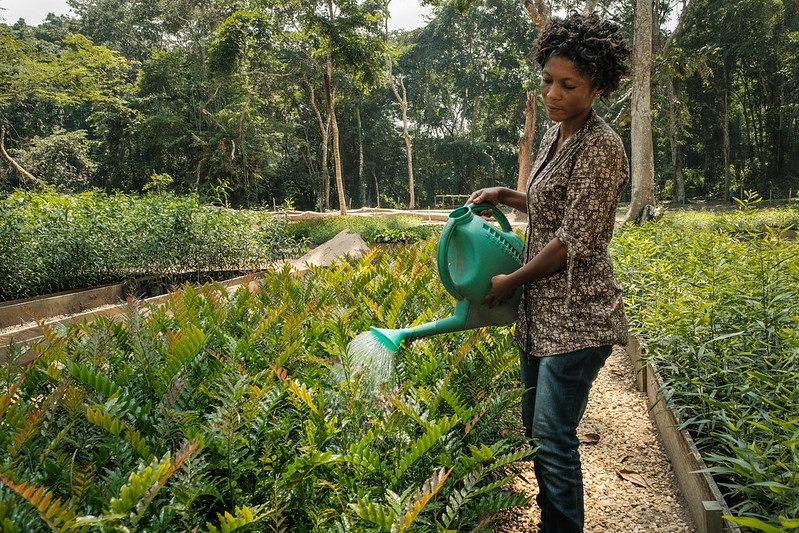
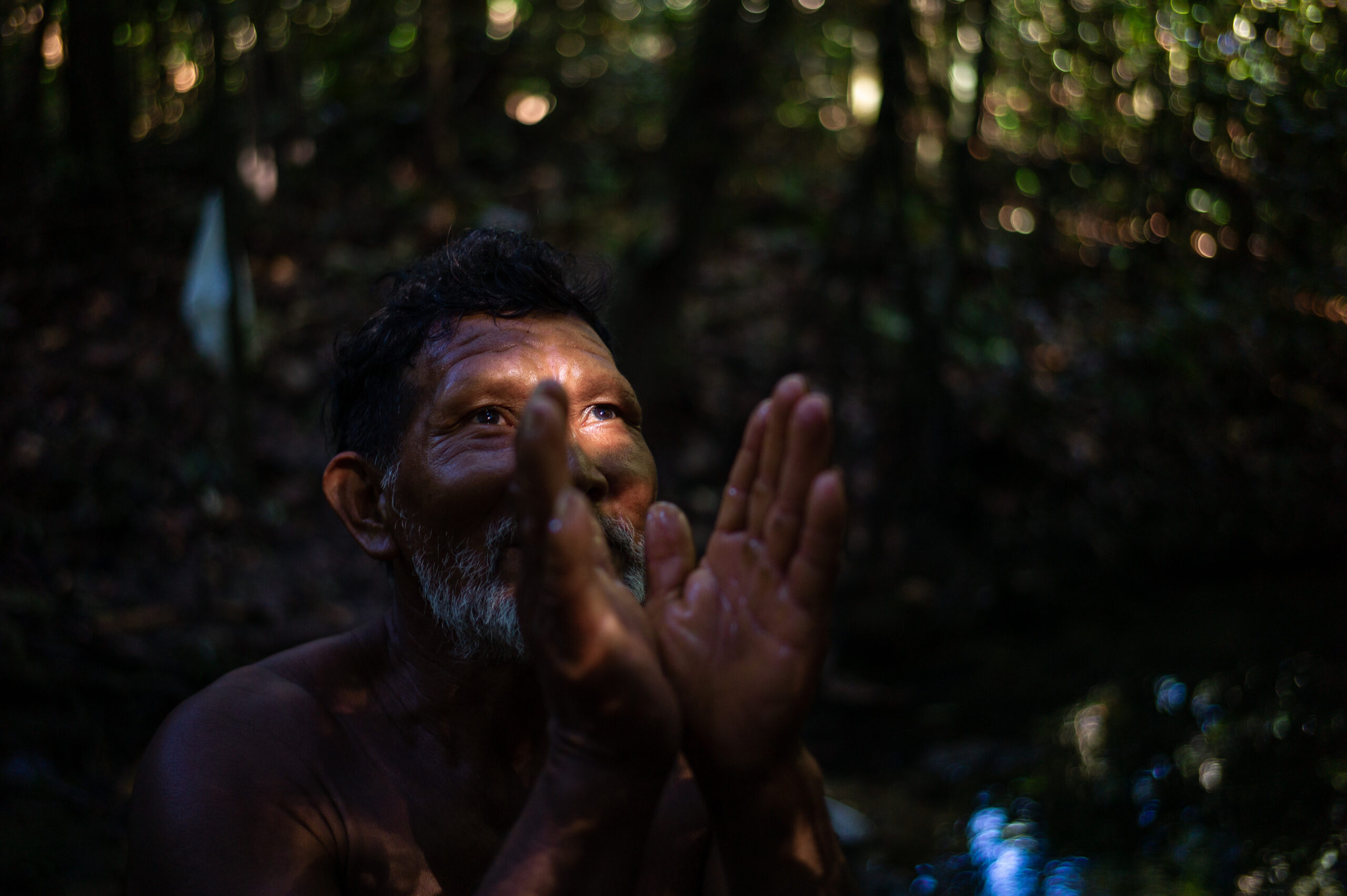
Reed advocates a broader approach to conservation that gives greater weight to social issues and the role of local communities, especially women. Existing examples receive too little attention, he said. Although Indigenous peoples are increasingly involved in biodiversity conferences, for instance, the wider public is slow to learn from their ways of living in harmony with the ecosystems they inhabit.
“There is good evidence to show that Indigenous lands perform better than protected areas, and that evidence is even stronger where Indigenous people have secure rights,” Reed said. “How can we learn lessons from these centres of biocultural wealth, where communities are living in harmony with nature, with their low-intensity livelihoods, and adopt them in our so-called developed countries?”
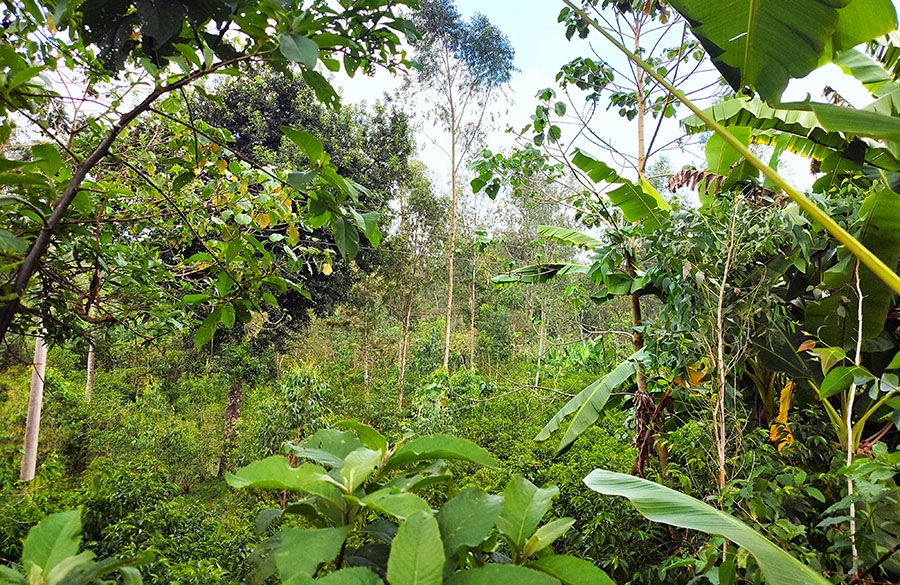
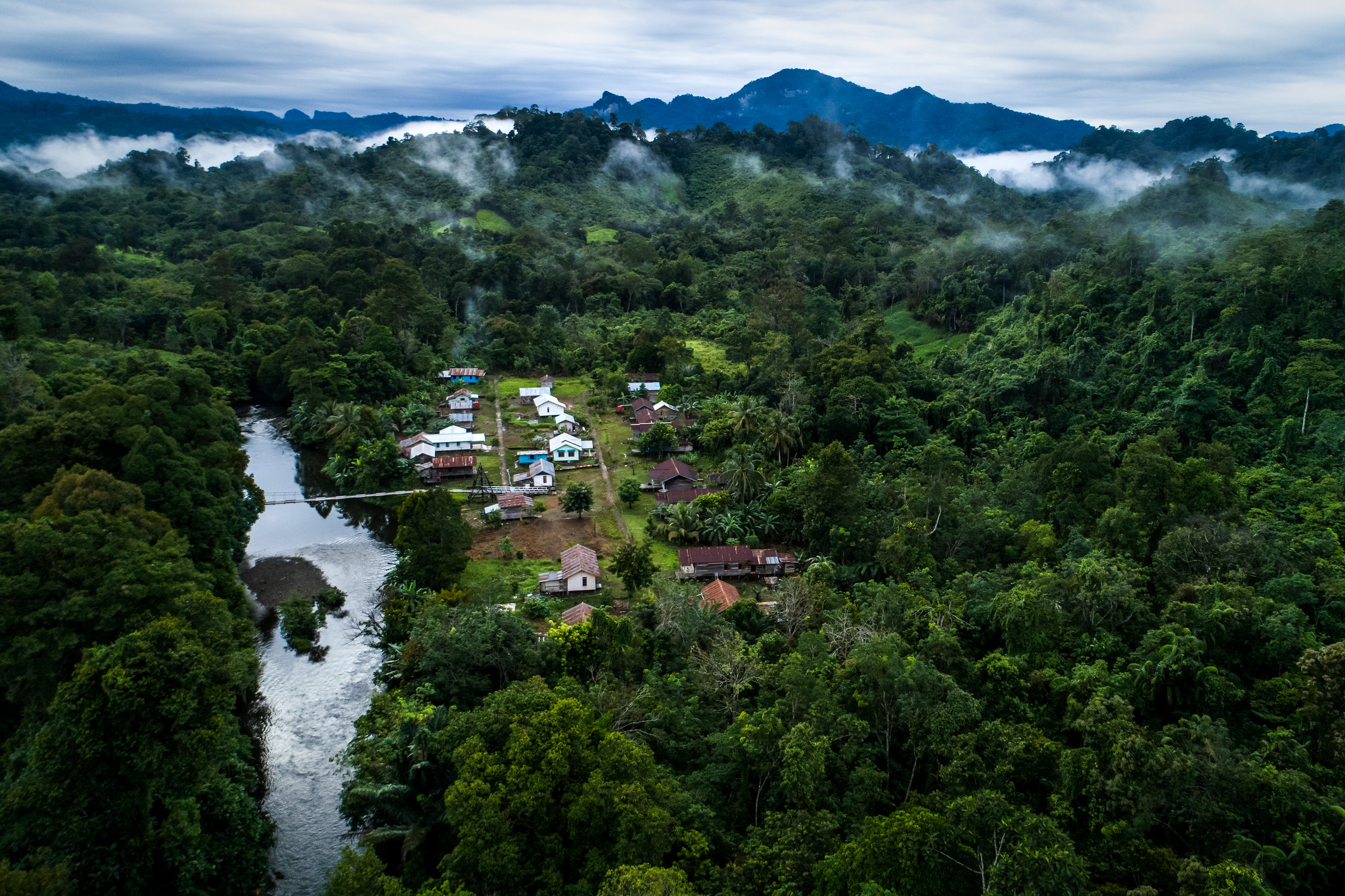
One area where Landscape Alliance experts see progress is integrated landscape planning. People from diverse groups, including government ministries, the private sector, universities, local communities, farmer organizations and women’s groups, identify their priorities, map how the landscape has changed and develop a vision for the future, with specific targets to measure progress.
Experience in Indonesia, Zambia and Ghana has shown that local residents generally do not say they need money, Reed said. “More often they’re looking for training, capacity development, or access to seedlings, or better health care, better education.”
In Guyana, communities gather data about species and habitats, which feed into the National Biodiversity Information System, which the country is developing in collaboration with the Landscape Alliance. Communities maintain control of the data system, which helps track progress toward Guyana’s regional and national targets.
“We already know an enormous amount about what needs to change,” said Walji. “The harder part is figuring out how we make that happen. Who pays for restoration? Who benefits? How do we bring governments, businesses and local communities together around something they all depend on, but no single actor is responsible for? These are not just environmental questions; they’re questions about how our economies work, how we make decisions and what we choose to value. And I think that’s where we need to put much more of our energy: moving from protecting nature in isolated pockets to restoring the health of the wider landscapes that sustain us.”