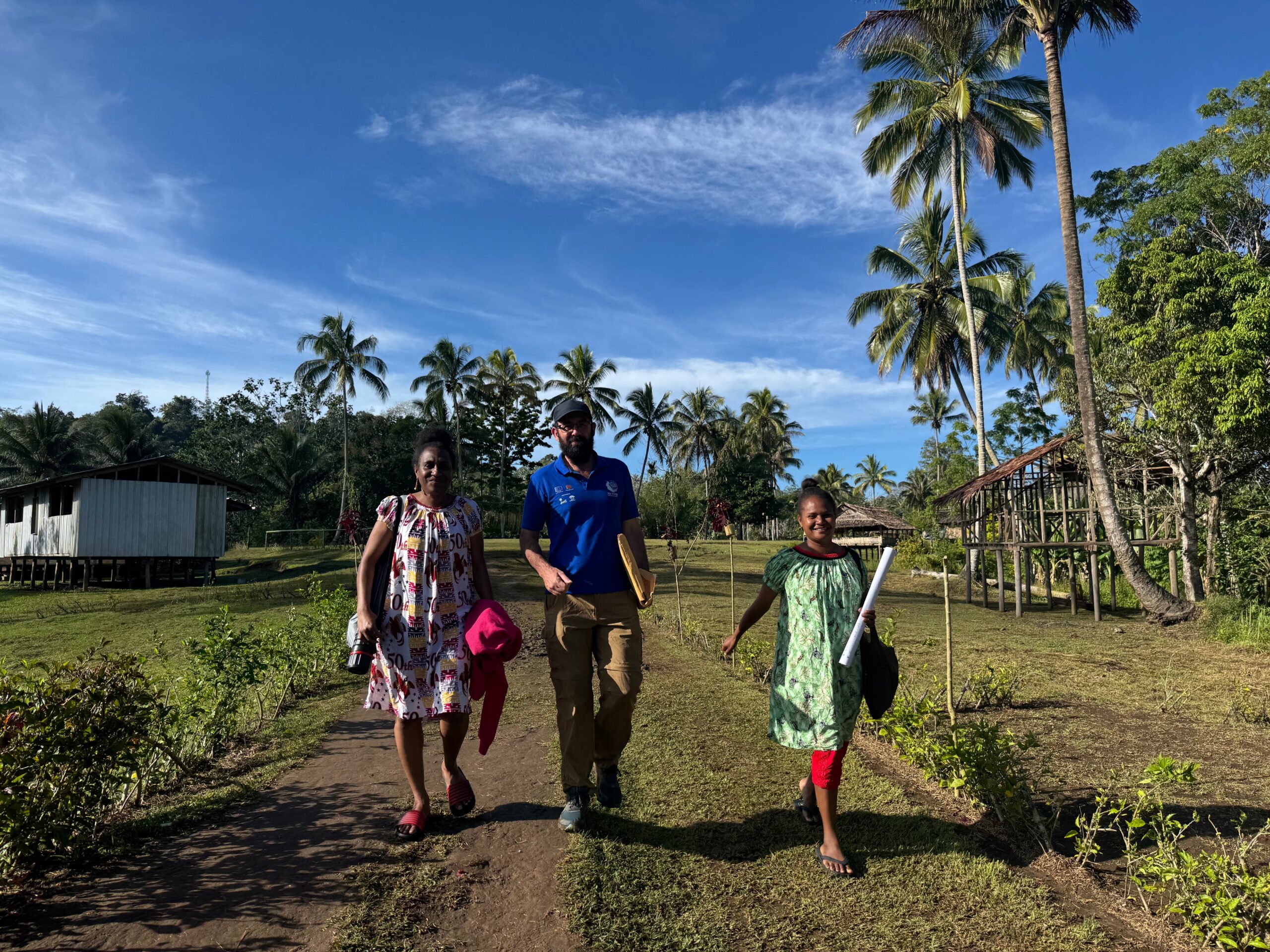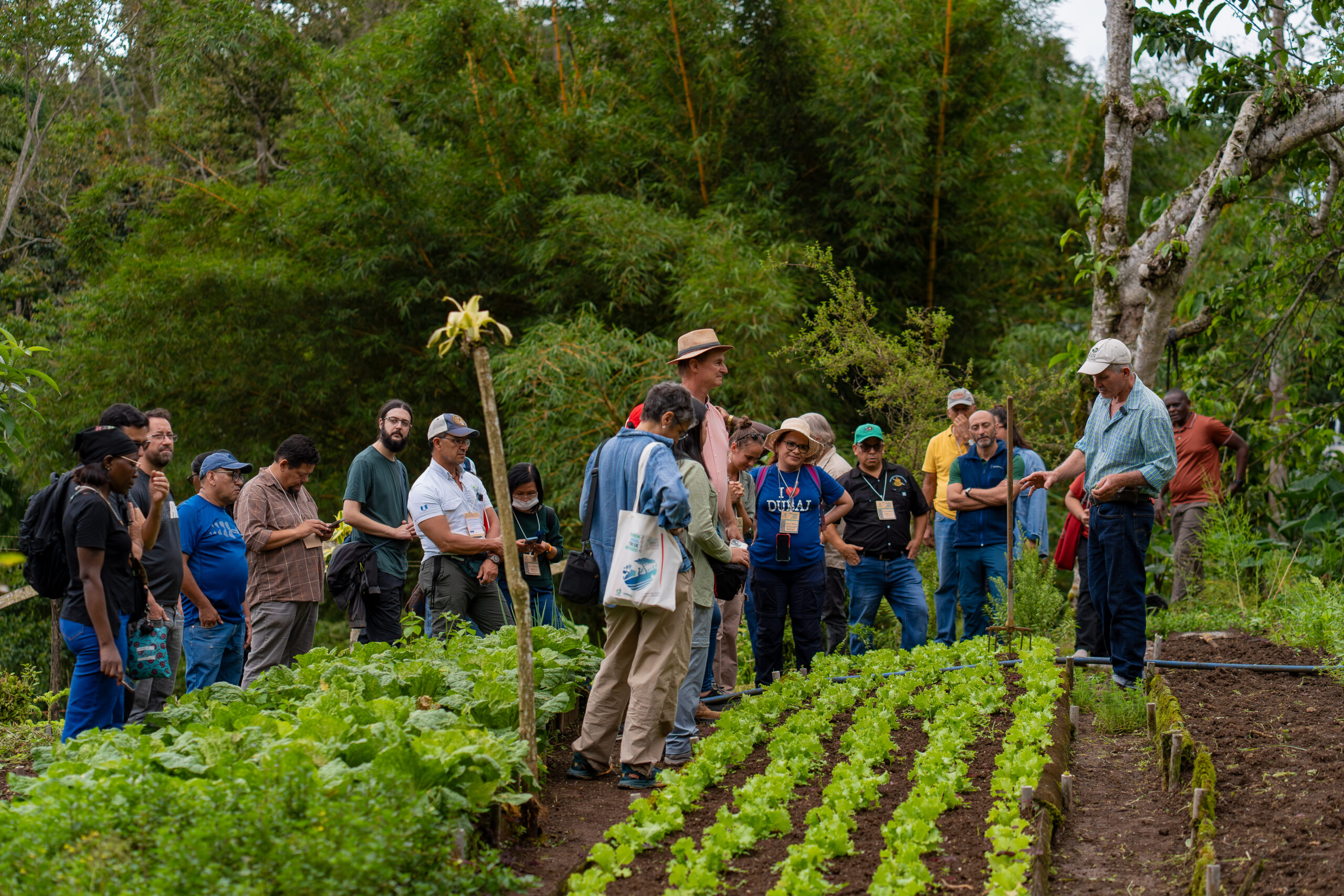


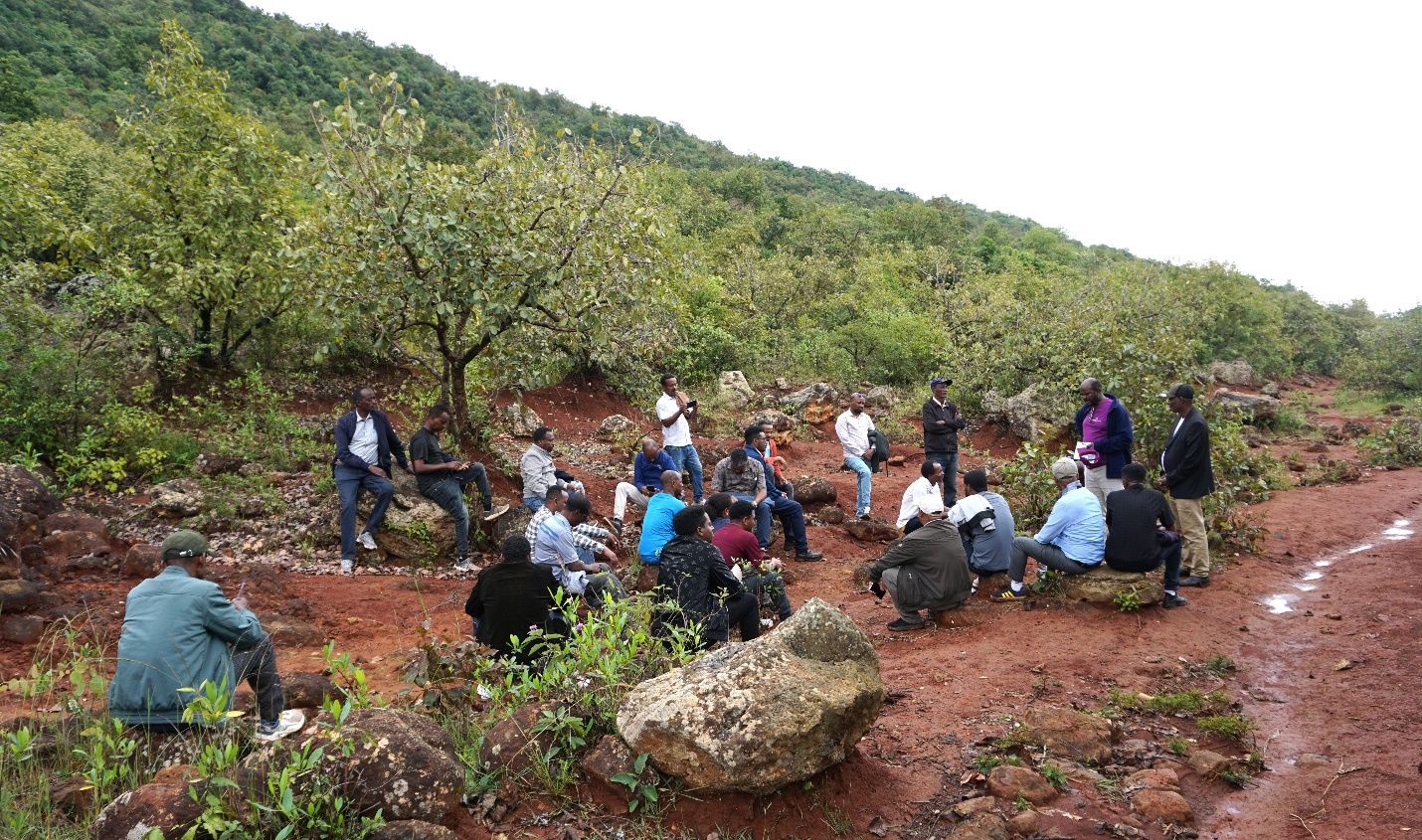
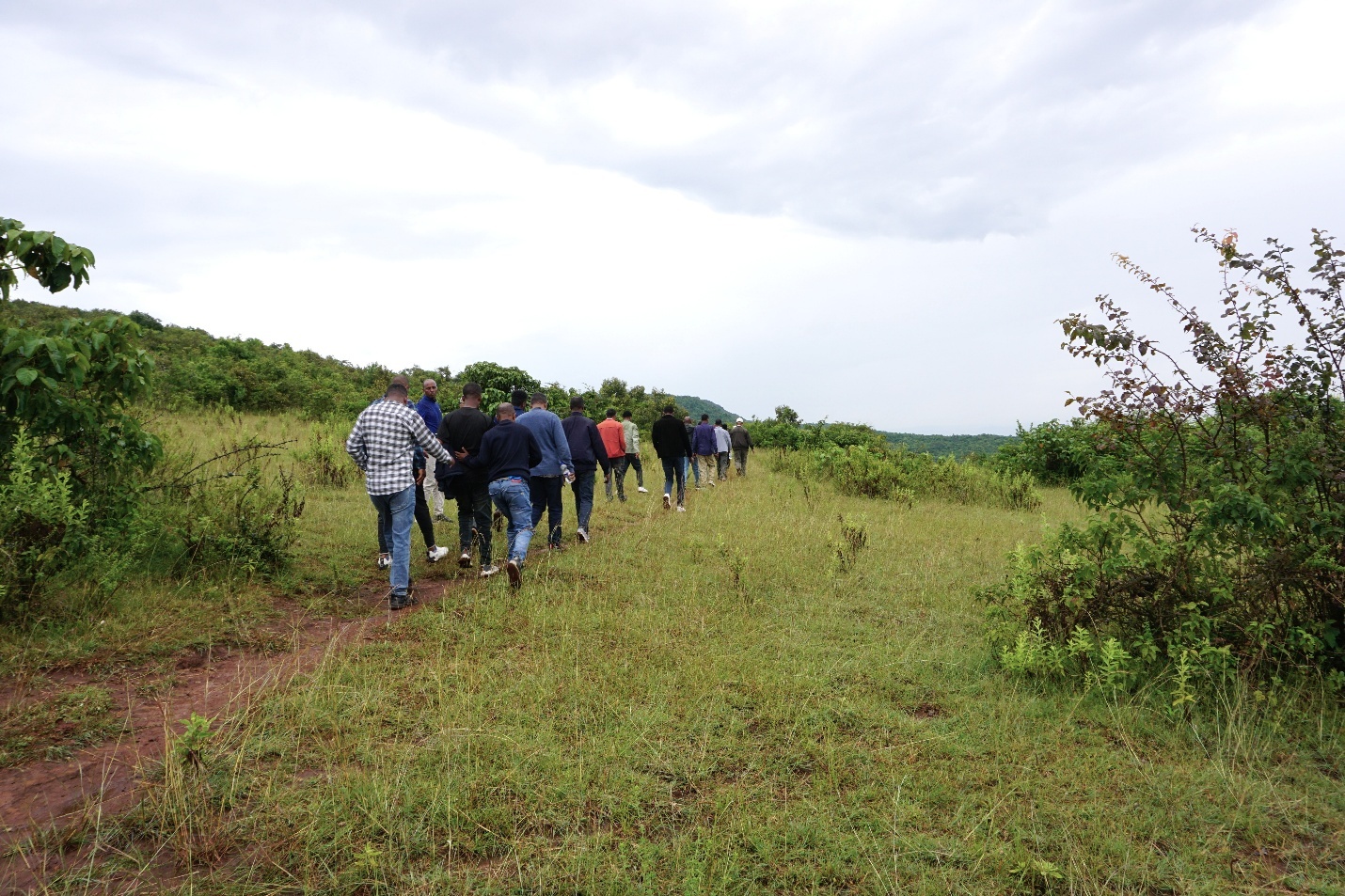
A group of 25 people from various faith-based non-governmental organizations and government offices visited the South Ethiopia Region from 12 to 16 October 2025. Norwegian Church Aid and the Center for International Forestry Research and World Agroforestry (CIFOR-ICRAF) jointly organized the trip to learn from the Humbo Carbon Project and document restoration practices that could be adapted and replicated in the implementation areas of the Ethiopia Interfaith Initiative for Forest Conservation and Climate Action.
From open access to degradation
The group first travelled to the Humbo Carbon Project, focusing on the site near Hobicha town in Wolaita Zone.
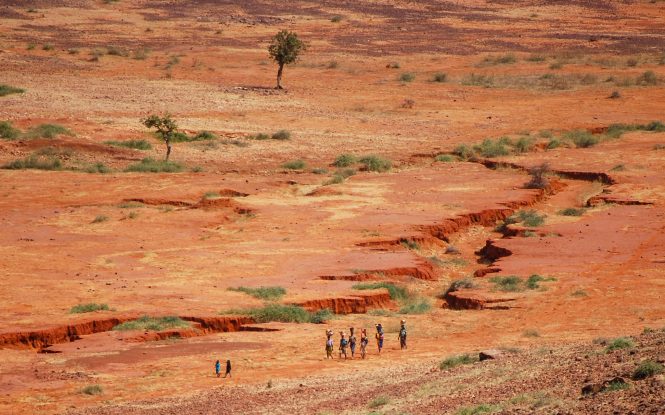
Before 2005, the Humbo mountains were communal lands with no clear ownership. People freely harvested timber, fuelwood and charcoal, grazed livestock and occasionally set fires to improve pasture. Landless youth settled on the steep slopes, cultivating areas with gradients as high as 80 percent.
As forests disappeared, heavy rains washed away fertile topsoil, gullies widened, floods intensified and surrounding communities sank deeper into poverty.
Organizing communities for regeneration
In 2005, World Vision launched a farmer-managed natural regeneration initiative across 2,728 hectares of barren mountains. The organization consulted nearby communities for a month, particularly poorer households that depended on charcoal and fuelwood. Seven cooperatives were established, and alternative livelihoods were offered to those reliant on forest extraction.
Land within the enclosure was allocated to kebele-level cooperatives, which received training in forest management. These cooperatives later formed a union that today counts 5,184 members, around a quarter of them women.
“When we were first organized in a cooperative, many resisted joining because they wanted free access to the forest resources,” said Mekonnen Gujo, chairperson of the Hobicha Bada Woyito Mountain Forest Development Cooperative. “Our committee leadership faced pressure as we tried to stop free cutting and free grazing. Some people even destroyed crops on committee members’ farms.”
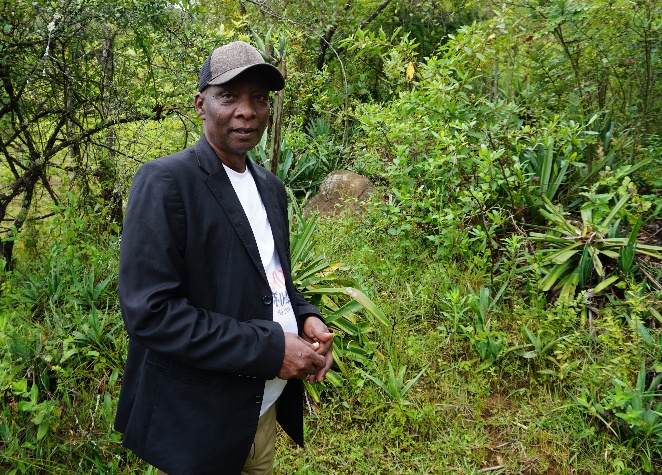
He recalled that the committee chairperson was attacked and later died from his injuries. “Fortunately, the local government supported us, deploying armed guards from the kebele and militia to protect the mountains,” he said.
The cooperative manages 372 hectares of enclosed land. At the outset, 16 farmers refused to vacate farmland inside the enclosure, requiring court intervention. Others had to remove eucalyptus trees they had planted within the protected area. Membership eventually grew from 25 to 935.
Farmer-managed natural regeneration in practice
Farmer-managed natural regeneration (FMNR) was central to restoring the area. According to Mulugeta Zeleke, a World Vision staff member in Sodo, FMNR is “a low-cost, rapid and easily replicated silvicultural approach to restoring and improving agricultural, forested and pasture lands.”
Through FMNR, farmers manage regrowth from living stumps, roots and seeds by pruning and selecting the strongest stems to accelerate growth and biomass accumulation. In addition, seedlings were raised in nurseries and enrichment planting was carried out in open areas.
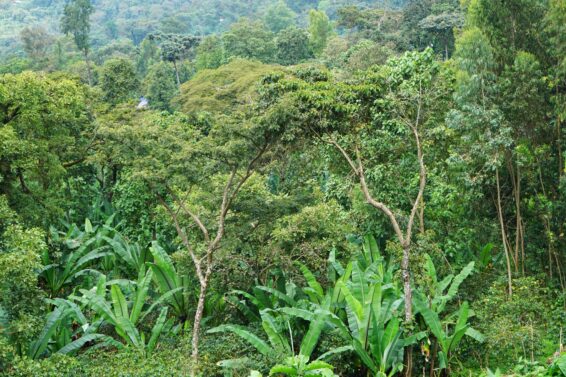
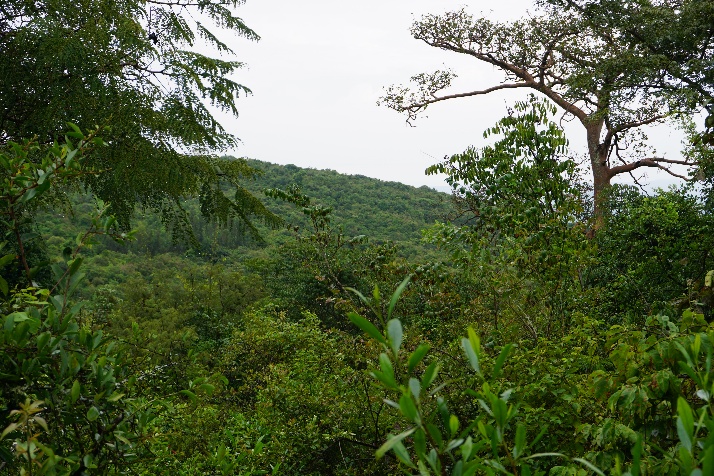
As vegetation recovered, the mountains gradually transformed. Tree cover reduced flooding, stabilized rainfall patterns and improved groundwater levels, allowing springs to reappear in some areas. Wildlife returned and the local microclimate became cooler.
Carbon finance as a turning point
A major turning point came in 2012, when cooperatives began earning income from carbon credits. Carbon trading was little known in Wolaita before the project, but as sales gained recognition, Humbo attracted visitors from across the country.
Carbon revenue enabled the cooperative to establish a flour mill serving both members and non-members at low cost. It also operates an office, three rentable storehouses and two shops. Income from carbon sales is lent to members interest-free to support livelihood activities.
According to Mulugeta, carbon is measured annually from 85 sample plots of 20 by 20 metres across the project area.
Mekonnen noted that revenues fluctuate. “The revenue we received from carbon sales in 2024 was low — 435,000 birr. But in 2025, it increased to more than 5 million birr,” he said. The cooperative plans to distribute loans of 10,000 birr to 500 members, after assessing how the funds will be used.
Lessons from Humbo
Reflecting on the visit, Dr Getachew Hiruy from the Ethiopian Evangelical Church Mekane Yesus Development and Social Services Commission said the experience was transformative.
“From the Humbo project, I learnt that if people believe in something, they can do what seems impossible,” he said. “People must be consulted and be part of the project. They need to actively participate and own it.”
While Humbo illustrates how degraded landscapes can be restored through collective action and carbon finance, the next stop on the journey revealed a very different story — one of long-standing resilience, where forests and farms have coexisted for generations.
→ Continue the story in Part 2:How Gedeo’s traditional agroforestry sustains forests and food security