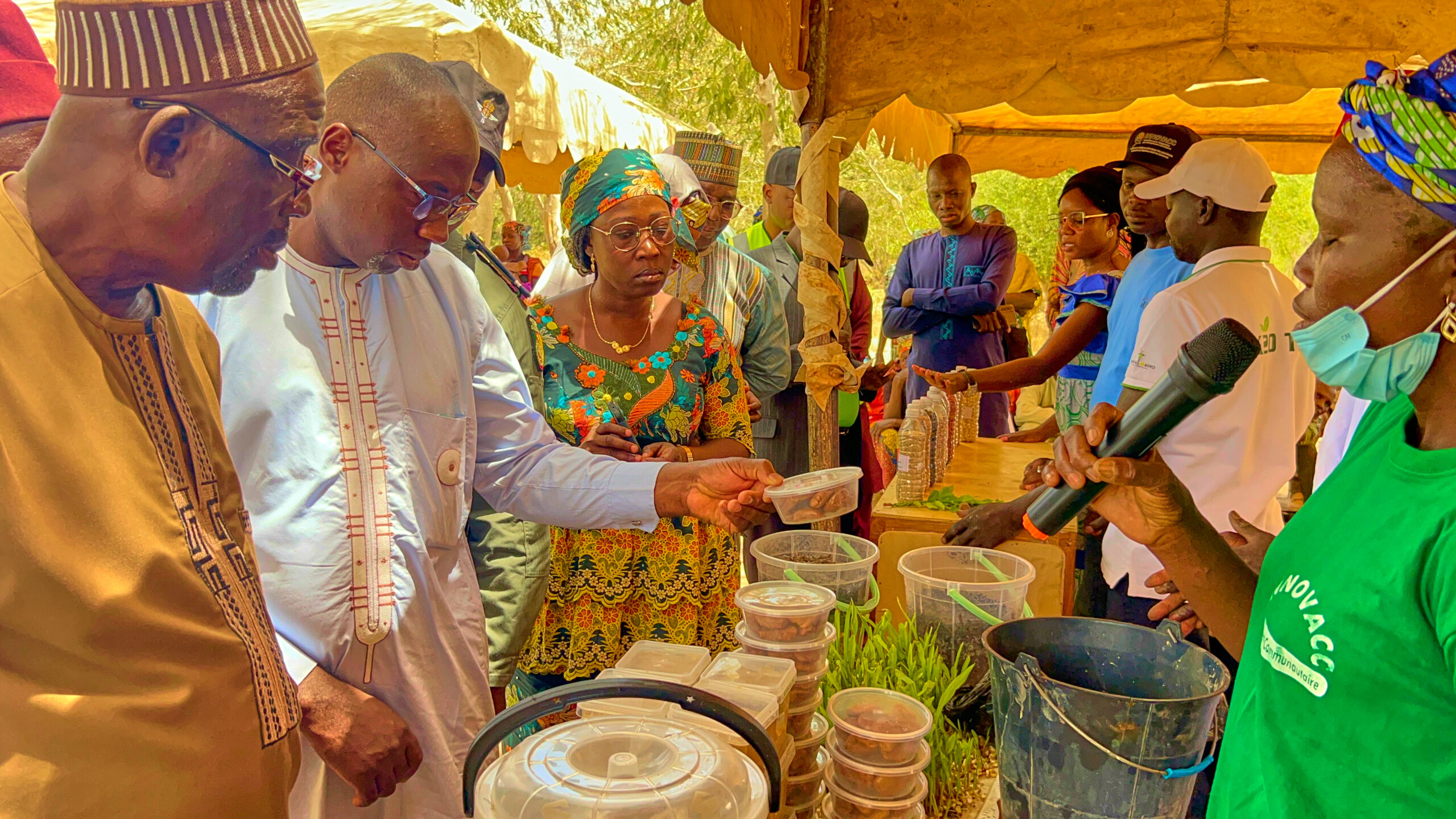
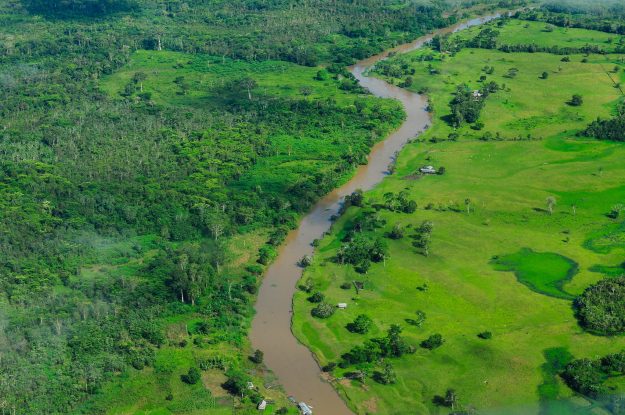



In Vavoua, in west-central Côte d’Ivoire, a group of cocoa farmers gathers under a wooden shelter as they often do to exchange ideas on good agricultural practices. On this morning, however, their attention is drawn to a small white device placed on a table. Modest in appearance, it may nonetheless profoundly shift how communities confront swollen shoot disease, one of the most persistent threats to cocoa plantations in West Africa.
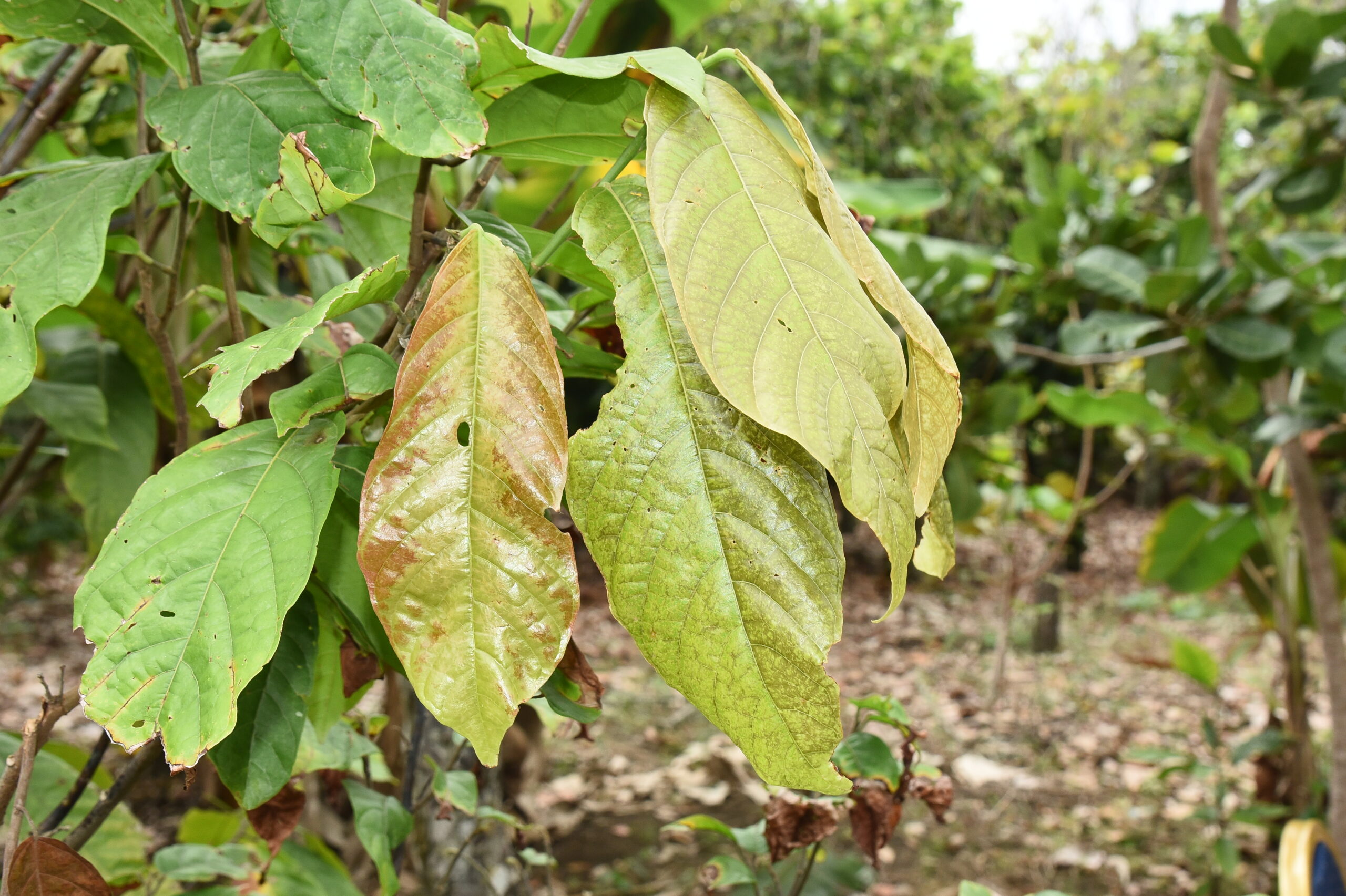
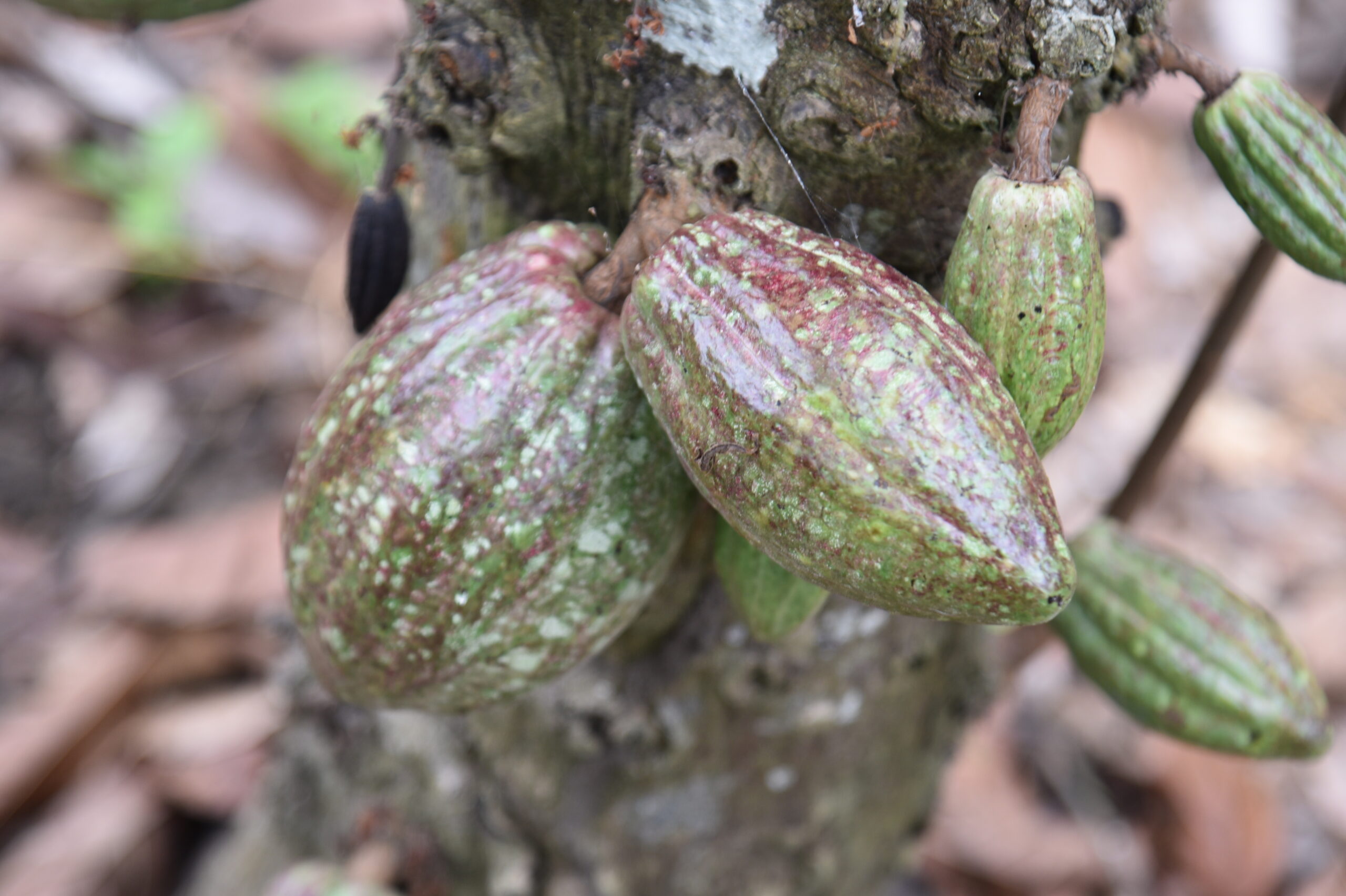
Swollen shoot is a viral disease of cocoa trees caused by the Cocoa swollen shoot virus (CSSV) and transmitted by mealybugs moving from tree to tree. Infection is silent first. Leaves later yellow, pod shrinks and yields decline. By the time symptoms appear, losses are already considerable. To date, there is no chemical treatment to eliminate the virus; control measure remains cultural, particularly the removal of infected trees followed by replanting. The ability to diagnose the disease at a very early stage, therefore, represents a profound shift in managing high-risk plantations.
It is in this context that the Center for International Forestry Research and World Agroforestry (CIFOR-ICRAF), Mars, SwissDeCode and national partners have collaborated since 2019 to develop and validate a rapid detection kit that farmers can use directly in their cocoa plantations.
In 2023, nearly 4,000 tests were conducted across laboratories, nurseries and farms, particularly in Soubré, Bouaflé and Vavoua. Researchers from CIFOR-ICRAF worked closely with colleagues at the National Center for Agricultural Research (CNRA) to refine protocols and confirm the kit’s effectiveness under real field conditions. The strip-based device, combined with a portable B3 reader, can detect infection as early as the first month — well before visual symptoms emerge.
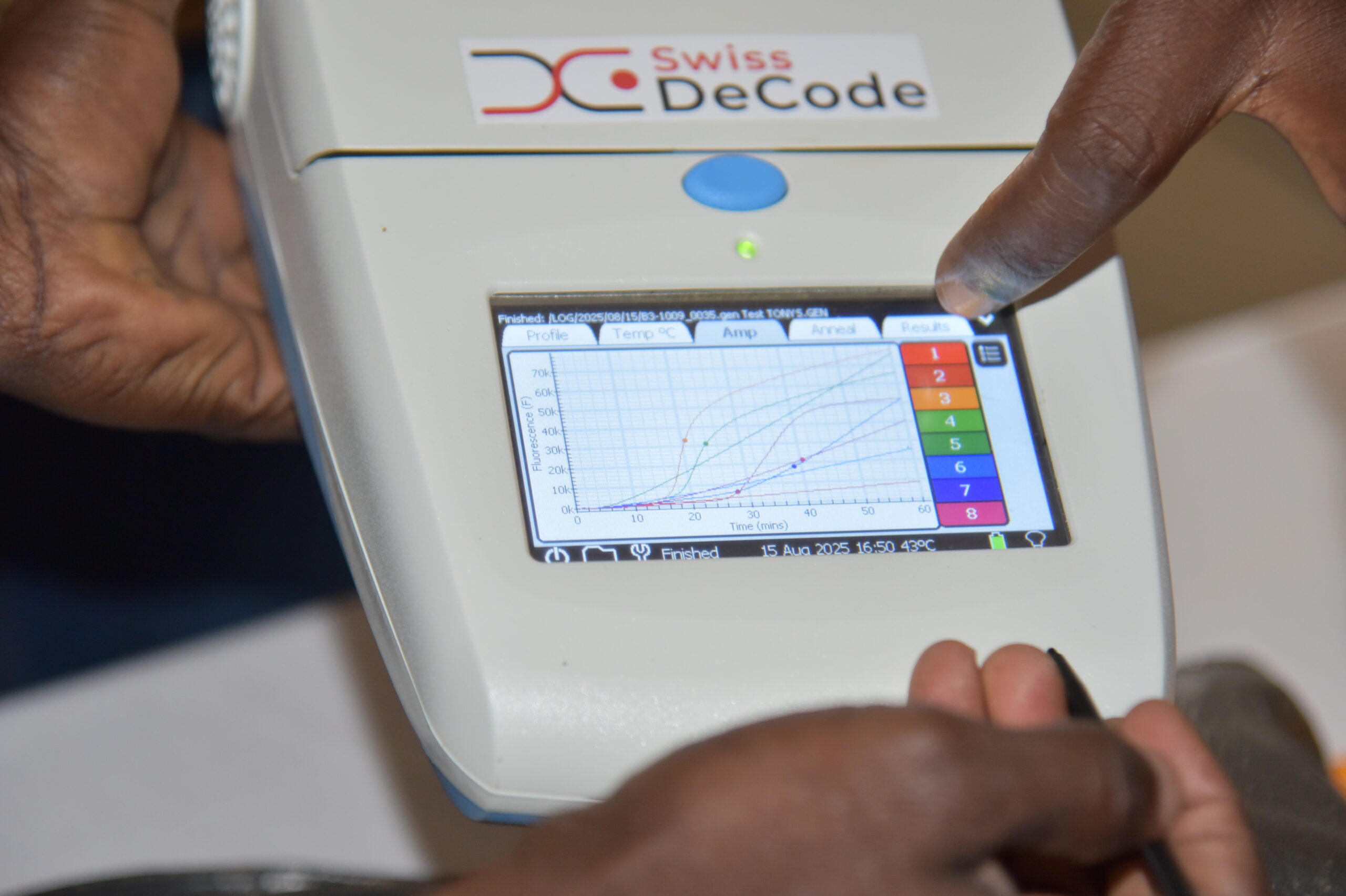
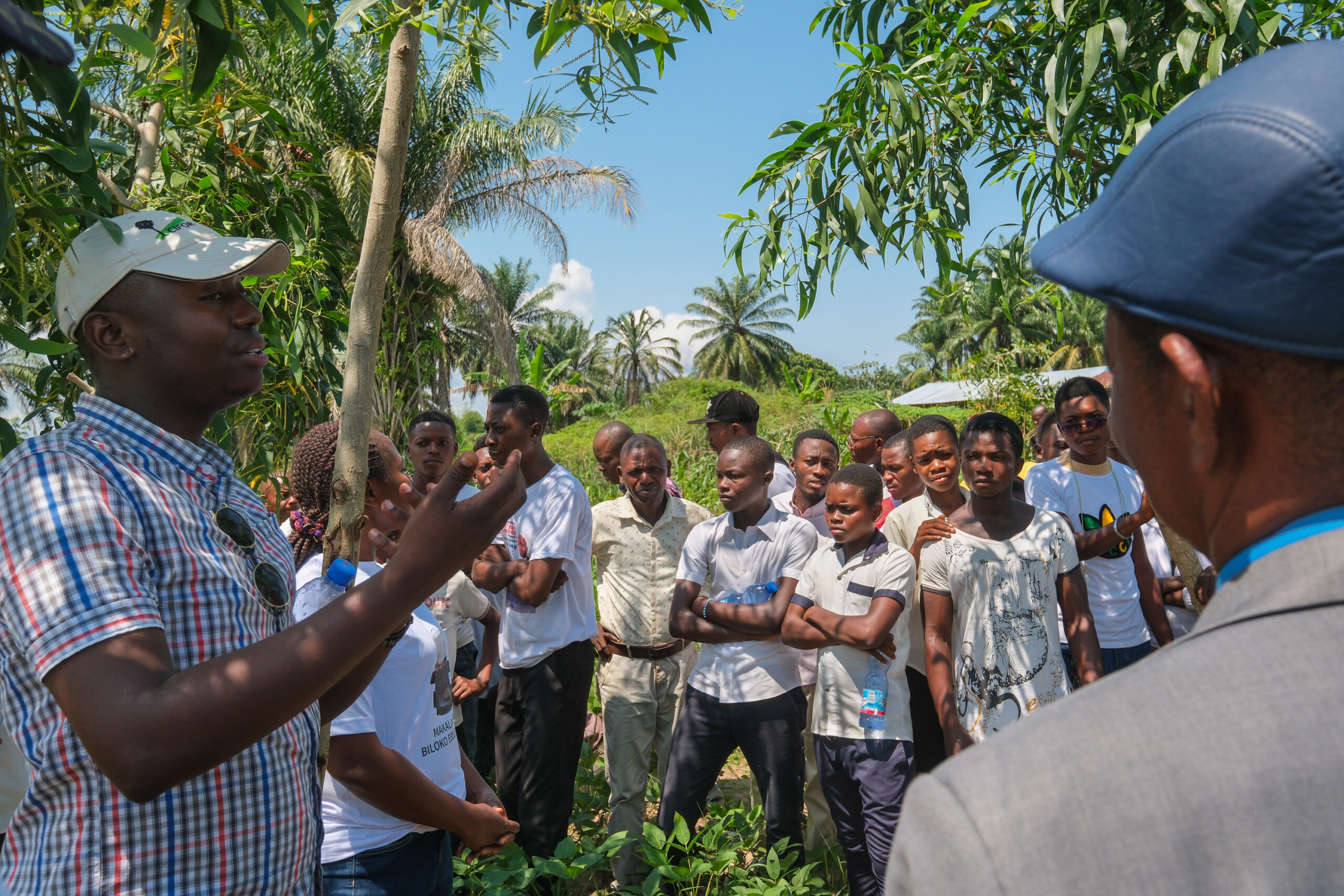
Yet innovation becomes transformative only when users adopt it. Recognizing this, CIFOR-ICRAF Côte d’Ivoire has led an extensive capacity-building effort across the cocoa sector since 2020. “The training sessions focused on field symptom recognition, control methods, agroforestry, coaching, plot development planning and the use of the rapid detection kit,” explains Dr Koffié Kouakou, CSSD expert researcher.
Over the years, the approach has expanded and become more structured. Early sessions targeted CNRA officers responsible for monitoring the phytosanitary status of seed fields and clonal gardens in Divo and Soubré. The programme then expanded to other public institutions and major private initiatives, including those of MARS-Wrigley, Tony’s Chocolonely and Rainforest Alliance in Côte d’Ivoire and Ghana. A large-scale training programme with Cargill is now being finalized.
By the end of the year, more than 1,500 people will have been trained — from research technicians and agricultural advisors to field officers, cooperative coaches, supervisors, certification officers and teams from private companies. This scaling reflects a shared collective momentum: swollen shoot is not a challenge for one institution to solve alone, but a responsibility shared among research bodies, companies and producers.
“The fight against swollen shoot disease highlights the need for a coordinated approach. Neither research alone nor producers alone can address it. A durable response is built through the joint action of public institutions, private partners and rural communities,” confirms Dr Kouakou.
Findings from studies in Soubré have demonstrated theurgency of early diagnosis.
Apparently, healthy trees can transmit the disease within a radius of up to 24 metres, meaning a single undiagnosed plant can contaminate an entire cocoa plot. Furthermore, pruning or trimming cannot eliminate the virus during its latent phase. This evidence reinforces the need for an integrated approach that combines rapid detection, vector control and planned replanting through resilient cocoa-based agroforestry systems.
“It is a discreet but decisive path — a quiet revolution beginning for the well-being of producers.”
Dr Kouamé Christophe, CIFOR-ICRAF country director in Côte d’Ivoire
The advances achieved so far have informed a standardized procedure, currently under discussion and review with the Ministry of State, Ministry of Agriculture, Rural Development and Food Production, and the Coffee-Cocoa Council. The aim is to integrate the protocol into the Côte d’Ivoire’s national disease-control strategy.
A new culture of shared responsibility is gradually emerging — one in which knowledge is a primary tool of protection. Producers who participated in demonstrations describe a similar shift: they are no longer facing an invisible threat. They can understand it, anticipate it and act. As a farmer from the Ecokim cooperative in Vavoua put it, “Before, we watched our trees die without knowing why. Today, we can detect the disease before it takes everything from us.”
“In this alliance between scientific research, knowledge sharing and human commitment, a new pathway for the sustainability of Ivorian cocoa is emerging,” says Dr Kouamé Christophe, CIFOR-ICRAF country director in Côte d’Ivoire. “It is a discreet but decisive path — a quiet revolution beginning for the well-being of producers.”