


This is the second in a two-part opinion series examining why the Congo Basin remains one of the most underfunded tropical forest regions in global climate finance.To read part 1, clickhere.
Part 1: Summary
In the first part of this series, the authors examined the numbers behind the Congo Basin’s chronic underfunding — the per-hectare finance gaps, the disbursement shortfalls, the market failures. But the disparity is not only a question of political will or misaligned incentives.
Beneath the funding gap lies a set of deeper structural deficits: hollowed-out national research institutions, diplomatic invisibility, media silence, and a carbon sink that is now showing the first signs of stress. These are the forces that will determine whether any amount of new money can actually make a difference.
The collapse of national research and education
The deeper crisis beneath the monitoring and other gaps is institutional. Across the Congo Basin, national research and education systems are in a dire state. Years of instability, economic crises and shifting political priorities have led to chronic underfunding, with most of the region’s universities in disrepair.
The Regional Post-Graduate Training School on Integrated Management of Tropical Forests and Lands (ERAIFT), based in the Democratic Republic of the Congo (DRC) and operating under the auspices of UNESCO (Category 2 Center), has produced around 500 regional master’s graduates (MSc), including students outside the Congo Basin and 28 PhDs since 1999.
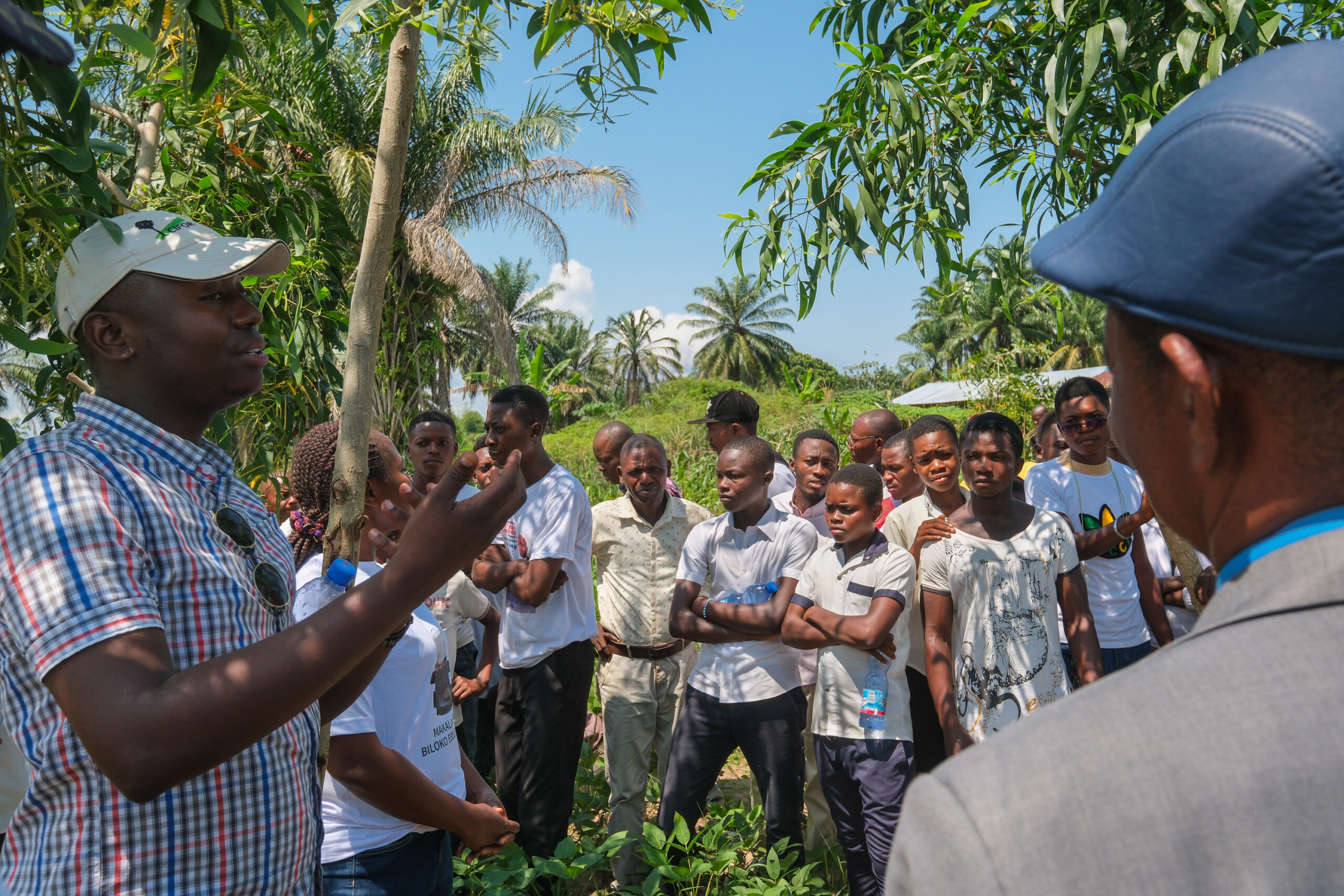
The long-term collaboration between the Center for International Forestry Research and World Agroforestry (CIFOR-ICRAF), mostly funded by the European Commission (EC), and the University of Kisangani in DRC has trained about 60 PhDs and more than 300 MScs over about 20 years.
This is good, but the figures remain a drop in the ocean when compared to the needs, which include proper working and research environments and decent living conditions for both professors and students.
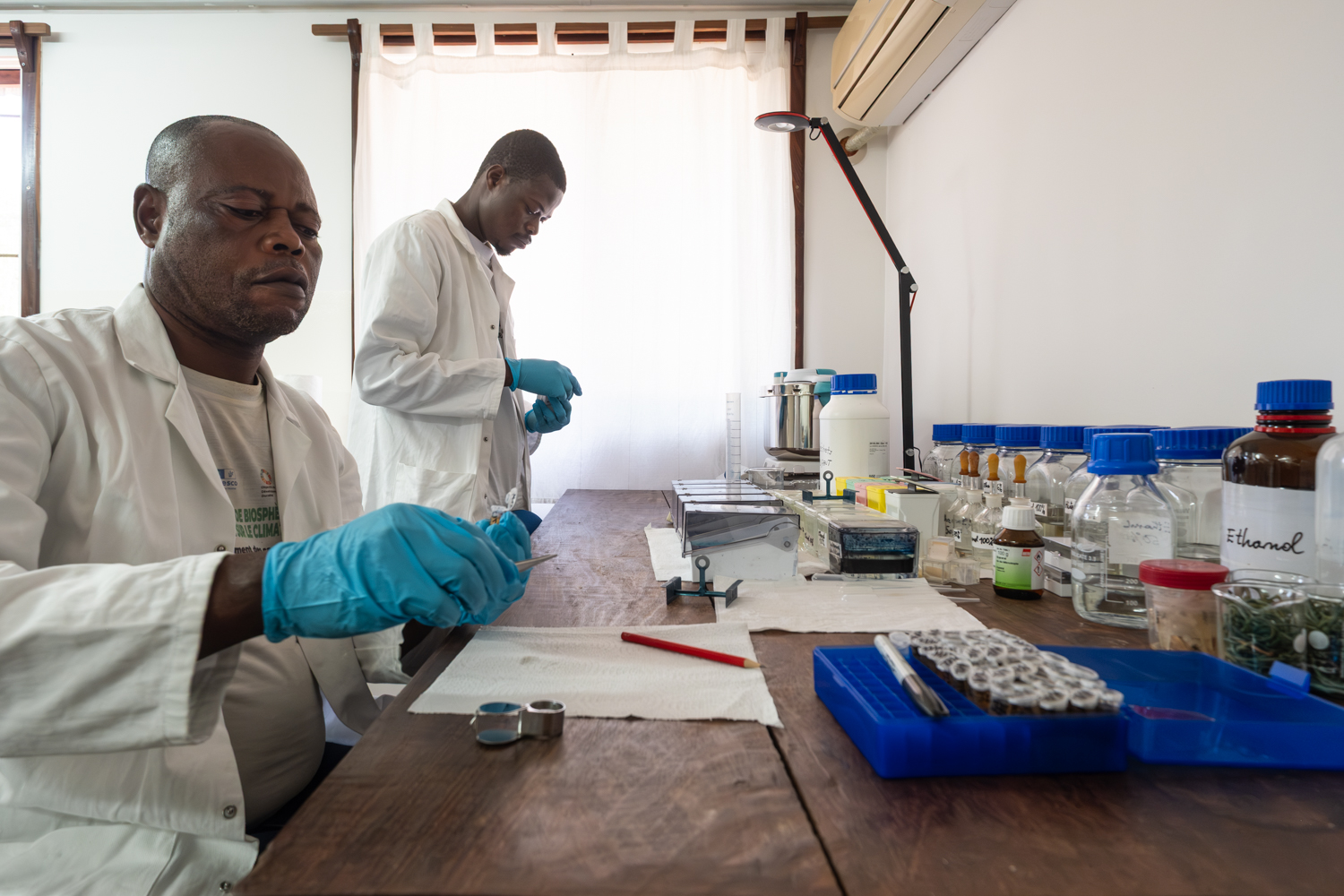
For comparison, Brazil’s Brazilian Agricultural Research Corporation (EMBRAPA), despite recent funding constraints, employs more than 2,400 scientists and operates on a budget of around $900 million. Its equivalent in the DRC, the National Institute for Agronomic Study and Research (INERA), reportedly has around 500 researchers (fewer than 40 percent with MSc-level training) and expenditures of about $7 million.
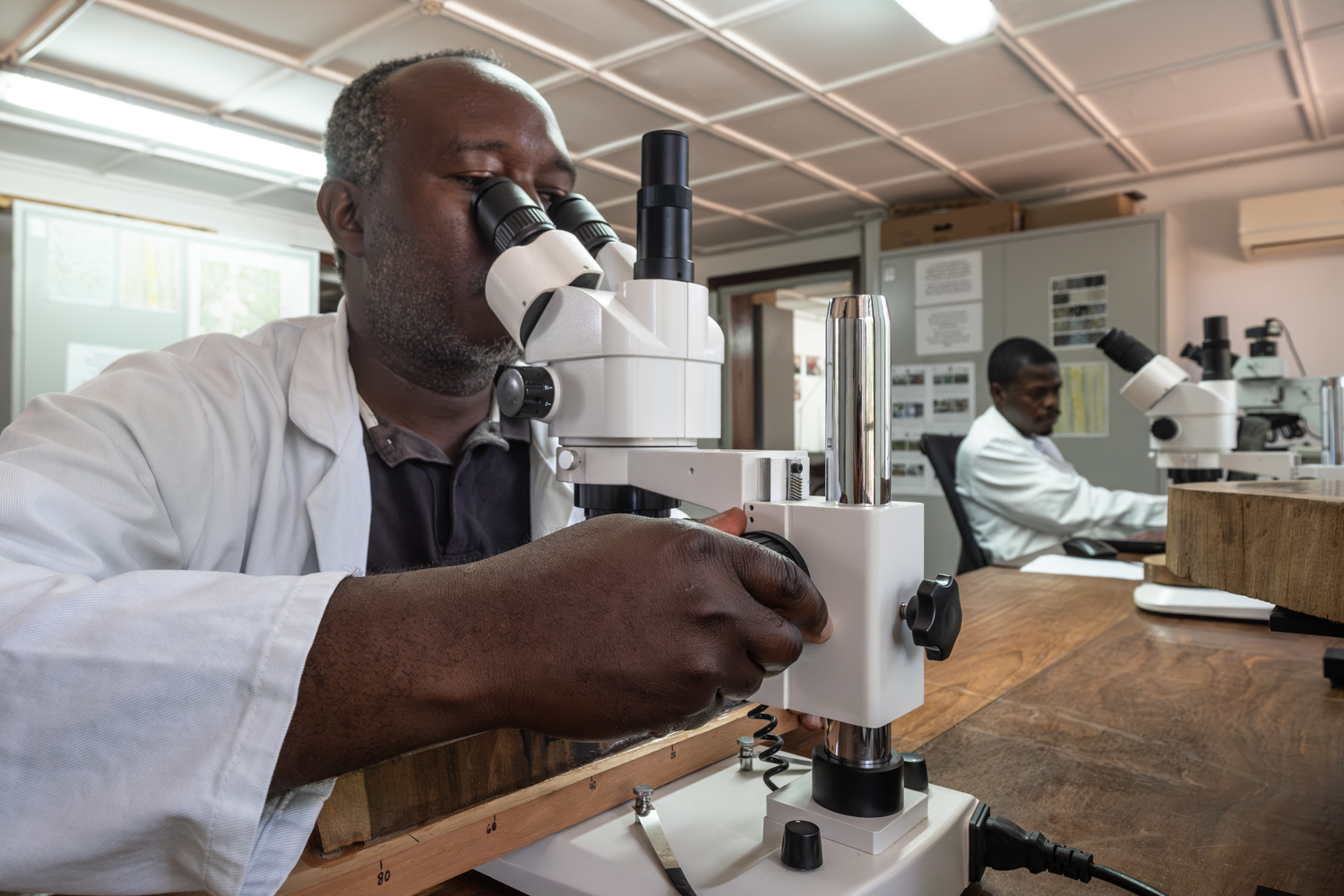
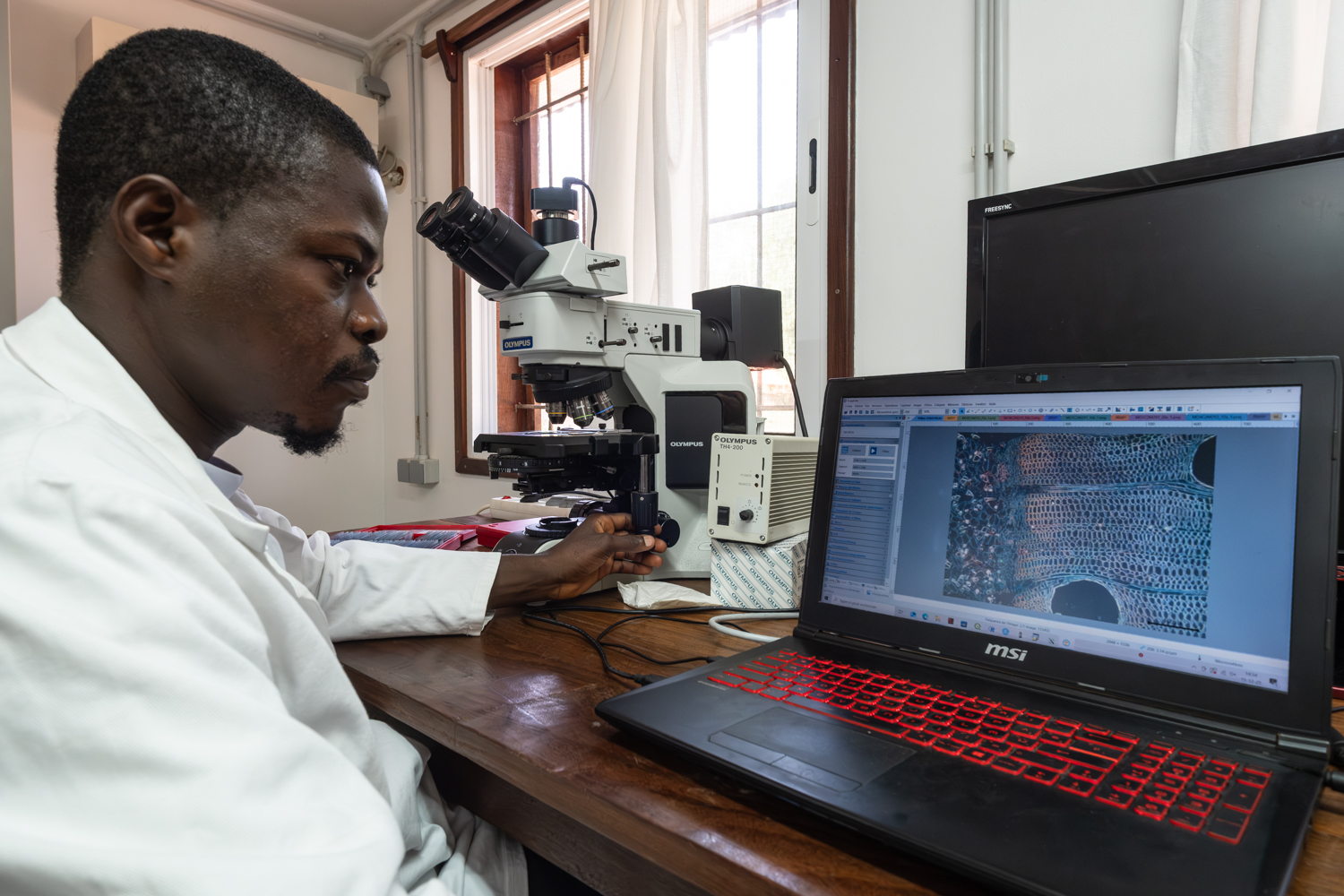
Globally, only approximately 300 scientists worldwide publish on Congo Basin conservation, with just a few dozen based in the region. Faculty salaries are often below subsistence levels, driving the best researchers abroad or into consultancy work for international projects. Universities in Kinshasa, Kisangani, Brazzaville, or Yaoundé lack basic laboratory equipment, reliable electricity and stable internet access.
The result is a dependency trap. International organizations and their national partners produce credible regional-level science, but the national systems that should sustain this work independently are hollowed out. When project funding ends, knowledge generation risks collapsing with it.
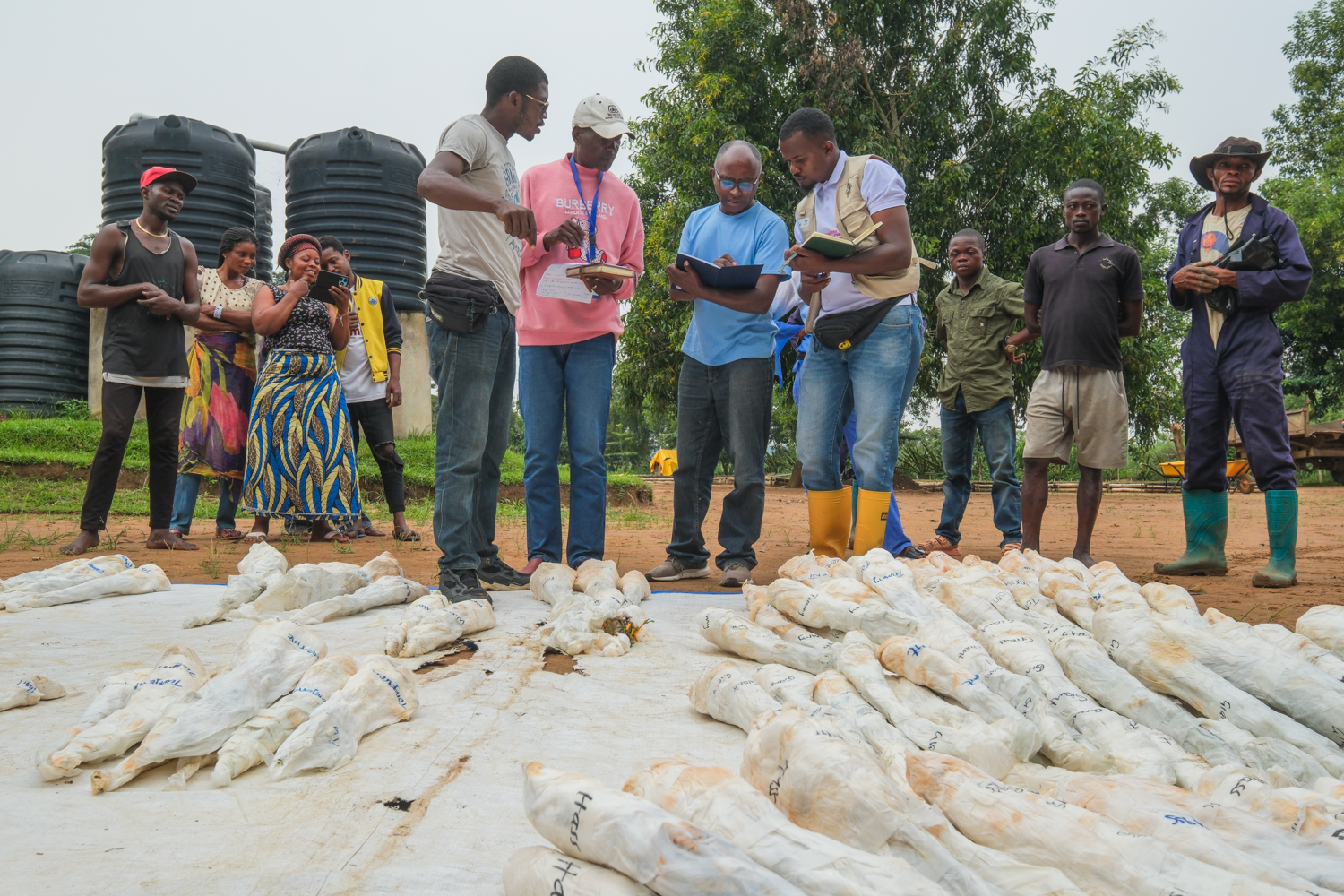
A collection of labelled wood samples used for species identification and research. Forestry archive in Yangambi, Tshopo Province, DRC. Photo by Axel Fassio / CIFOR-ICRAF.
Foreign scientists and international consultants should not be a substitute for national scientists and experts. Yet nationally trained specialists able to run monitoring, reporting and verification (MRV) systems, validate satellite data on the ground, advise communities on sustainable land use and train the next generation remain desperately scarce.
Investing in Congo Basin education and national research capacity is not a development side-project but one of the most urgent forms of climate finance itself.
Diplomatic asymmetry
Diplomatic influence also shapes how resources flow.
Brazil hosted the 1992 Earth Summit, chaired the G20 in 2024 and hosted the 30th Conference of the Parties (COP30) in Belém in 2025 with one of the largest national delegations. It created the Amazon Fund, proposed the Tropical Forest Forever Facility, and consistently shapes the global forest agenda.
Indonesia, as a G20 member and ASEAN anchor, exerts comparable diplomatic influence.
The DRC, by contrast, faces a $48 billion financing gap for its Nationally Determined Contribution (NDC), with 98 percent expected to come from external sources. This reliance gives donors outsized agenda-setting power.
Media invisibility
When the Amazon burned in 2019, the hashtag #PrayForAmazonia went viral. Leonardo DiCaprio pledged $5 million. LVMH donated $11 million. French President Emmanuel Macron placed the issue on the G7 agenda. An online petition surpassed 5.1 million signatures.
No equivalent media event has ever occurred for the Congo Basin.
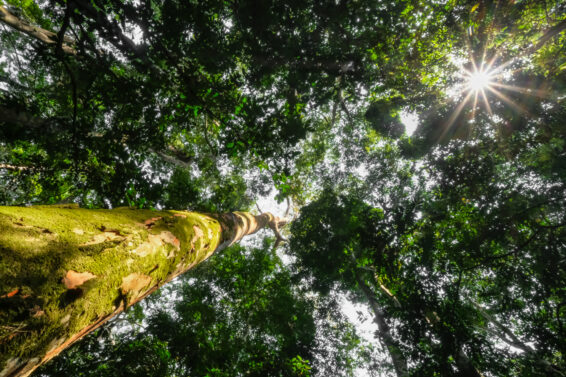
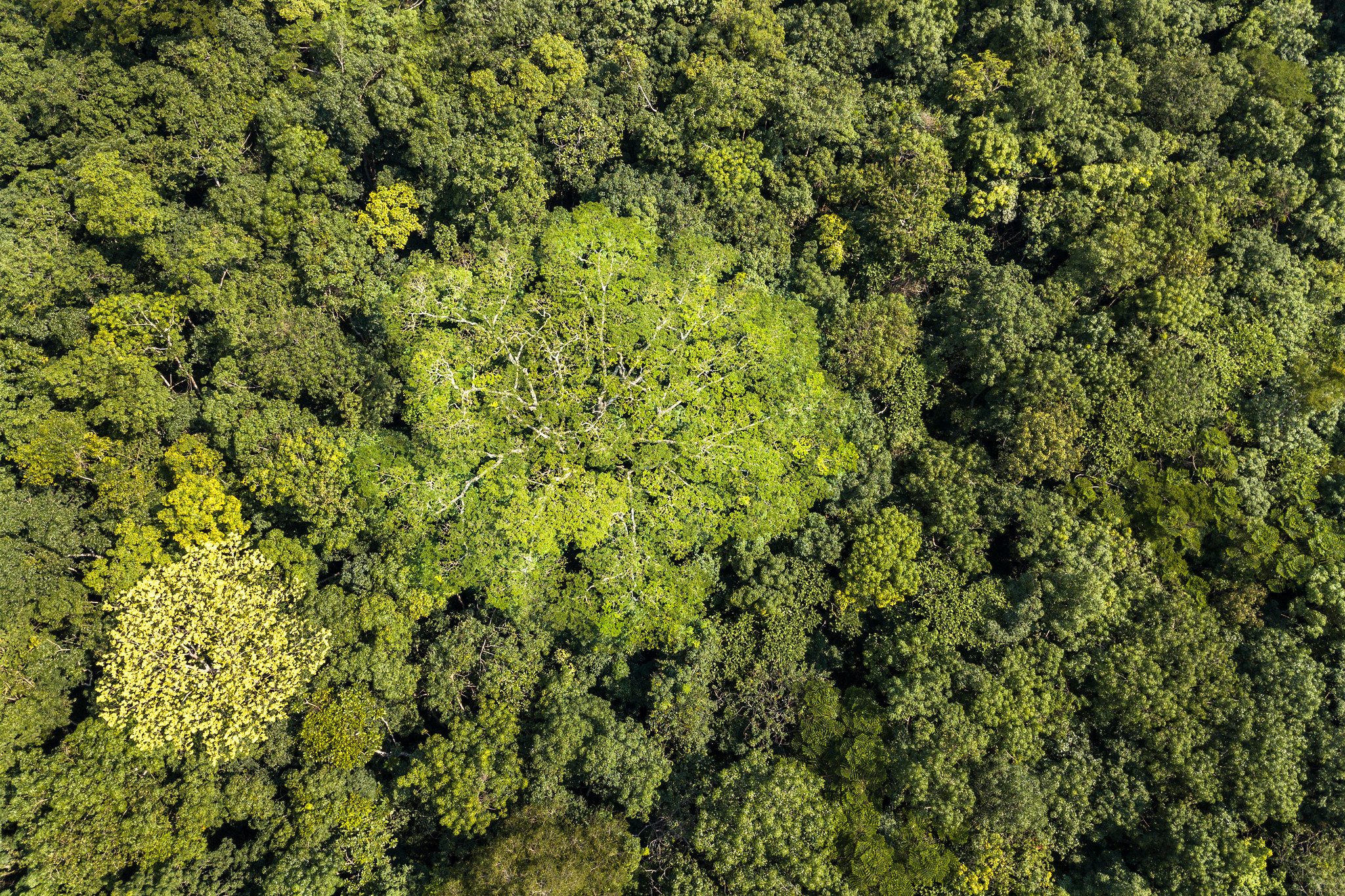
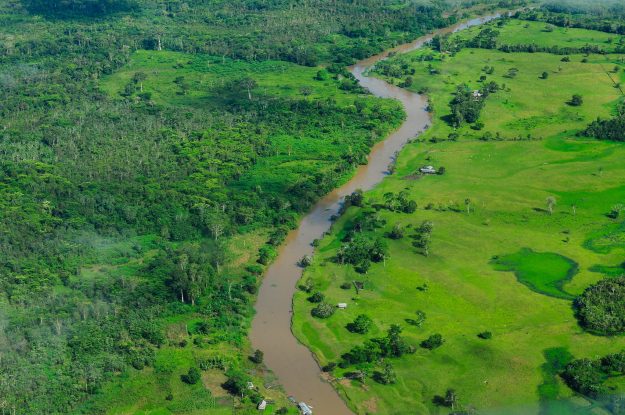
Forest view in Yangambi, DRC. Photo by Axel Fassio / CIFOR-ICRAF
The DRC has been experiencing record annual deforestation of about 0.5 million hectares for several years, yet media coverage remains constantly minimal. Beyond “environmental” news and yet with disastrous consequences on the environment and people’s livelihoods, the coverage of one of the world’s deadliest wars (more than 7 million dead since 1996 and growing) in eastern DRC, in addition to various conflicts in Cameroon and the Central African Republic, remains almost non-existent in international media.
The Amazon is universally branded (albeit incorrectly) as “the lungs of the Earth.” The Congo Basin, which absorbs six times more net carbon dioxide, is occasionally called “the second lungs” — a rather dismissive label with negligible public recognition.
A carbon sink in danger
Strikingly, the Amazon is partially losing its ability to act as a carbon sink. Parts of the Brazilian Amazon have become net carbon sources, emitting an estimated 0.22 billion tonnes of carbon per year. Southeast Asia’s forests crossed that threshold earlier, becoming net carbon emitters during the 2000s and 2010s due to extensive deforestation and peat fires.
The Congo Basin remains the last major tropical forest system that still absorbs substantially more carbon than it releases, estimated at approximately 600 million tonnes of CO2 annually.
But emerging evidence suggests this may be changing.
A December 2025 study by researchers at the University of Leicester found that Congo Basin forests lost an estimated 106 million tonnes of biomass annually between 2011 and 2017, raising the possibility that parts of the basin may already be transitioning from net sink to net source.
The COP30 Science Panel’s landmark assessment warned that the Congo Basin stands at a “decisive crossroads” with perhaps a decade to act. If the Congo Basin follows the trajectory of the Amazon and Southeast Asia’s forests, the consequences for global climate regulation would be catastrophic and irreversible.
The basin also holds the Cuvette Centrale, the world’s largest tropical peatland complex, covering 167,600 square kilometres and storing approximately 29 billion tonnes of carbon. That is roughly equal to the total carbon in the Congo Basin’s above-ground forests, or three years of global fossil fuel emissions.
These peatlands remain largely intact, but the DRC’s controversial 2022 auction of oil and gas exploration blocks overlapping the peatlands signalled how quickly that could change.

Are recent pledges enough?
Since the 26th Conference of the Parties (COP26), the Congo Basin has received unprecedented financial attention.
The $1.5 billion Congo Basin Pledge announced at Glasgow was met and exceeded, with $1.8 billion disbursed by the end of 2023. At COP30, this was scaled to a $2.5 billion Belém Call to Action for 2025 to 2030.
The Tropical Forest Forever Facility (TFFF), designed to pay $4 per hectare for all maintained tropical forest and to correct REDD+’s structural bias, attracted $6.7 billion in pledges at COP30.
These are welcome developments. But they remain inadequate to the scale of the challenge.
The TFFF’s $6.7 billion represents less than a quarter of the $25 billion sovereign capital target needed for full-scale rollout, and a fraction of the $125 billion total ambition. Norway’s $3 billion pledge is conditional on the fund reaching $10 billion by the end of 2026, a target not yet met.
The original Congo Basin Pledge 1.0 also faced criticism for slow disbursements, a lack of coordination and insufficient involvement of Congo Basin governments in its design.
Meanwhile, some of the structural factors discussed above and behind the funding disparity and imbalance remain largely unaddressed. Commodity supply chain connections remain scarce. Scientific infrastructure investment remains a fraction of what is needed. Diplomatic capacity has not been meaningfully strengthened. The media visibility gap persists.
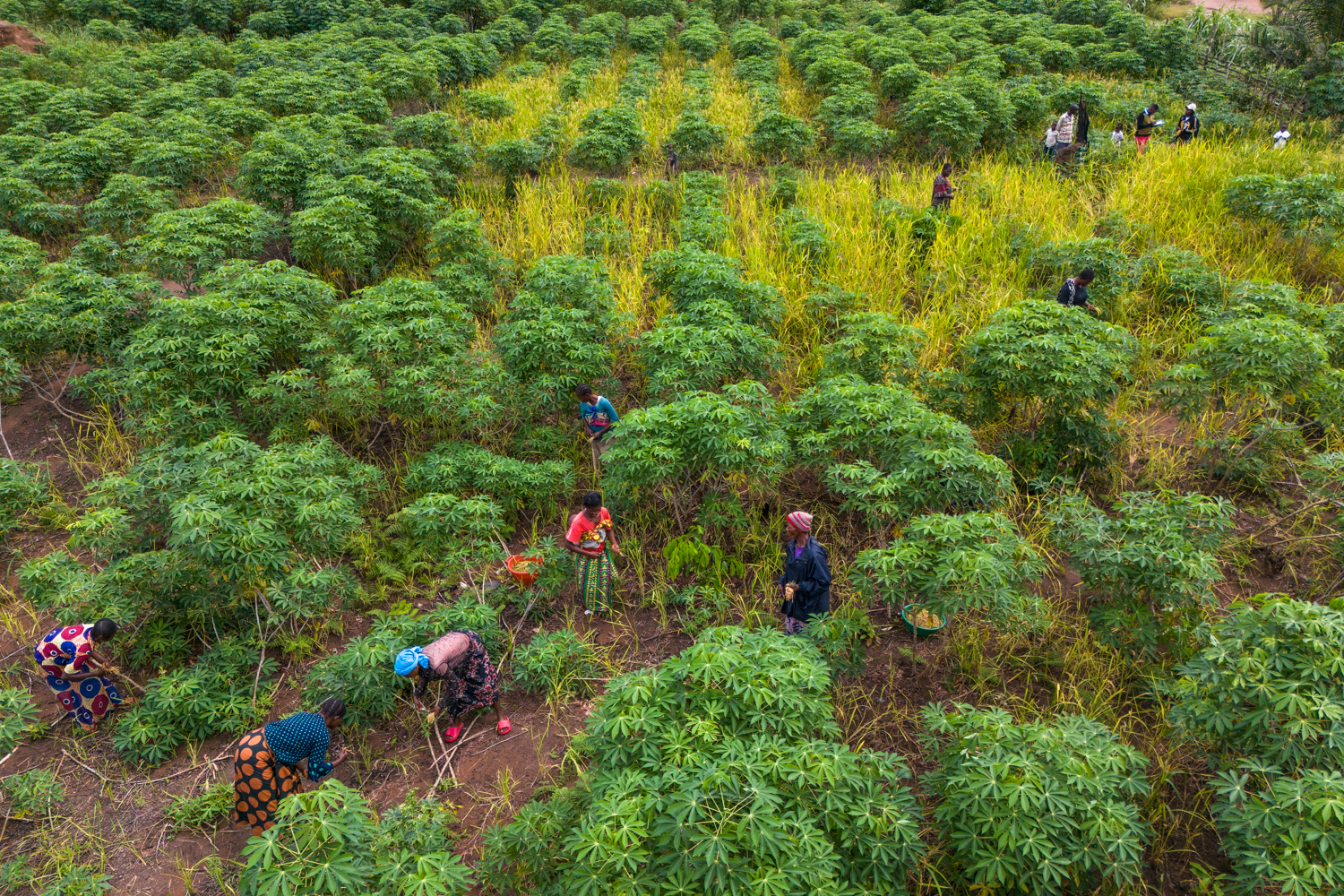
What would a systemic response look like?
Five simultaneous interventions are needed.
First, create commodity-chain equivalents in the Congo Basin through carbon-market development and bioeconomy investment. The World Bank’s February 2026 launch of Strategic Roadmaps for Carbon Markets and Climate Finance for all six Congo Basin countries is a welcome start, even if it remains very early-stage. The EU Global Gateway’s attention to African connection corridors and the Green Corridor initiative in the DRC are definitely a step in the right direction: the hope is that the road from concept to reality on the ground rapidly takes up speed.
Second, fully capitalize the TFFF and high‑forest, low‑deforestation (HFLD) adjusted mechanisms. The per-hectare-maintained approach is the correct conceptual correction to REDD+’s design flaw. It needs to be funded at scale.
Third, treat scientific infrastructure as a first-priority climate finance priority. Without MRV systems, no amount of political will can translate into results-based payments. Papua New Guinea proved this can be done, but it took a decade.
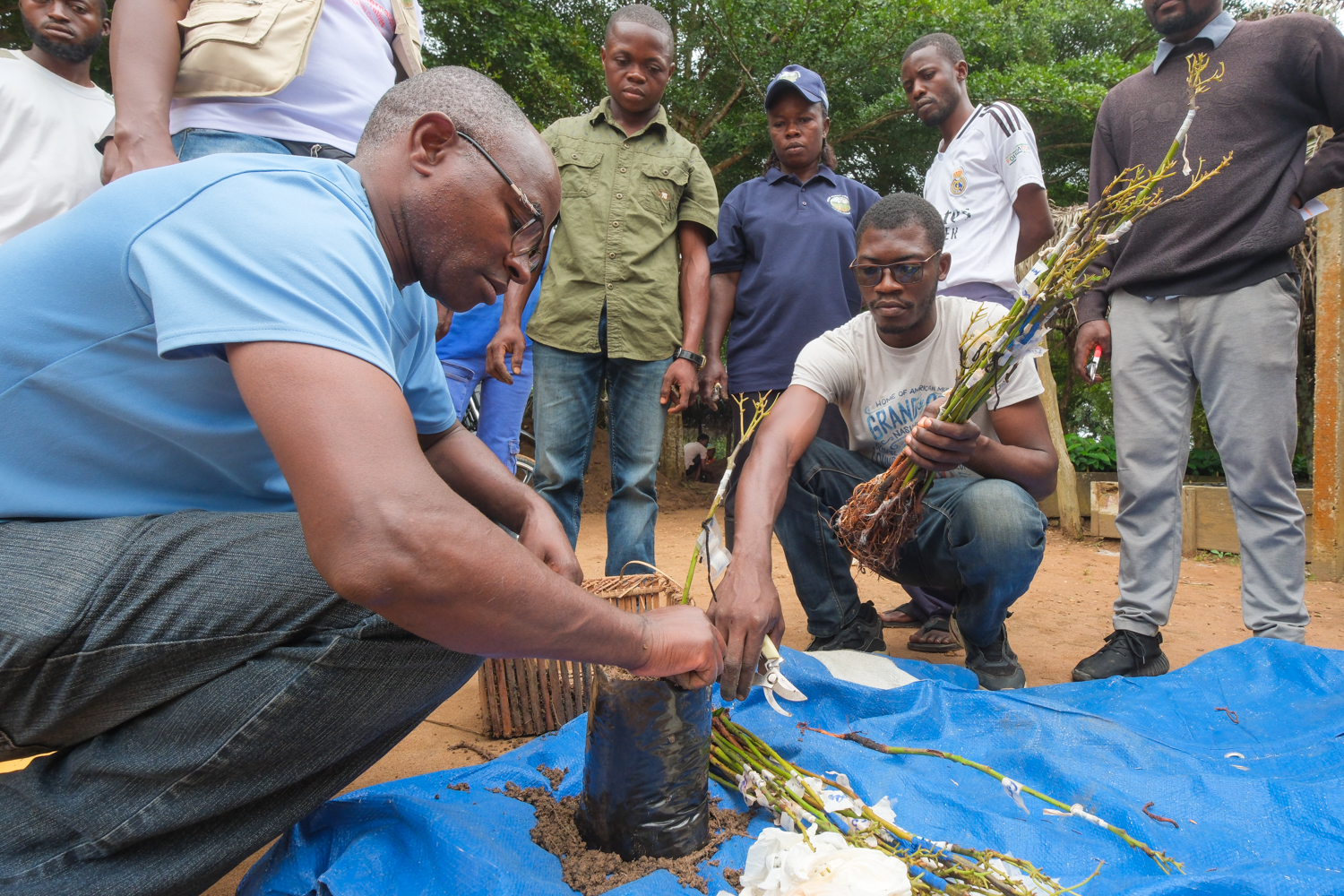
Fourth, build domestic institutional capacity rather than donor-dependent parallel structures. The current model, where international organizations manage funds and set priorities, perpetuates the very dependency it claims to address.
Fifth, price the Congo Basin’s unique value correctly. As potentially the last major tropical forest system still functioning as a net carbon sink, and one whose sink capacity is now endangered, the Congo Basin provides a service that is not merely valuable but irreplaceable. Current funding treats it as a lower-priority version of the Amazon. It should be treated as the world’s most critical standing investment in atmospheric carbon removal.
The arithmetic is not complicated.
The Congo Basin’s carbon removal service is worth $55 billion annually. The world compensates it with roughly $360 million. The gap between those numbers is not just a funding shortfall but also a measure of how badly we have mispriced one of the planet’s most important climate infrastructure assets.
It is not whether we can afford to close that gap, but whether we can afford not to.