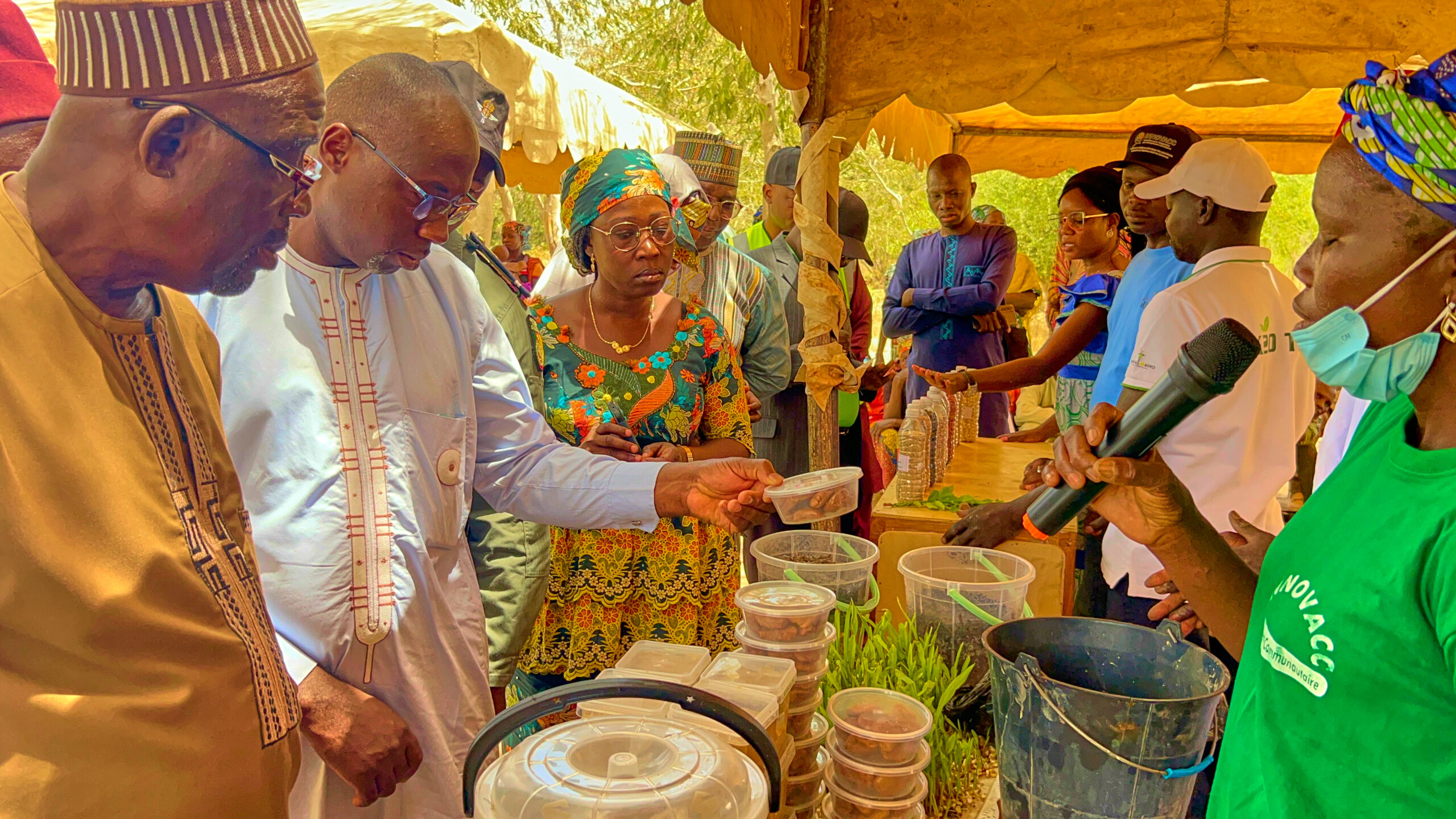


“REDD started to be discussed in 2005, and only now are we really understanding what it is, its risks and our rights. This training is very necessary for our communities. We are very grateful for this event, for you speaking our language, and for us being able to understand,” said one workshop participant.
Carbon markets remain one of the most divisive climate solutions. Jurisdictional carbon programs (JREDD+) are increasingly promoted as a way to scale climate action, align with national commitments, and offer higher integrity than fragmented project-based approaches. Yet, a recent review shows that most definitions of social integrity still fall back on a “do no harm” standard, highlighting the need to raise ambition toward genuinely “doing better.”
Several Brazilian states are now developing JREDD+ systems. Pará — the country’s second-largest state — is one of the most active. Known for high deforestation rates, entrenched land tenure disputes and rural violence, Pará has also served as a testing ground for efforts that link municipal governance with deforestation control.
In 2020, the state launched its Climate Change Policy and the Amazônia Agora State Plan (PEAA), a plan to reduce deforestation while promoting sustainable land use. A year later, its letter of intent to the LEAF Coalition signalled interest in global carbon finance. Backed by Norway funding, Pará has been designing a programme aligned with the ART-TREES standard — a key step to unlocking results-based payments for emissions reductions.
As part of its engagement strategy for JREDD+, Pará brought in three organizations representing Indigenous Peoples and Local Communities (IP & LCs): Malungu, representing quilombola communities — Afro-Brazilian groups descended from settlements established by escaped enslaved people and recognized today as traditional peoples with territorial and cultural rights; CNS, the National Council of Extractivist Populations; and FEPIPA, the Federation of Indigenous Peoples of Pará. These groups have long advocated for rights, including Free, Prior and Informed Consent (FPIC).
However, once the government launched its consultation process in May 2025, gaps emerged. Meetings were formally “open,” but date and location announcements were not widely publicized and often failed to reach communities. Documents were delivered with little time for review. Federal and state prosecutors even issued a recommendation letter urging the government to improve its consultation process.
At the heart of the problem lies a deeper issue: many communities lack accessible information about climate change and carbon markets to make sense of technical documents and JREDD+. Without knowledge in simple and culturally grounded formats, genuine participation is undermined.
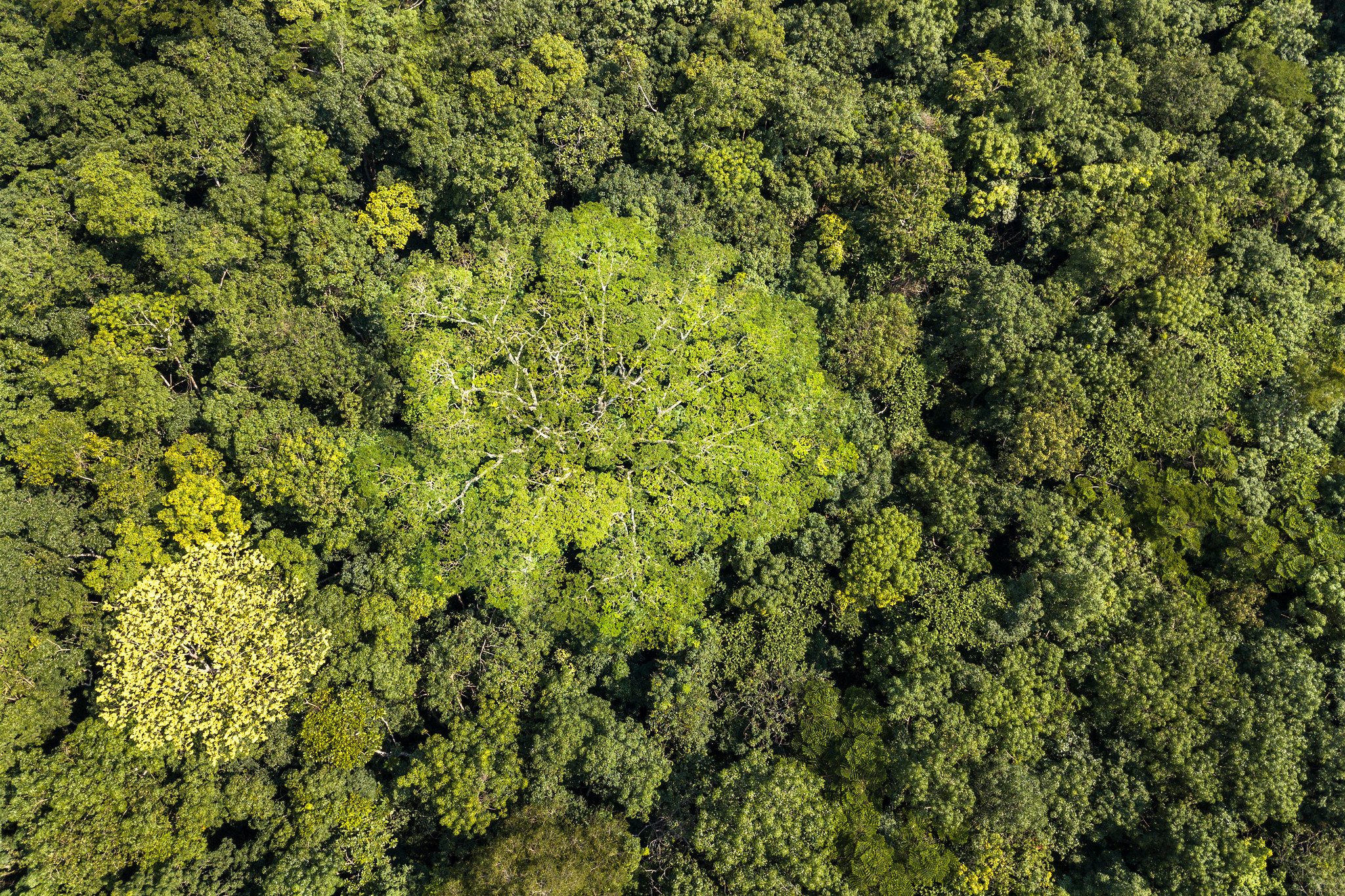
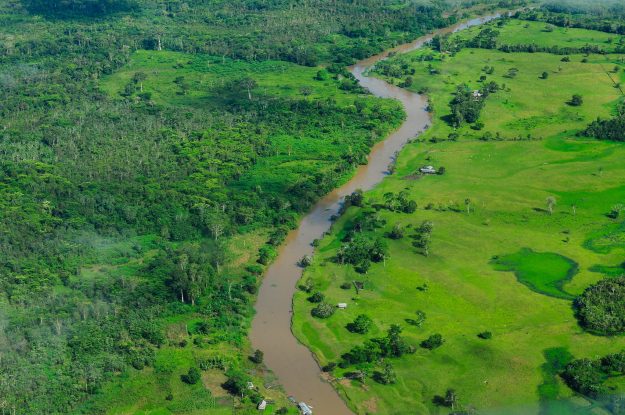
Aerial view of the Brazilian Amazon. Understanding how climate policies unfold on the ground begins with the landscapes that sustain forest-dependent communities. Photo by Neil Palmer / CIAT
Building capacities: A workshop for community leaders
To help address this challenge, the Center for International Forestry Research and World Agroforestry (CIFOR-ICRAF) project “Developing Capacities for Equitable JREDD+” partnered with a quilombola association to design an interactive workshop for local leaders. The goal was to equip local leaders with tools to interpret and share information about climate change, carbon markets and safeguards within their communities — and to prepare them to participate meaningfully in Pará’s JREDD+ consultations.
The first training, held in September 2025 in the riverside town of Abaetetuba,
became more than a technical training. It evolved into a creative learning space where participants experimented, debated and reflected together.
The forest is life
The training opened with a simple experiment: two shoeboxes covered in foil, each holding a glass of water. One box was sealed with tinted film to mimic the greenhouse effect. As temperatures rose, participants watched the water in the sealed box heat up faster.
This tactile demonstration turned an abstract scientific concept into lived experience. Immediately, participants connected it to the realities they face: harsher droughts, longer summers, hotter days and lower river levels. They described how cassava harvests have declined, how health workers report more cases of high blood pressure in hotter months and the difficulty of bathing when water levels fall.
Participants then turned to a central question: What does the forest mean to you?
Their drawings and discussions showed a worldview built on relationality. For quilombola leaders, the forest is not “carbon”. It is food, joy, memory, knowledge, culture and prosperity.
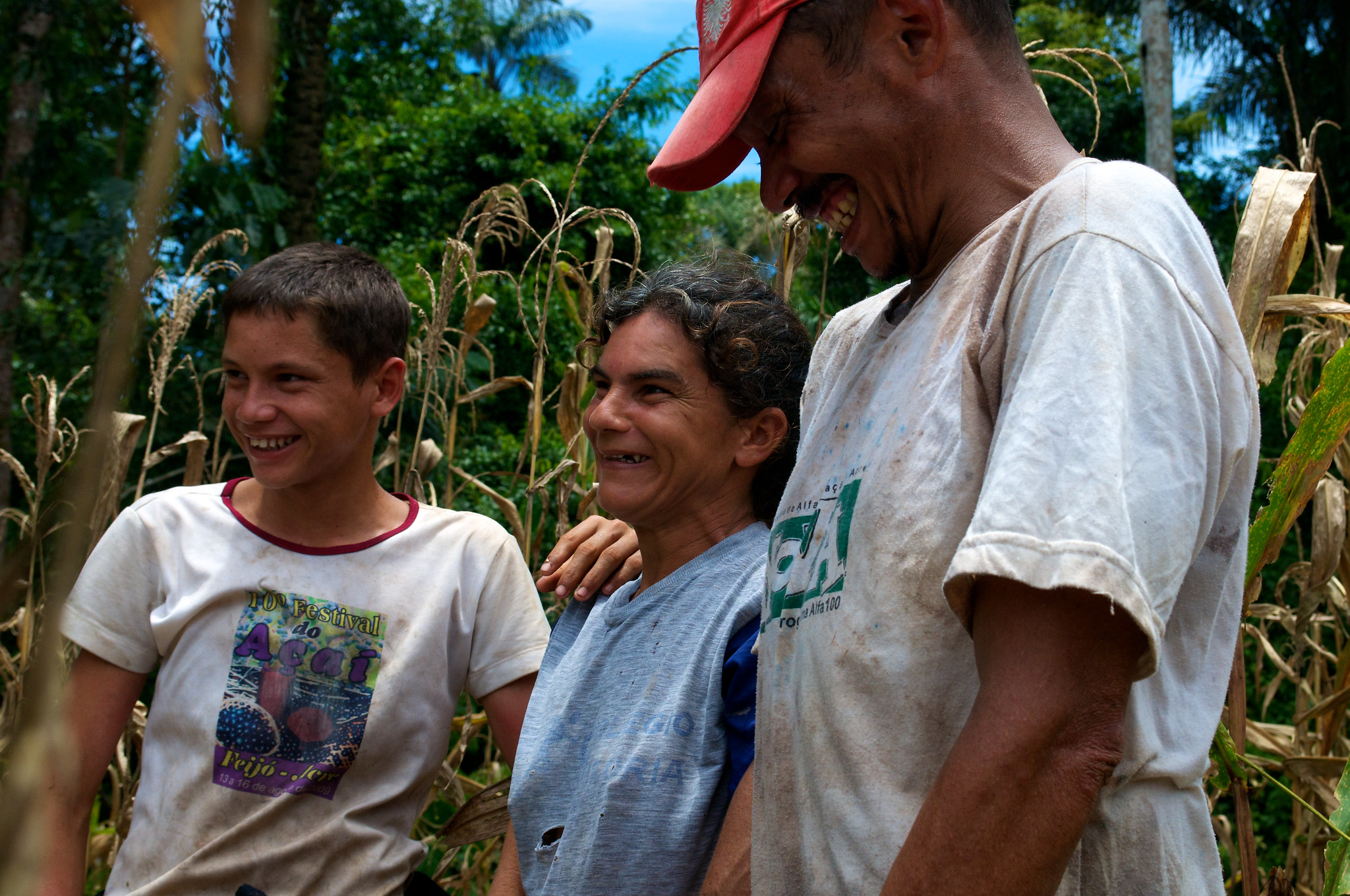

Photo by Icaro Cooke Vieira / CIFOR-ICRAF
A recurring theme emerged: for companies, the forest is business; for the state, it is a financial mechanism; for communities, it is a life project. Yet those most dependent on forests often have the least access to information about decisions shaping their future.
Through videos, drawings, debates and hand-drawn banners, the group mapped the risks and potential benefits of REDD+. They also reflected on safeguards meant to protect their rights and the challenges of making them operational.
From learning to action
On the second day, participants used theatre to explore how a carbon project developer might arrive in their community. The plays blended humour and critique: inflated promises of money, confusion over land rights, unequal benefits and vague explanations of how projects work.
The performances revealed a sophisticated understanding of technical issues, grounded in daily reality. Theatre made those issues tangible, memorable and emotionally resonant.
Participants then examined national legislation on carbon commercialization, including Law 15.042 (December 2024) and reviewed the history of Pará’s JREDD+ programme documents. Official documents were placed on the table. Leaders asked blunt questions:
- How the state call its consultations a Free, Prior, and Informed Consultation if we haven’t received any document to revise yet?
- Why is the state using different methodologies and benefit-sharing percentages than those defined in national law?
- What guarantees exist to protect communities’ rights to land and resources?
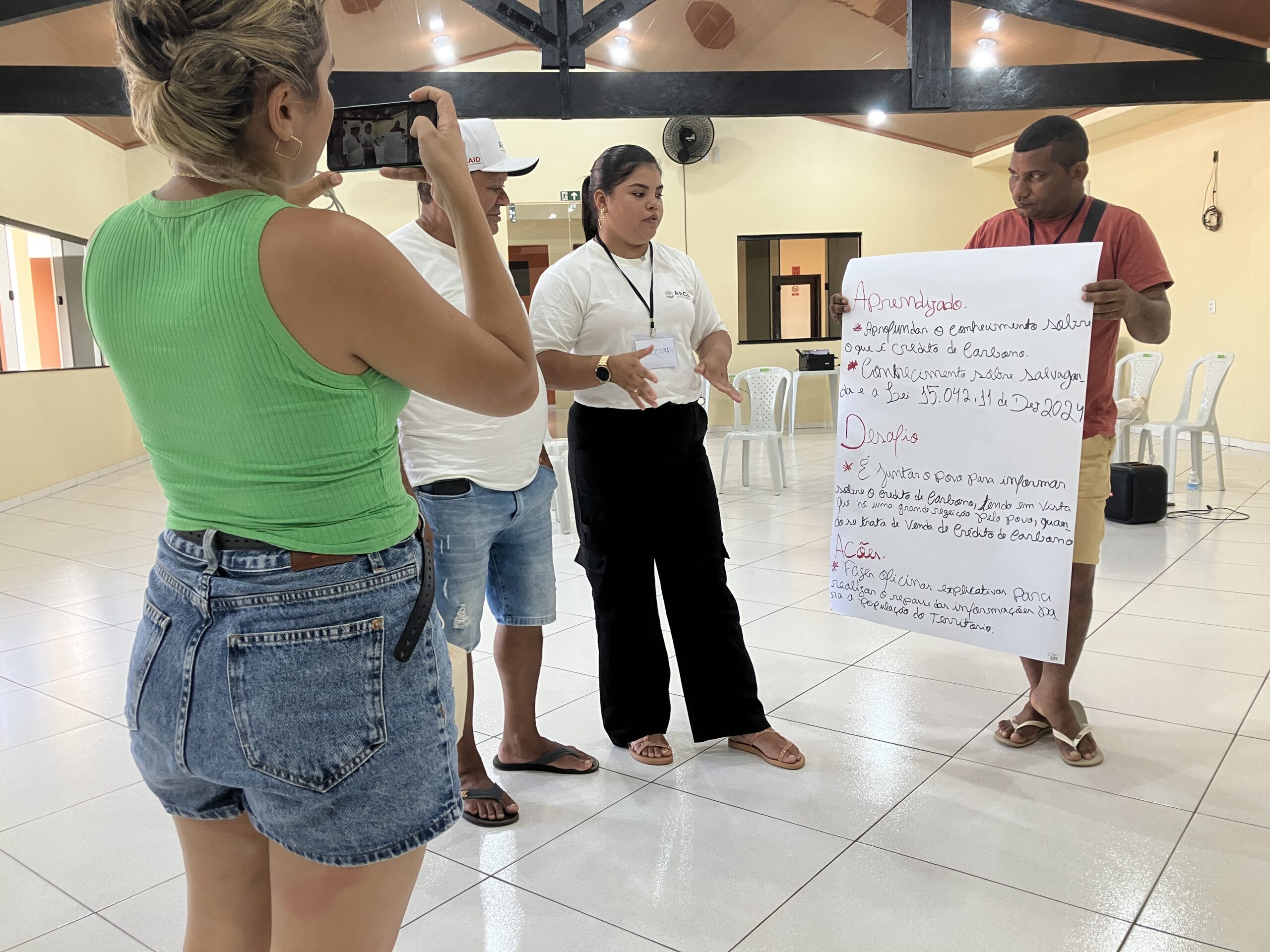
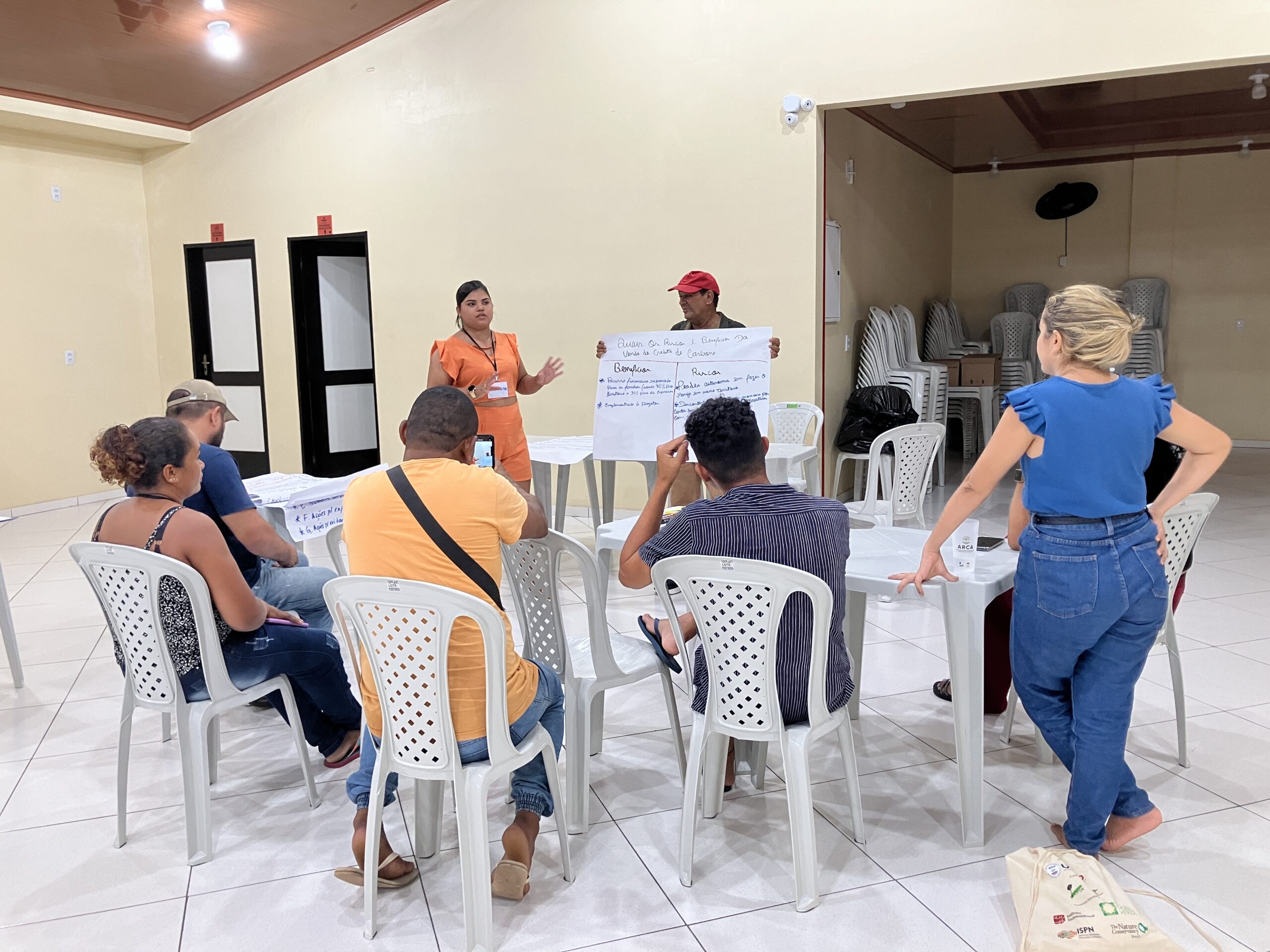
To prepare for real consultations, the group held a mock public hearing. They practised framing questions, raising demands and challenging unclear points. By the end, they had drafted 25 questions for the state, most concerning benefit-sharing, governance and safeguards.
Representation surfaced as a critical concern. Participants asked how communities and social movements would participate in decision-making, monitoring and the management of CAAP — a mixed-capital company created to manage carbon sales without broad public discussion. They also questioned why the ART-TREES Registry and Safeguards System had not been made transparent.
Many expressed doubts about governance more broadly: What guarantees that this time will be different? How can Pará reduce deforestation when it has historically been a leader in forest loss?
Carrying knowledge forward
The workshop ended with group reflections on lessons learned and follow-up actions. Participants emphasized the importance of sharing what they had learned with their families and communities.
“It is necessary to empower families, to have them participate in workshops and capacity-building activities like this one to understand the processes — we need to be the protagonists. It is essential to strengthen grassroots organizations, to explain how it works, where the resources come from or will come from. The greatest challenge regarding JREDD+ is the difficulty of accessing quality information,” said one participant.
Many also praised the methodology — simple language, images rooted in daily life and creative exercises that translated technical jargon into shared understanding.
“This training was a unique opportunity. We usually hear about it from afar, but here it was close and in a way we could understand,” another participant said.
Jurisdictional REDD+ in Pará may carry bold promises, but its integrity depends on whether communities can understand what is at stake, assert their rights, strengthen their organizations and shape their own visions for a just and sustainable territory.
Acknowledgements
This article was produced with support from the Climate and Land Use Alliance (CLUA). The views expressed are those of the authors and do not necessarily reflect the positions of CLUA or its partners.