




If there’s one word Brazil wants the world to learn before the UNFCCC COP30 in Belém do Pará, taking place from 10 to 21 November, it’s mutirão. With Brazil mutirão COP30 becoming a rallying call, the host country is urging the world to embrace the spirit of collective action — rolling up sleeves and working together to turn pledges into real climate solutions.
In Brazilian Portuguese, a mutirão is a collective work party: neighbours come together, roll up their sleeves, to tackle a shared task — whether repairing or cleaning a school, planting crops for a smallholder, or building and clearing a path in the neighbourhood. The tradition is rooted in Indigenous practices across South America, from the Amazon, where it is known as puxirum, to the Andes, where communities call it minka.
With between 80 and 89 percent of people worldwide supporting stronger climate action from their governments, according to a recent global survey, Brazil’s call to elevate this spirit of collective action for the common good to the global stage feels timely.
The idea of a “Global Mutirão” was first introduced through a series of open letters from the COP30 Presidency to the international community. Framed as a shift from pledges to implementation, it is a clear call to coordinate thousands of on-the-ground climate solutions and connect them to the UN climate regime.
What is being proposed?
At the recent SBSTA Climate Talks, the Brazilian Presidency presented an initial concept note. It describes the Global Mutirão as decentralized, bottom-up and self-organizing, rooted in solidarity and practical cooperation. The vision is for the mutirão to serve as an umbrella that maps, convenes and accelerates territorial actions while linking them with finance, data and policy pathways.
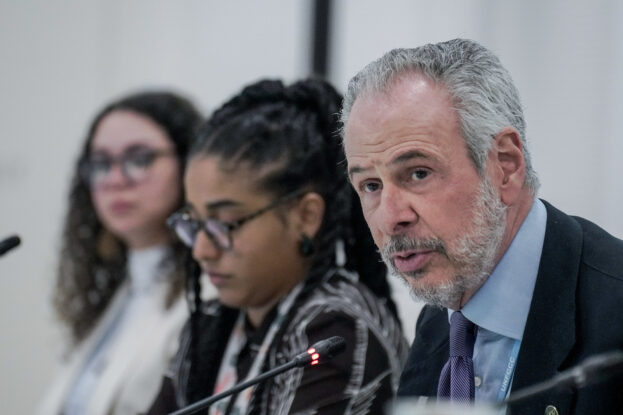
“The mutirão reminds us of our shared humanity and the power of collective action to confront the climate crisis,” said André Corrêa do Lago, Brazil’s COP30 president.
To put this into practice, the Brazilian Presidency has been inviting partners and appointing national and international envoys to champion the mutirão across sectors, from civil society to business and subnational governments, tasking them with catalyzing initiatives and surfacing what can be scaled.
Does it change the usual COP dynamic?
Brazil’s environment minister, Marina Silva, has described the mutirão as one of the pillars of COP30’s negotiating strategy. The aim is not to replace formal decisions but to bridge them with implementation. The concept links directly to delivering on already-agreed global signals: tripling renewable energy capacity, doubling energy efficiency and advancing a just, planned transition away from fossil fuels and deforestation.
Brazilian negotiators have also suggested ways to strengthen global climate governance ensuring commitments are better coordinated and followed through, potentially through discussions at the UN General Assembly, the G20 and other global forums alongside the COP process.
What could success look like in Belém?
By the close of COP30, a successful global mutirão for climate could mean:
- Most Parties are submitting clear, ambitious and actionable Nationally Determined Contributions.
- Defined pathways for finance, particularly for adaptation, forest protection and just support to countries on the frontlines of climate impacts.
- Champions and envoys are named across sectors and geographies, with concrete delivery mandates.
- COP decisions referencing the mutirão and detailing how it supports global targets, including energy transitions and ending deforestation.
- Agreed standards and safeguards for human rights, inclusion and mechanisms for community consent and benefit-sharing.

CIFOR-ICRAF at UNFCCC COP30
A climate COP in the heart of the Amazon 10 – 21 November 2025

What to watch between now and November
Brazil is convening regional dialogues under a Global Ethical Stocktake banner, which the government says aligns with the global mutirão and is designed to bring society’s voice into the official process. Outcomes from these dialogues may shape which initiatives are highlighted in Belém, including those focused on forest governance, land rights and bioeconomy.
At the same time, credibility will hinge on the host country’s own signals. The international community will be watching closely for consistency between Brazil’s leadership at COP30 and its domestic choices on land use, development and energy.
35073383094_a4fe2226f3_k
Where do forests fit in the Brazil mutirão COP30 vision?
For forest countries and communities, the mutirão approach may carry particular resonance. Belém, as the gateway to the Amazon, will spotlight forests, finance and justice as core elements of the “Belém package” — the Presidency’s term for desired outcomes spanning adaptation, mitigation, just transition, gender and forests. Brazilian negotiators have stressed that ambition will be measured by how far these strands advance together.
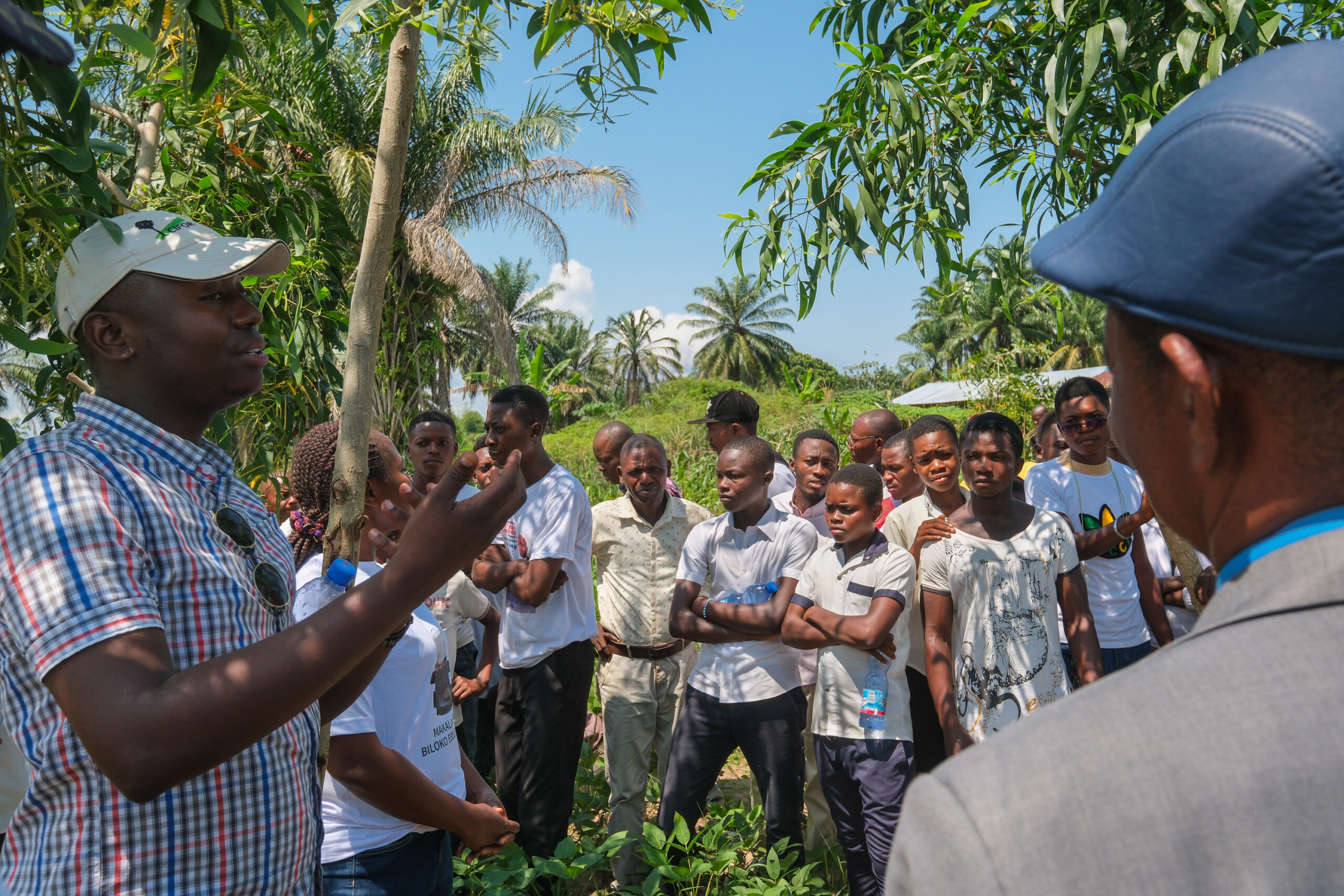
“The mutirão approach resonates with farmers, foresters, smallholders, local communities and Indigenous Peoples — billions worldwide whose stewardship of climate and natural resources must be recognized and supported. They are at the heart of locally owned, nature-based solutions such as community forestry, agroforestry and socio-bio-economy initiatives that advance food security, adaptation and forest restoration,” said Vincent Gitz, director for Latin America at the Center for International Forestry Research and World Agroforestry Centre (CIFOR-ICRAF).

For forest stewards and practitioners, joining the mutirão movement would mean arriving in Belém with clear, bottom-up, inclusive proposals ready to integrate into national plans and global pathways, turning pilot projects into policy and action. In Pará, CIFOR-ICRAF is partnering with small producers to test and scale agroforestry models that improve livelihoods while restoring landscapes.
“The idea is that everyone can contribute within their own capacities, as long as they understand the direction and move forward independently,” said Brazil’s COP30 President at the recent Climate Week in New York.
The question now is whether we can all show up in Belém and do the work. If negotiators, advocates, and communities manage to connect these urgent dots across landscapes, jurisdictions and ministries, mutirão may well become the defining climate word of the year.