

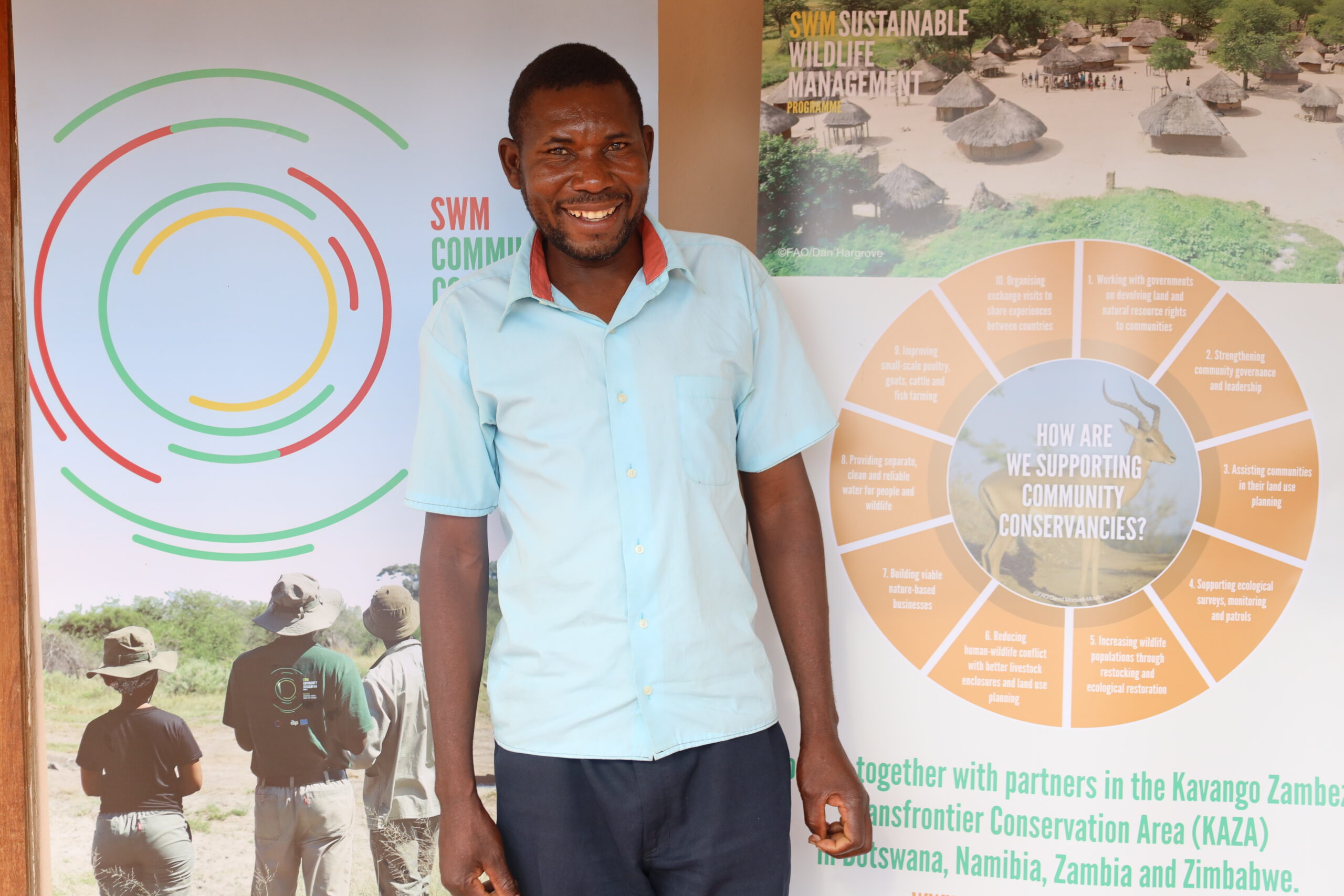
For nearly 25 years, Elliot Mudenda relied on hunting to support his family in Nyawa Chiefdom in southern Zambia. He had started as a farmer, but recurring droughts gradually made farming unreliable and unproductive.
With few alternative income options available, hunting became a means for survival.
However, Elliot knew the risks — the predawn darkness. The hours spent tracking game through the bush. The constant threat of wild animals. The fear of running into game rangers who could arrest him or getting injured.
“I never stopped caring about wildlife,” Elliot says, understanding his path was unsustainable. “But, I also had to survive.”
Today, Elliot has stopped hunting. Instead, he manages fish ponds as a member of the Sianyongo Fish Farming cooperative. The shift represents more than a change in occupation — it is part of a broader experiment in whether conservation can succeed by offering people viable economic alternatives.
The Sustainable Wildlife Management Program (SWM), funded by the European Union and implemented by the Center for International Forestry Research and World Agroforestry (CIFOR-ICRAF) and partners, is built on a simple principle: conservation cannot succeed where livelihoods fail.
When farming fails
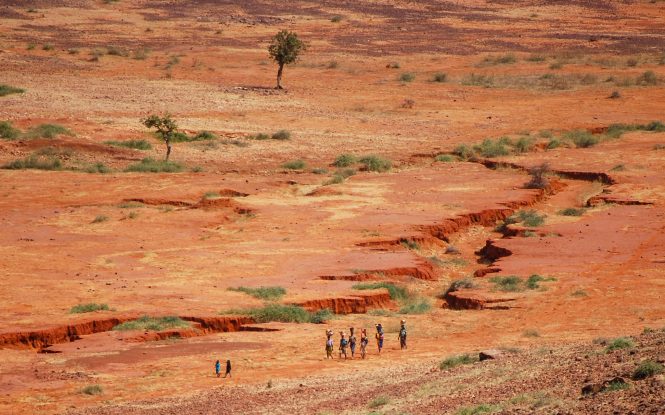
Elliot’s experience reflects a familiar pattern across much of rural Zambia, where climate variability has made rain-fed agriculture increasingly unpredictable. He started as a farmer, but when the rain stopped coming reliably in the early 2000s, his yields dropped. With few alternatives and a family to support, he turned to what the forest could provide. He continued hunting for years, despite understanding the risks.
When CIFOR-ICRAF under SWM began working in Nyawa in 2022, Elliot saw an opportunity for change. “I was looking forward to the alternatives SWM was bringing to us,” Elliot explains. “We needed safer and more reliable ways to earn a living.”
Building alternatives: Fish farming and community assets
The initiative supported communities in Nyawa Chiefdom to establish and develop nature-based enterprises, including aquaculture, beekeeping and goat rearing. The Sianyongo Fish Farming Cooperative, established in 2024, emerged from these efforts.
Beyond the construction of fish ponds, the programme installed submersible pumps that support pond management, doubling as community water infrastructure and improving community water access. Previously, many households had to walk long distances to collect water. Now, water access is closer and more reliable.
Elliot also benefited from a livestock spray race — a facility that helps prevent tick-borne and other livestock diseases, keeping cattle healthy. Importantly, the spray race also functions as a community enterprise, generating income while strengthening local ownership.
These investments reduce vulnerability and create lawful, lower-risk income streams.
Community members harvest fish from a communal fishpond in southern Zambia. Photo by Edward Banda / CIFOR-ICRAF.
The governance gap
Experience in Nyawa and elsewhere has shown that forming cooperatives is only part of the solution. In practice, many groups initially functioned more as recipients of support rather than as structured businesses. They lacked governance systems, financial discipline and market orientation. Without strong management, the enterprises struggled and when incomes remained low, some members drifted back toward illegal activities.
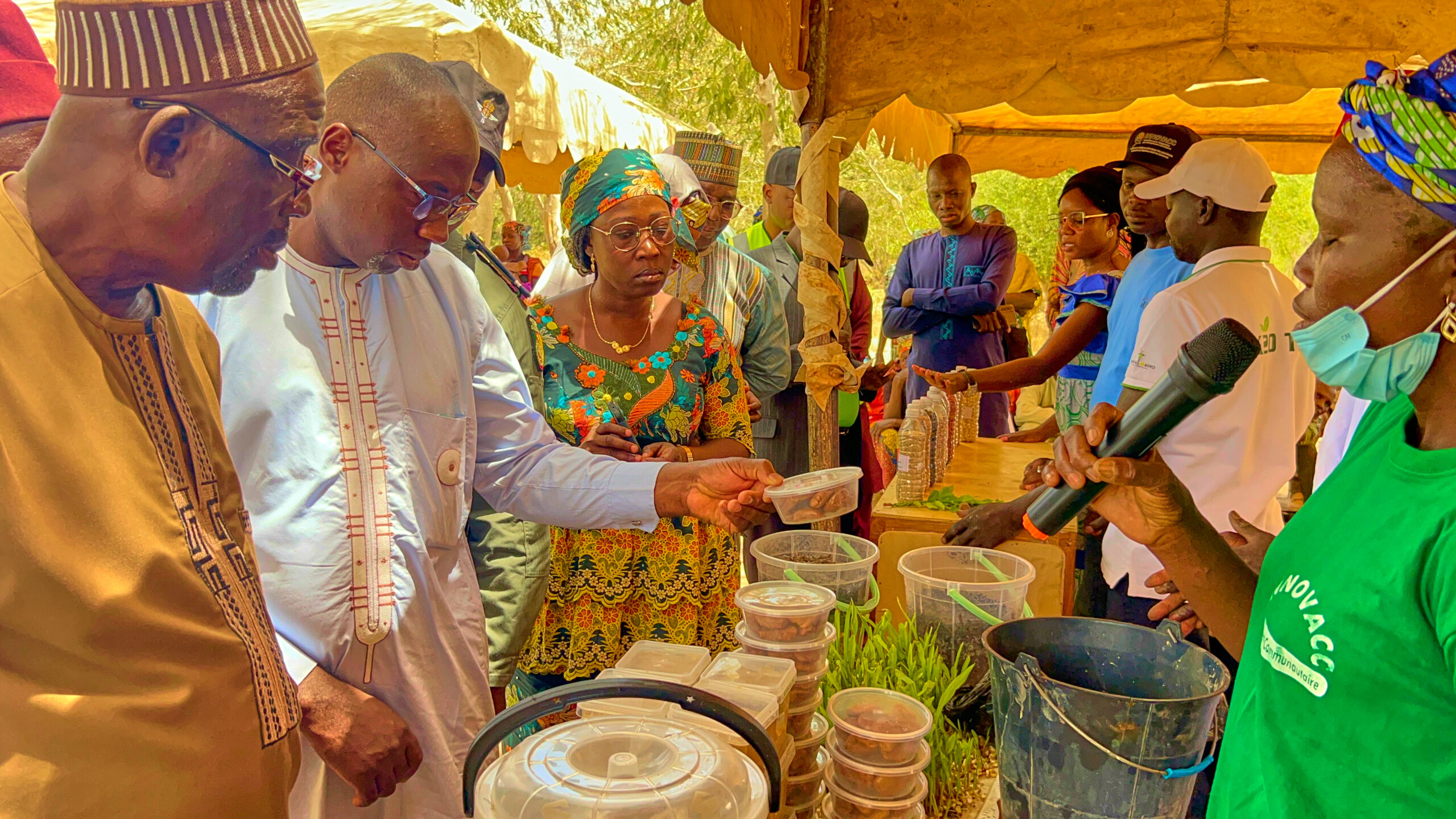
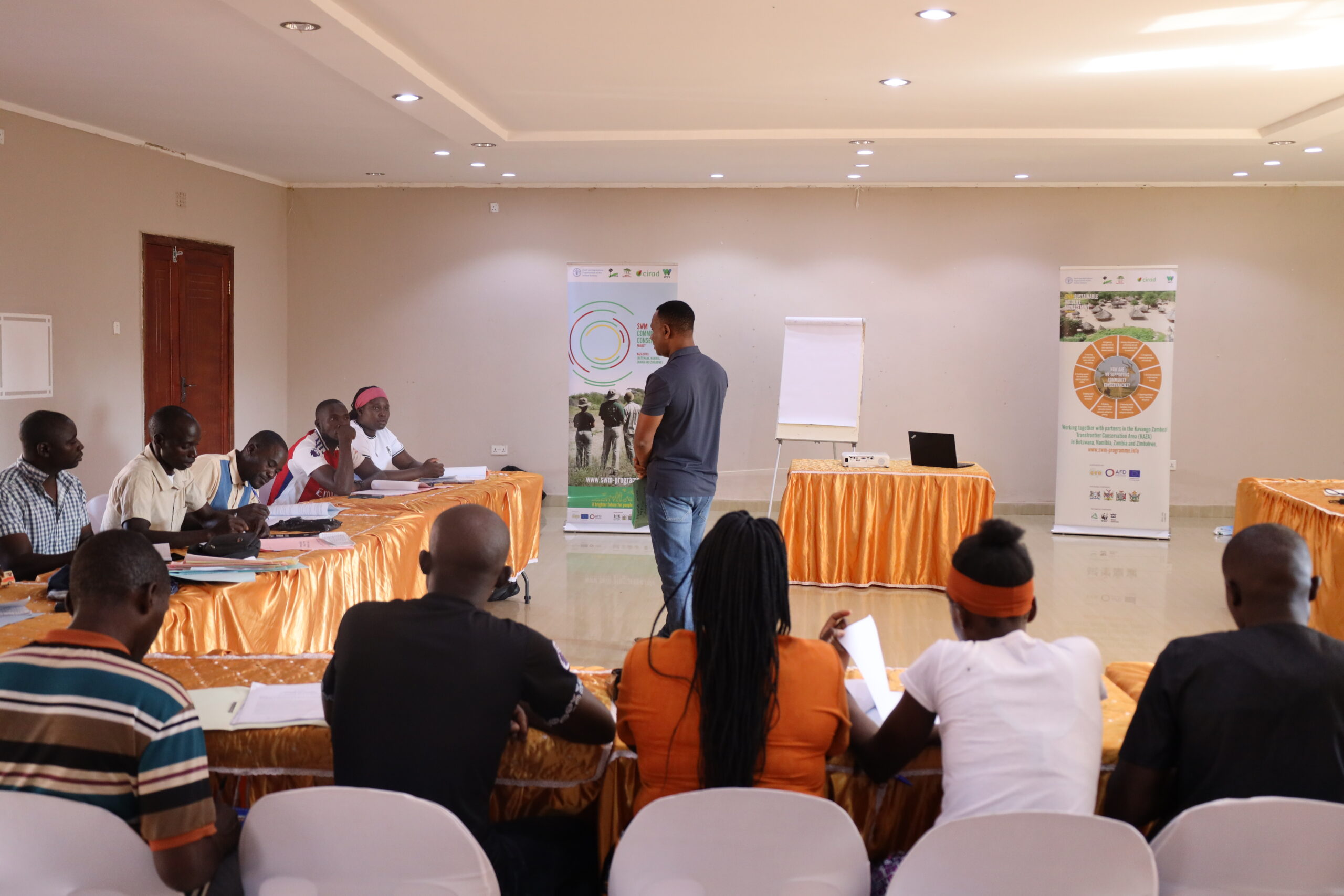
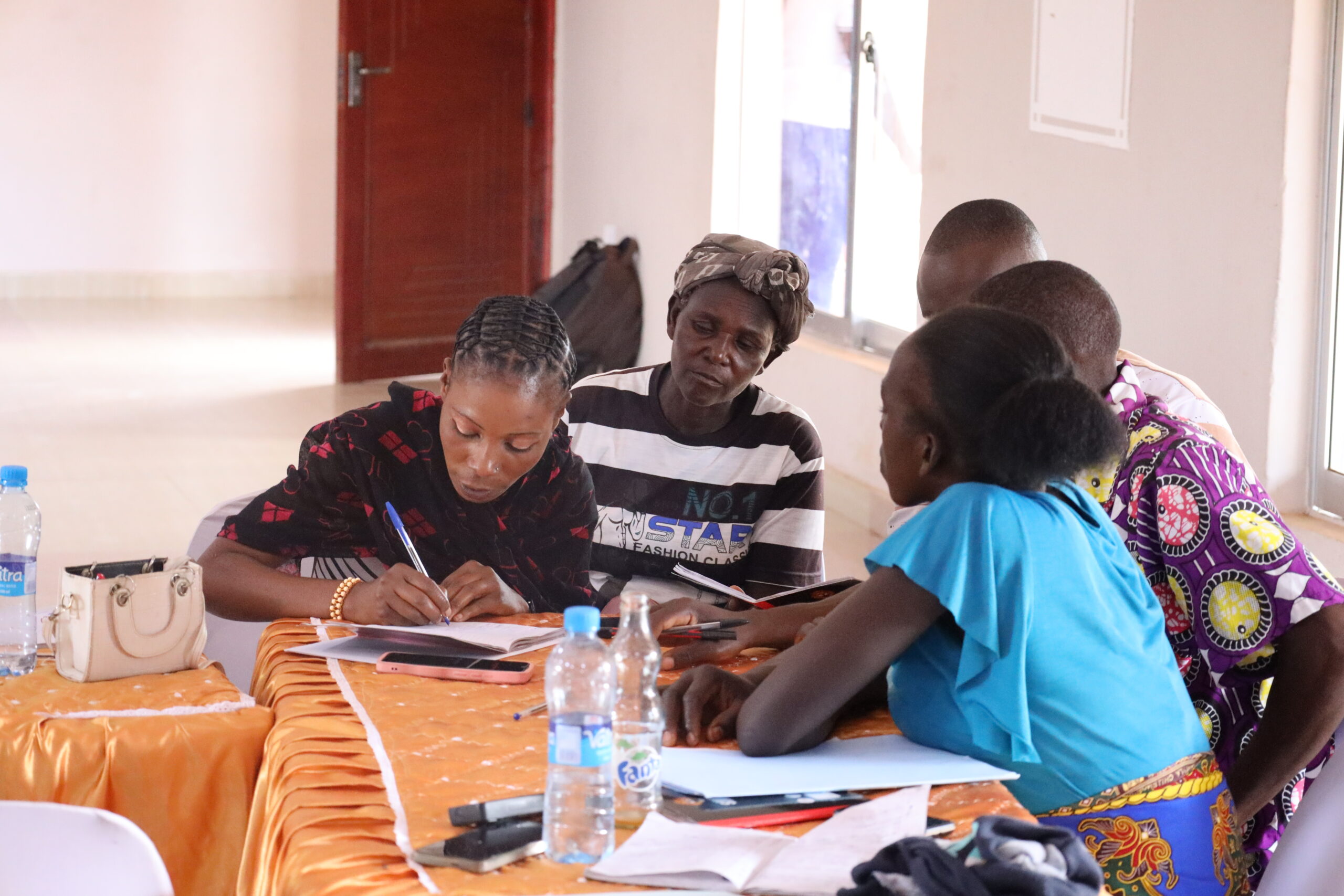
To address these gaps, CIFOR-ICRAF partnered with Zambia’s Ministry of Small and Medium Enterprises Development to deliver a five-day enterprise development training in Zimba District for cooperatives from Nyawa Chiefdom.
The curriculum covers business development, value addition to products, marketing, financial management and access to finance. Its objective is to reposition cooperatives as functioning enterprises capable of sustaining themselves beyond initial project support and so becoming engines of local economic development. Social Safeguards Consultant Daniel Phiri, who helps facilitate the training for CIFOR-ICRAF, says the emphasis is on long-term sustainability.
“We are trying to create a change culture,” Phiri says. “In the past, communities would start activities like fish farming, but without strong business systems, they would not last. Now we are strengthening how these enterprises are managed so they become sustainable.”
Learning the rules of Collective enterprise
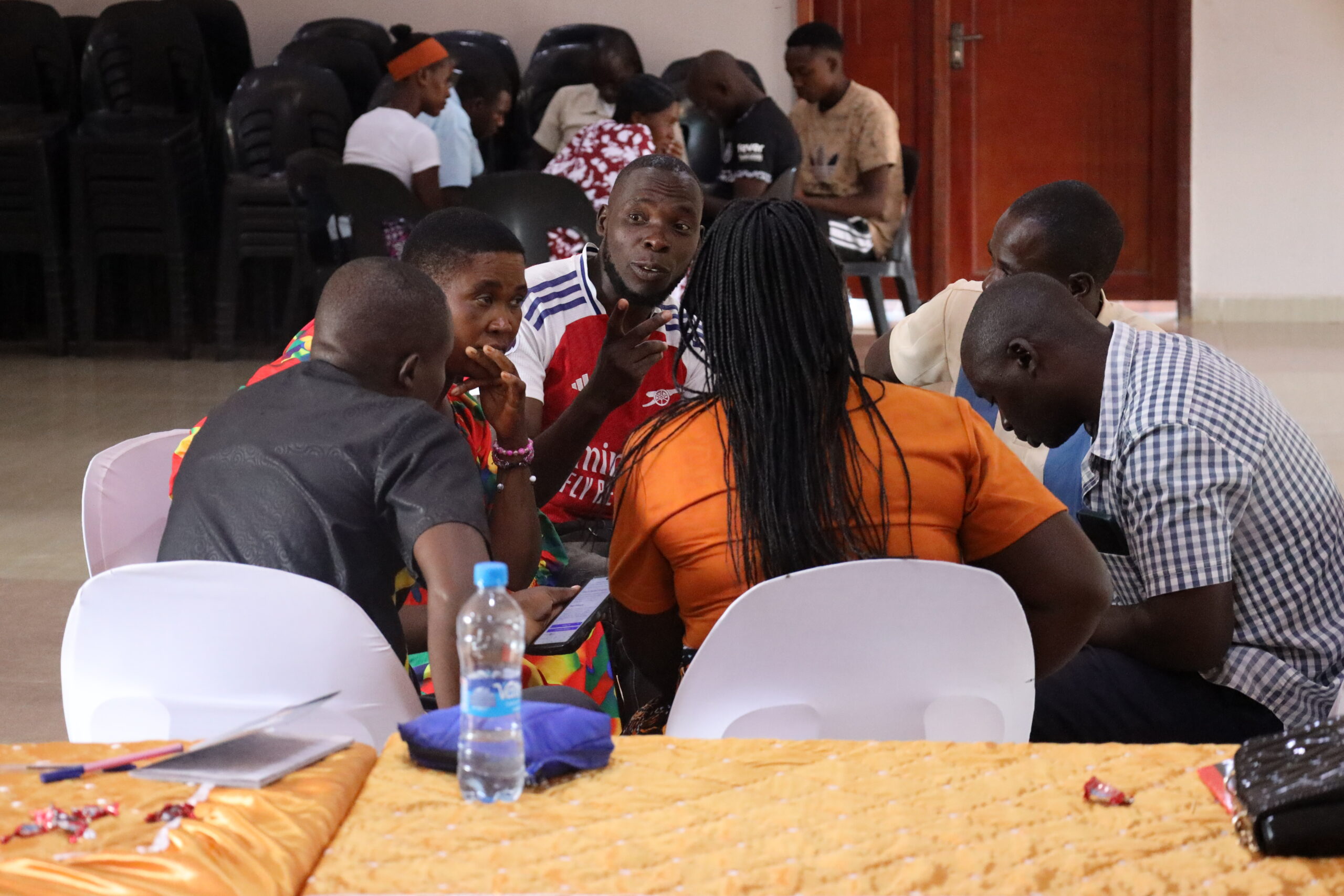
For Elliot and his fellow cooperative members, one of the most eye-opening parts of the training has been cooperative governance.
Before the training, many members were unfamiliar with how to use cooperative by-laws, how leadership should be held accountable and how decisions should serve members’ interests. Governance gaps sometimes led to poor decisions and weak performance.
“We did not understand the bylaws properly before,” Elliot admits. “Now we know how leadership should work, how members can question decisions and how we can improve the cooperative.”
The training also covers how to access financing through government programmes like the Constituency Development Fund and the Citizens Economic Empowerment Commissions —resources many had never known how to access.
Conservation through viable livelihoods
What is happening in Nyawa Chiefdom shows that effective conservation requires more than patrols and penalties. When communities have functioning enterprises, access to markets and business skills, the incentive to return to illegal or unsustainable activities declines.
Strong cooperatives create more than income. They build local ownership, strengthen governance and offer families the possibility of planning beyond the next harvest.
The programme plans to replicate the training model in Musokotwane Chiefdom next.
For Elliot, the shift is already concrete. He no longer relies on hunting. Instead, he manages fish ponds as part of the Sianyongo Fish Farming cooperative and participates in building a more structured, accountable enterprise.
His experience illustrates a central premise of the Sustainable Wildlife Management Programme: when viable livelihood options exist and are well managed, conservation becomes not only a policy objective, but a practical choice.