

The Philippines is home to one of the world’s largest and most powerful forest raptors: the Philippine eagle (Pithecophaga jefferyi). However, over the past decades, the species has been edged closer to extinction. Through one of its newest projects in the Philippines, the Center for International Forestry Research and World Agroforestry (CIFOR-ICRAF) and its partners are reinforcing why biodiversity conservation requires seeing beyond a single species and its habitat and working with the people who live alongside them.
What makes the Philippine eagle valuable?
Endemic to the Philippines, the Philippine eagle is a rare bird species that lives in forests up to 2,000 metres above sea level, often in steep terrain. It usually builds its nests in large, towering native dipterocarp trees, such as white lauan (Shorea contorta). It can also sometimes be seen in secondary growth and riparian forests, though not in open-canopy forests, where the risk of conflict with people may be higher. Its usual prey include monitor lizards, snakes, bats, palm civets and monkeys, which are also commonly found in these forests.
The raptor is also considered an ‘umbrella species’ because of its large habitat needs. Protecting the Philippine eagle also helps protect smaller, less-mobile species that share its habitat. As an apex predator, meaning it sits at the top of the food chain and has no natural predators of its own, it helps prevent some prey species from becoming too abundant, helping maintain balance in forest ecosystems. This makes the Philippine eagle a flagship species for biodiversity conservation in the Philippines.
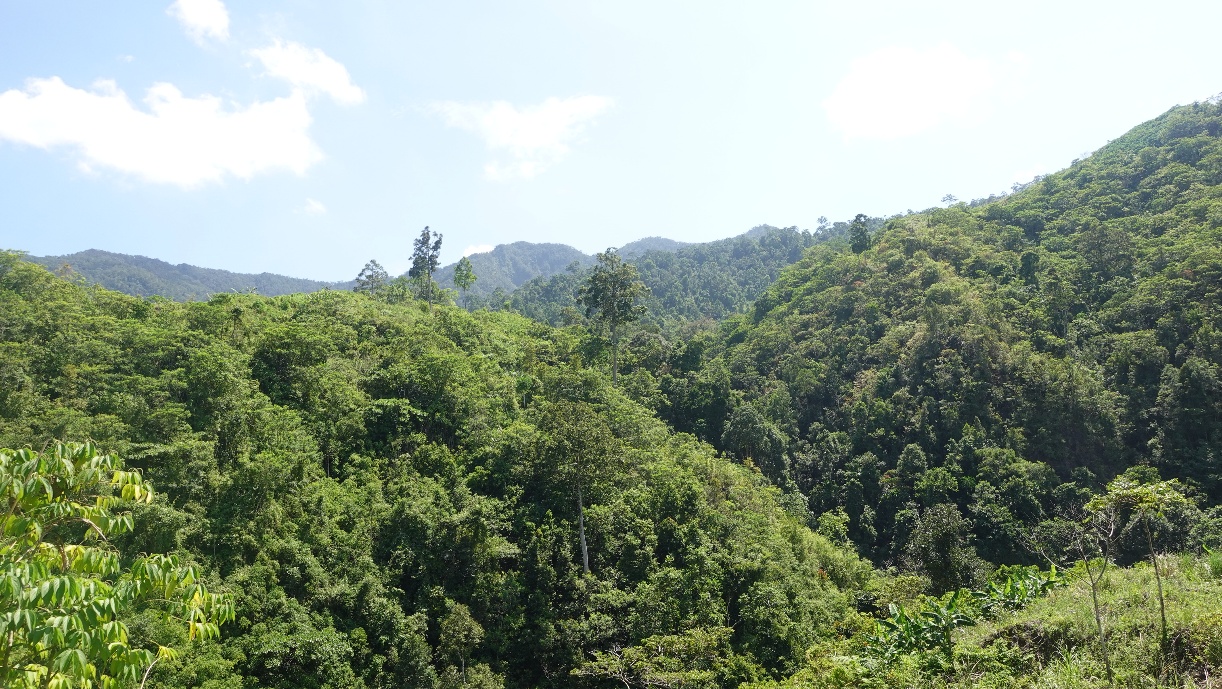
Conserving the Philippine eagle means protecting its habitat, including by rebuilding forests with native tree species. In return, healthy forests support more stable ecosystems.
Officially declared the Philippines’ national bird under Proclamation No. 615, the Philippine eagle is valued for its ecological role and as part of the country’s cultural and biological heritage.
Why is it at risk?
The Philippine eagle is classified as Critically Endangered on the Red List of the International Union for Conservation of Nature. This status is given to species with an ‘extremely small population as a result of exceedingly rapid declines in the past three generations.’ According to the Philippine Eagle Foundation (PEF), only around 400 pairs of Philippine eagles remain in the wild. That estimate is based on the size and capacity of suitable forest habitats for the raptor. PEF notes that actual numbers may be lower, as eagles may already have been lost from some of these areas.
Studies point to several factors behind the Philippine eagle’s decline. These include deforestation, driven in part by the conversion of forestland to agricultural land for annual crops, logging and subsistence needs. Hunting is another threat. PEF reports that at least one Philippine eagle dies from shooting each year. Hunting has been declared illegal by the Philippine government under the Wildlife Resources Conservation and Protection Act, but some incidents are also linked to conflict with local communities. As forest cover declines, Philippine eagles may come closer to human settlements in search of prey, sometimes including livestock. This can lead to human-wildlife conflict.
Why biodiversity conservation needs an integrated approach
Habitat protection and restoration can go a long way in conserving key species such as the Philippine eagle. The harder question is how to sustain those gains after a project or programme ends.
Through Nature’s Neighbours: Sustainable Co-existence between Indigenous People and Philippine Eagle, funded by the Darwin Initiative, CIFOR-ICRAF in the Philippines is working with Botanic Gardens Conservation International and PEF to promote a sustainable coexistence between Indigenous Peoples and the Philippine eagle within the municipality of San Fernando, in Bukidnon Province, Mindanao.
Working with local Indigenous communities, the initiative integrates ecological restoration, livelihood improvement and ancestral domain rights as part of biodiversity conservation.
Additionally, as part of its ecological restoration work, the project will plant more than 80,000 native trees in selected areas within ancestral domains in San Fernando. Restoration areas are selected based on their relevance to ecosystem functions and habitat connectivity for the Philippine eagle. For livelihoods, the project introduces market-led and climate-resilient agroforestry practices while strengthening community-based nurseries and generating additional income from the sale of planting materials. These efforts are expected to reduce pressure on remaining forests and the Philippine eagle’s habitat.
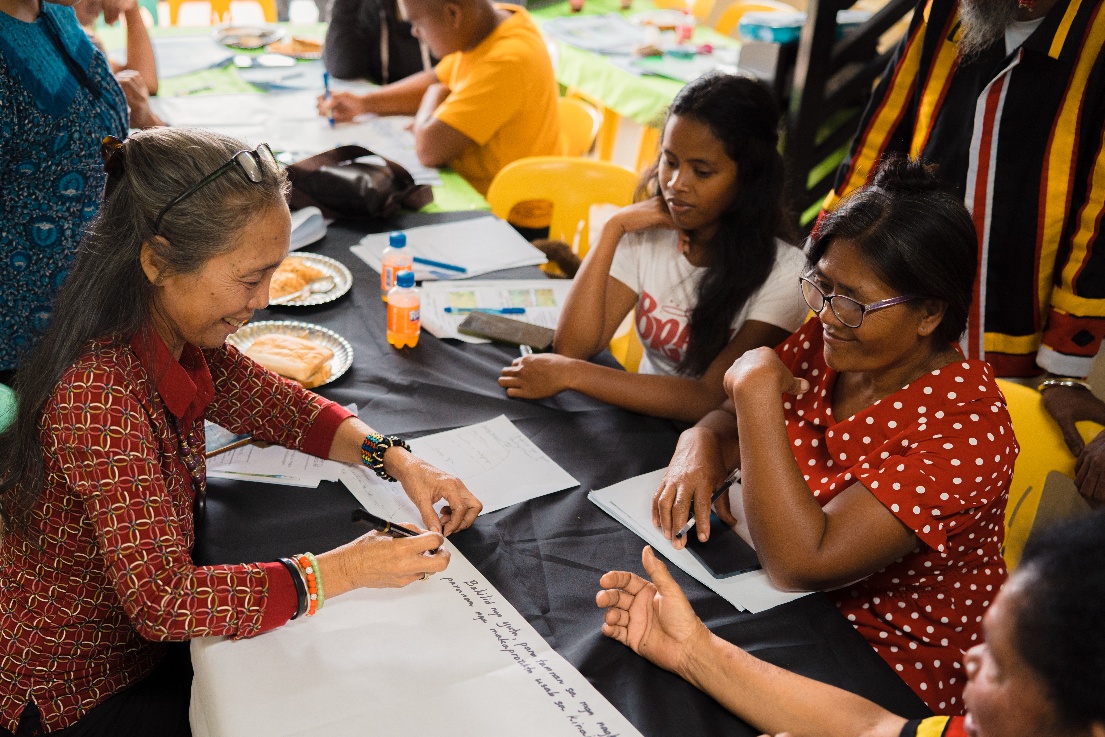
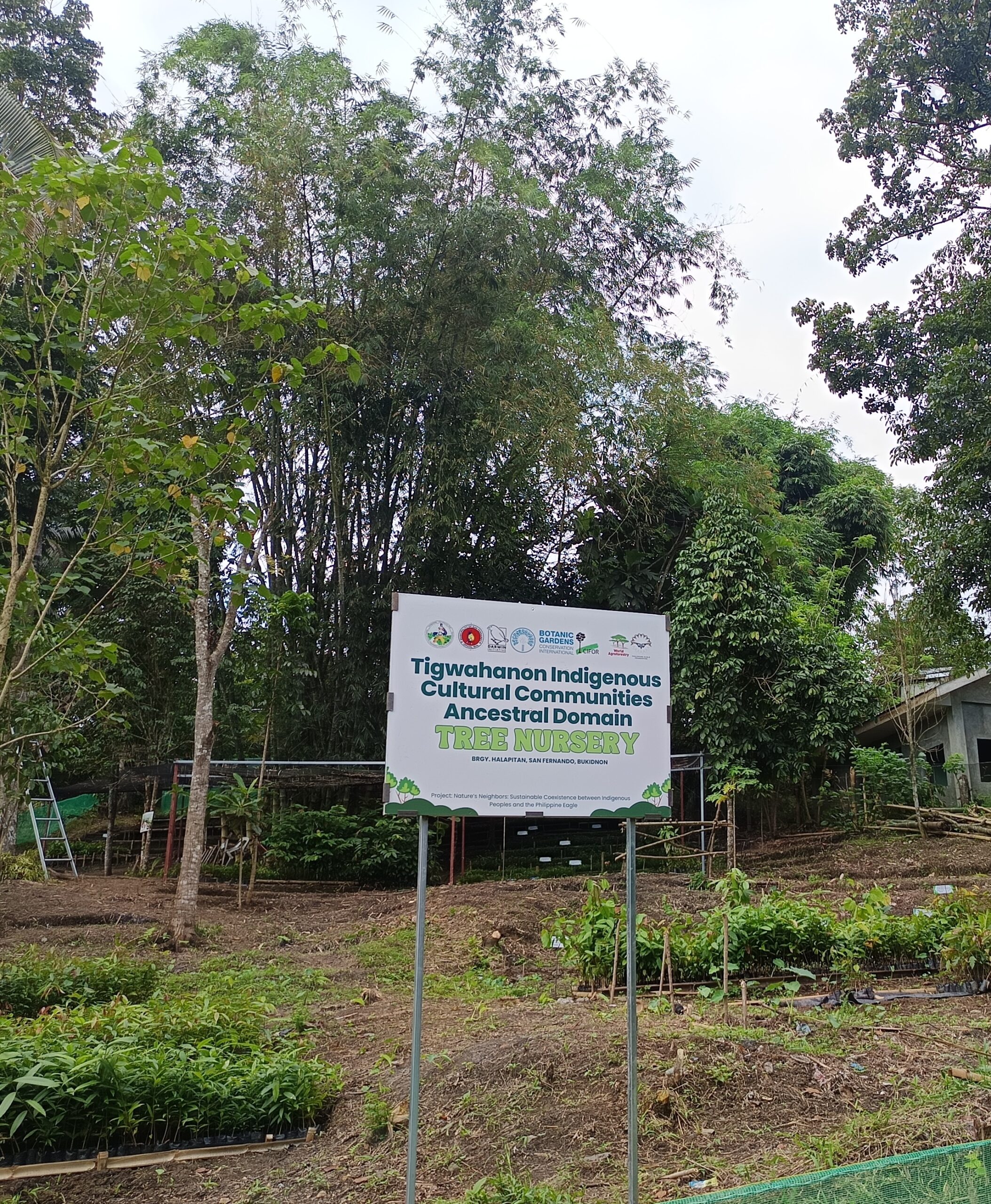
Photo by Rachmat Mulia, Zarrel Gel Noza / CIFOR-ICRAF
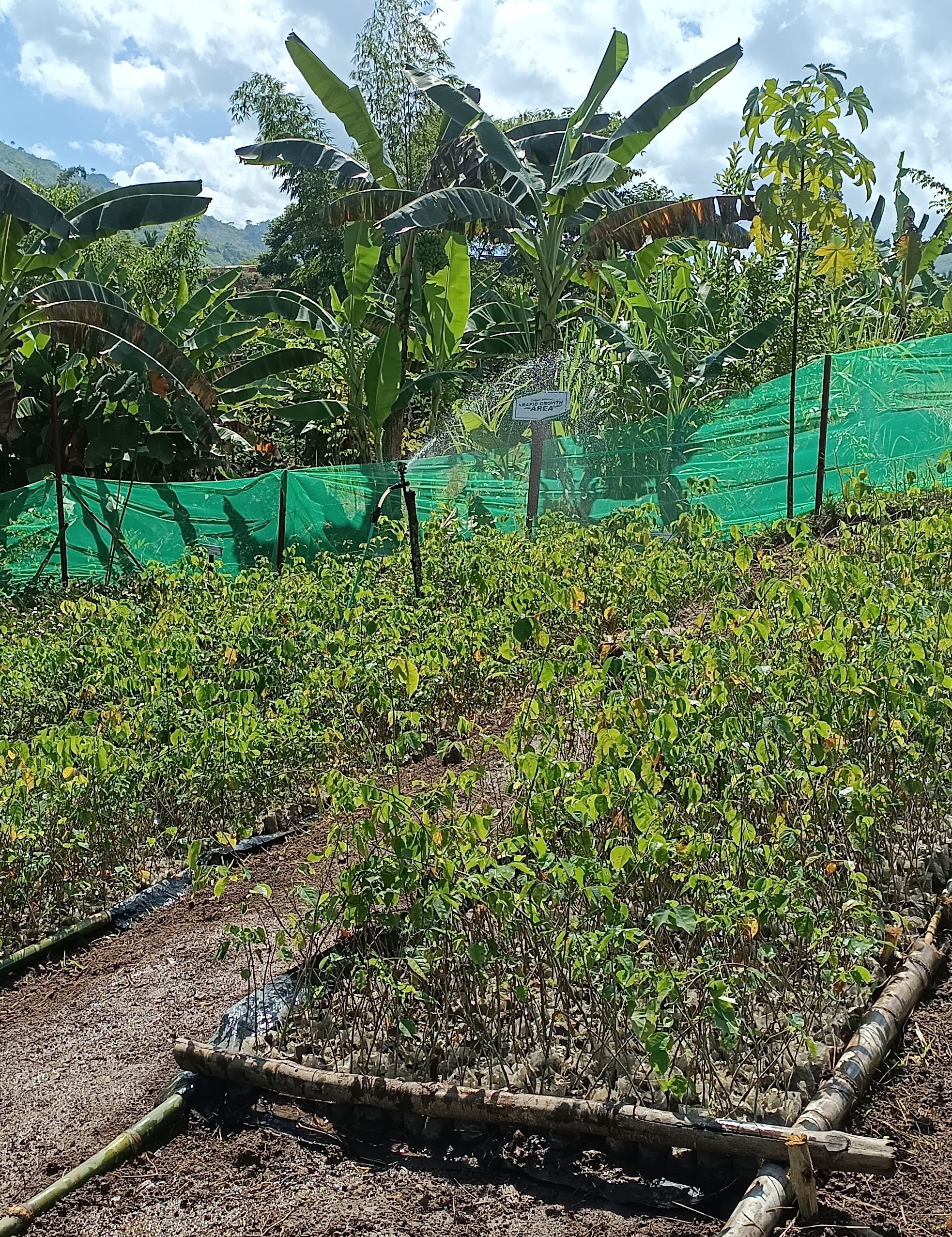
Photo by Rachmat Mulia, Zarrel Gel Noza / CIFOR-ICRAF
The initiative places local Indigenous communities at the centre of biodiversity conservation. Community members are being trained in sustainable agroforestry, forest restoration, nursery propagation and management, and small-scale agribusiness development, with some going on to become local trainers themselves. Alongside this, community engagement and public awareness activities are helping build local understanding of biodiversity conservation and support biodiversity stewards within the community.
The project will also support the development of community co-management plans for ancestral domains in San Fernando Municipality. The aim is to ensure that conservation and sustainable practices become part of community systems and decision-making, rather than ending when the project does.