


[Editor’s note: This article reflects the personal views of the author]
As we navigate the necessary shift from a fossil-based economy, the bioeconomy stands out as a promising pathway towards sustainability. Within this transition, wood is emerging as a foundational resource: a renewable, versatile, carbon-storing and capable of transforming sectors from construction to textiles.
Nature’s perfect building material
From where we stand, wood is no longer just timber — it’s a modern material driving innovation across multiple industries. In construction, engineered wood products such as mass timber and cross-laminated timber offer low-carbon alternatives to steel and concrete. These alternatives not only reduce emissions significantly but also improve thermal efficiency. Buildings made of wood are reaching new heights, both literally and in ambition.
In materials science, breakthroughs in advanced composites, pulp-based textiles, nanocellulose, lignin derivatives and even wooden components for satellites are expanding what wood can do and where it can go. In biochemicals and bioenergy, wood is serving as a key feedstock for renewable fuels and green chemicals, helping displace fossil-based inputs. The potential is vast, and it is no longer theoretical.
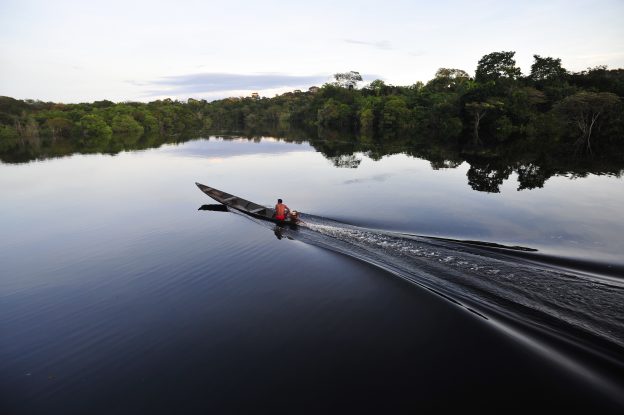
Timber is transported along the Arajuno River in Ecuador. Photo by Tomas Munita / CIFOR-ICRAF
The cellulosic textile market is projected to double from USD 35.2 billion in 2020 to USD 70.1 billion by 2030. Likewise, woody biomass energy markets could jump from USD 55.3 billion to nearly USD 99 billion. These are not minor shifts. They point to a fundamental reconfiguration of the material economy as industries increasingly recognize the versatility and environmental benefits of wood.
The climate case is just as striking. Using one ton of wood in construction can prevent around 2.2 tons of CO₂ emissions compared to Portland cement. Cross-laminated timber emits just 100 kg of CO₂ per cubic meter, while steel and concrete emit 2,800 kg and 410 kg, respectively.
The scale of future demand
But with opportunity comes urgency. If wood is to anchor the bioeconomy transition, we must ask: Where will all this wood come from?
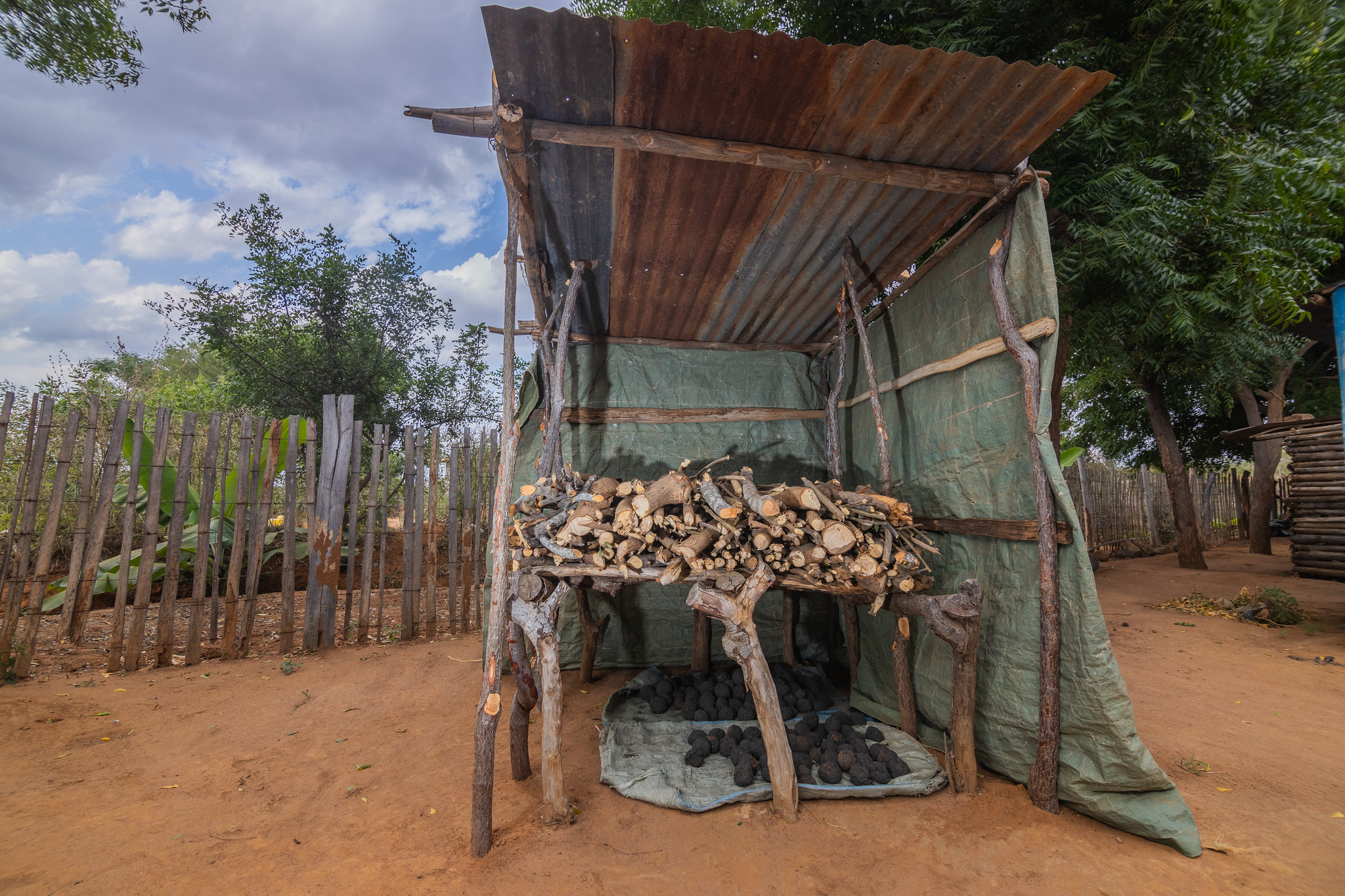
In 2020, global wood consumption stood around 4.2 billion cubic metres, divided between industrial uses and bioenergy. The Global North consumes significantly more industrial roundwood per capita than the Global South, while the South relies heavily on wood for household energy, often in systems with low efficiency.
The Global North primarily uses industrial roundwood for sawn wood, panels and paper. In contrast, about 85 percent of wood use in the Global South is for household energy, often in inefficient systems operating at only 10 to 20 percent energy efficiency.
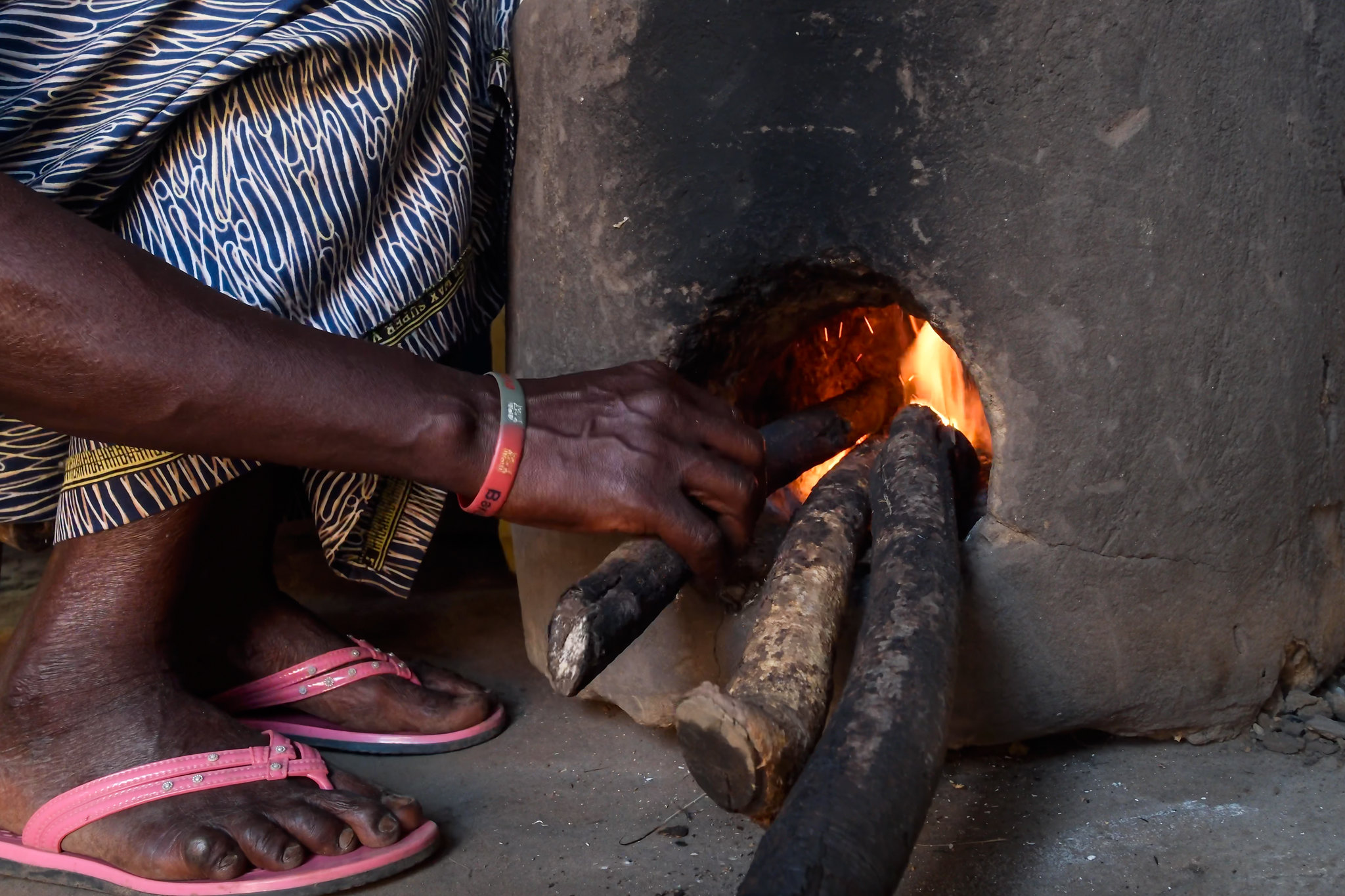
Looking ahead to 2050, a ‘business-as-usual’ scenario projects an increase in global demand to about 4.9 billion cubic metres, primarily driven by population growth in the Global South. However, when we add the projected expansion of the bioeconomy, this puts significant pressure on supply systems. Estimates suggest an additional demand of 1.5 to 2.5 billion cubic meters per year will be needed by 2050, driven largely by new demand for construction materials, bioenergy, biochemicals and textiles. Altogether, total demand — under business-as-usual plus bioeconomy growth—could surpass 7 billion cubic meters by mid-century.
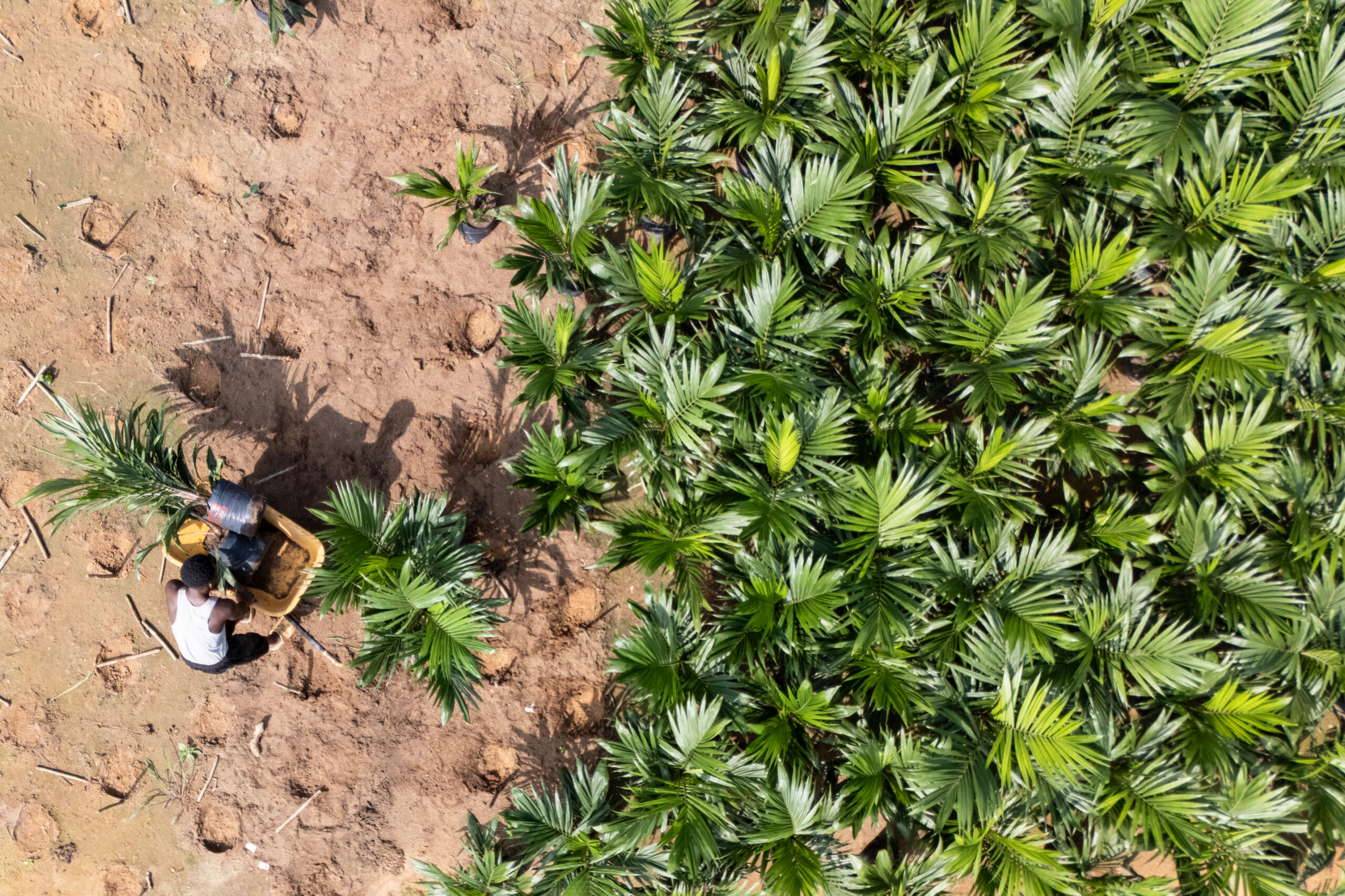
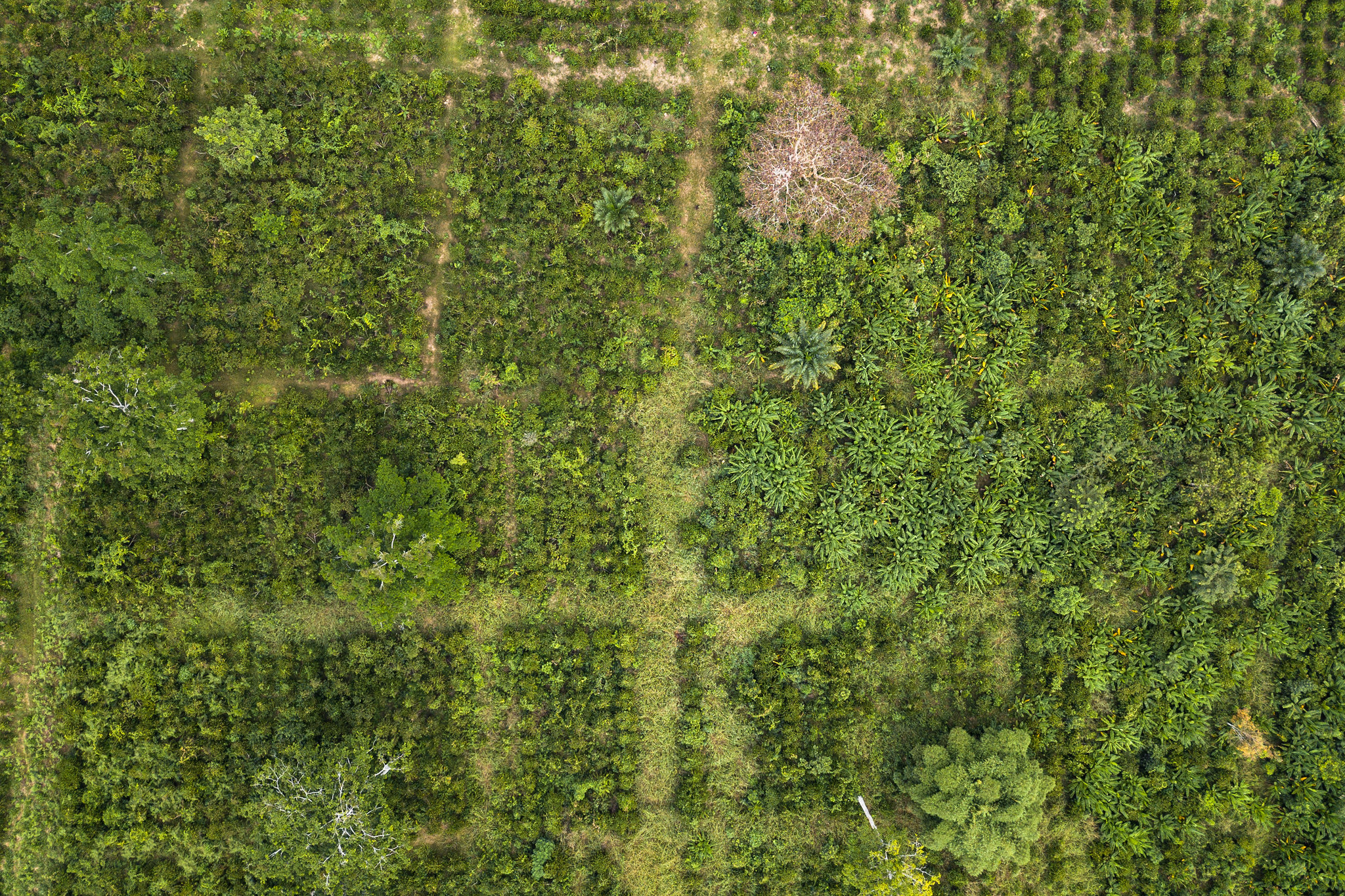
Meeting this rising demand will require a multi-pronged approach, extending beyond the forests already designated for timber harvesting and tapping into a broader range of sustainable options. Potential avenues include improving yields sustainably in existing production forests, expanding forest plantations (potentially 120-150 million hectares needed), harnessing the potential of agroforestry systems, boosting efficiency, particularly in bioenergy use, and restoring degraded lands for wood production.
Yet each of these options comes with challenges. Land competition, especially with food production, biodiversity conservation, water resource management and, critically, the land rights of Indigenous Peoples and local communities, all need careful attention. Furthermore, we must mitigate the environmental risks associated with intensified wood harvesting, including deforestation, soil degradation, water pollution and ensuring genuine carbon benefits.
A call for sustainable and equitable solutions
A wood-based bioeconomy will require robust policy frameworks and a strong commitment to sustainability. That means mandatory certification schemes and enhanced forest monitoring, halting deforestation and protecting primary forests, integrating forest carbon into pricing mechanisms, strengthening governance and harmonizing sustainability standards internationally, ensuring legal recognition of community rights and fair benefit-sharing, and investing in efficiency and reduced waste across value chains.
The transition to a bioeconomy offers immense opportunities, with wood as a cornerstone. Yet, we have a profound responsibility to manage this transition wisely. We need more forests and trees, managed sustainably and equitably. We also have a moral obligation to remain optimistic and to actively shape a future in which forestry and landscapes enhance both the environment and human well-being.