
-
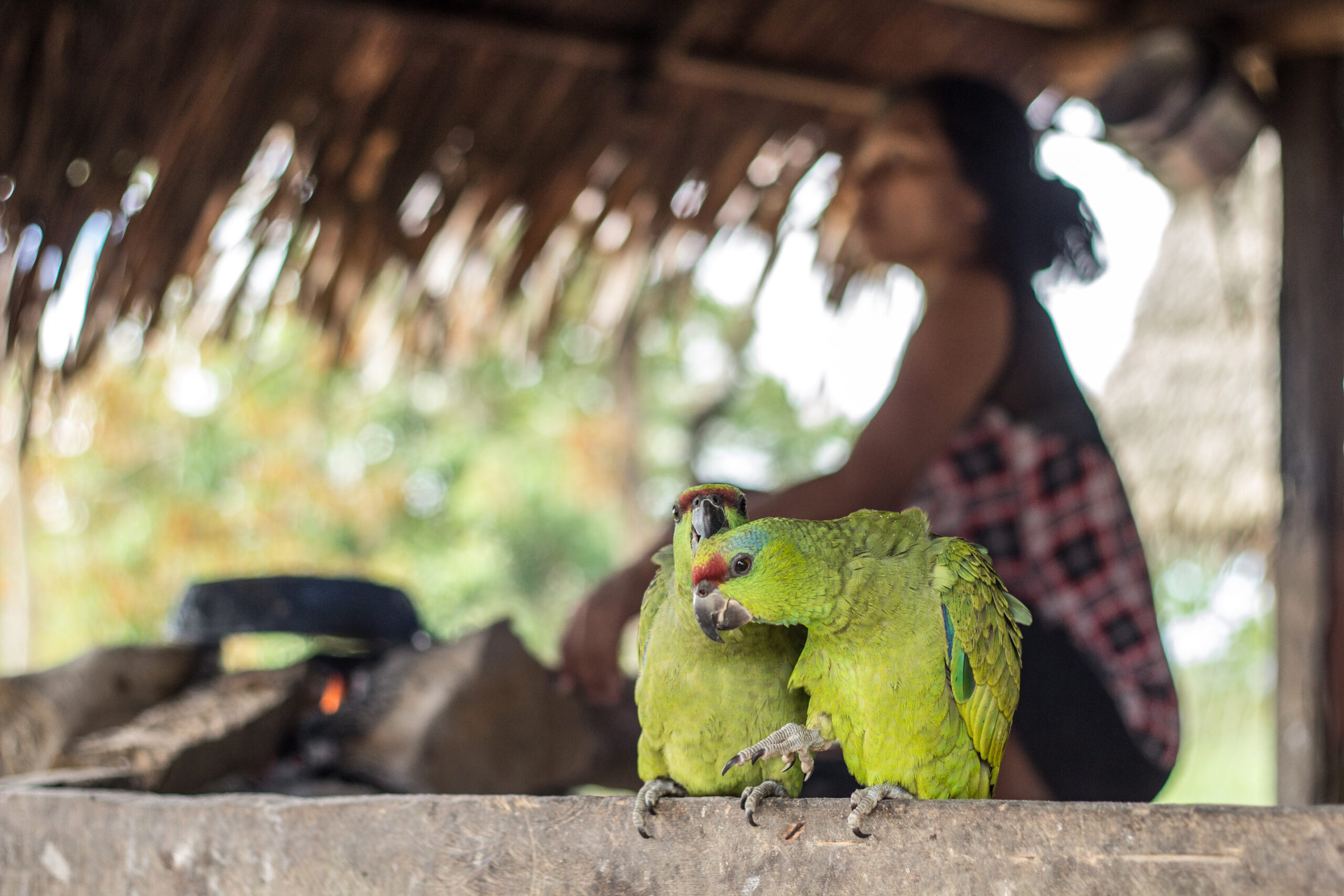
Rainforests, reefs and rural livelihoods: Latin America on the line at UNCBD COP16
From 21 October to 1 November, a dynamic mix of government leaders, scientists and biodiversity champions will descend on Cali,…
6 min read -
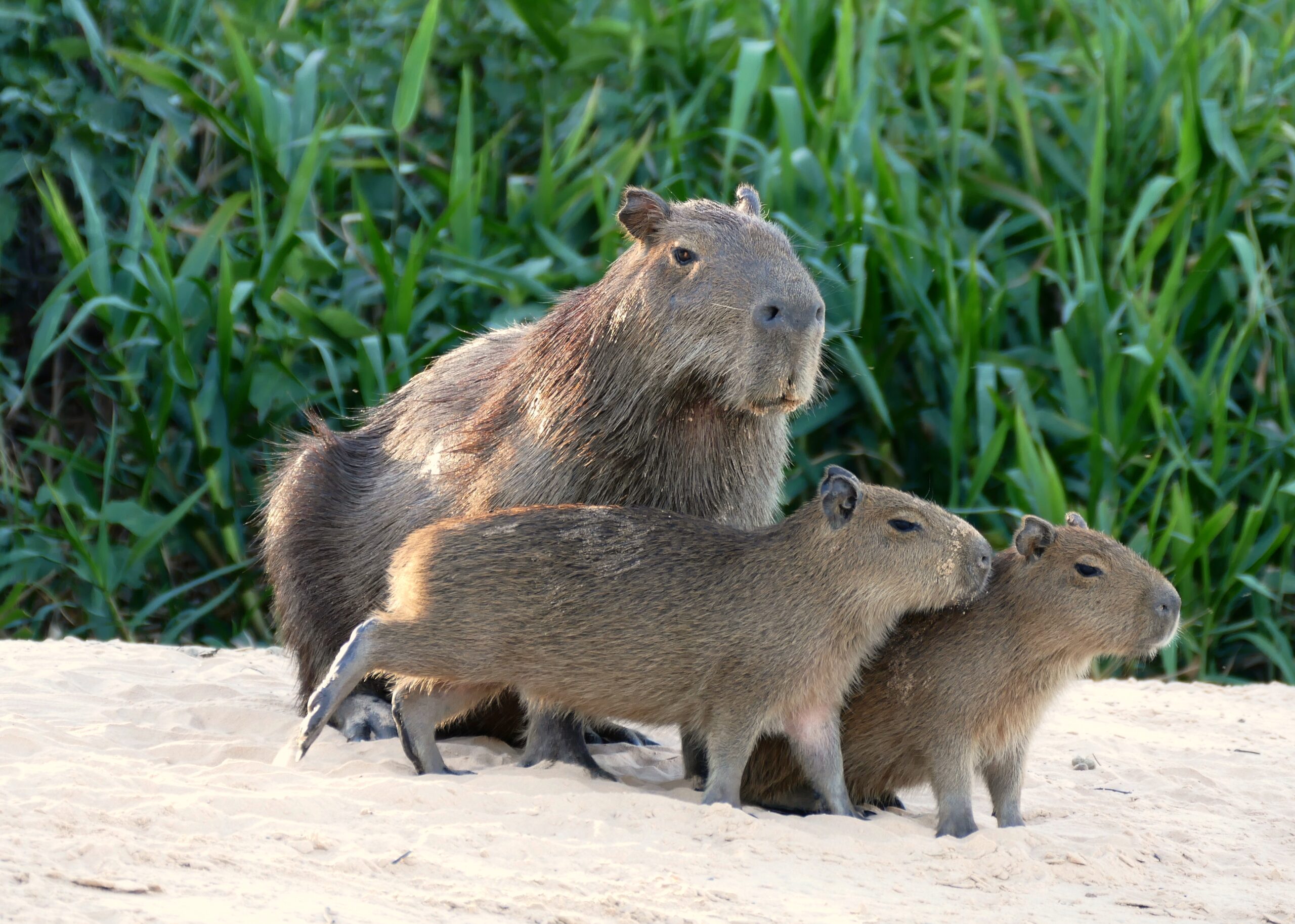
Using Facebook to expose illegal sport hunting in Brazil
Brazil is the most biodiverse country on Earth, with six terrestrial biomes, three marine ecosystems, and at least 103,870 animal…
7 min read -
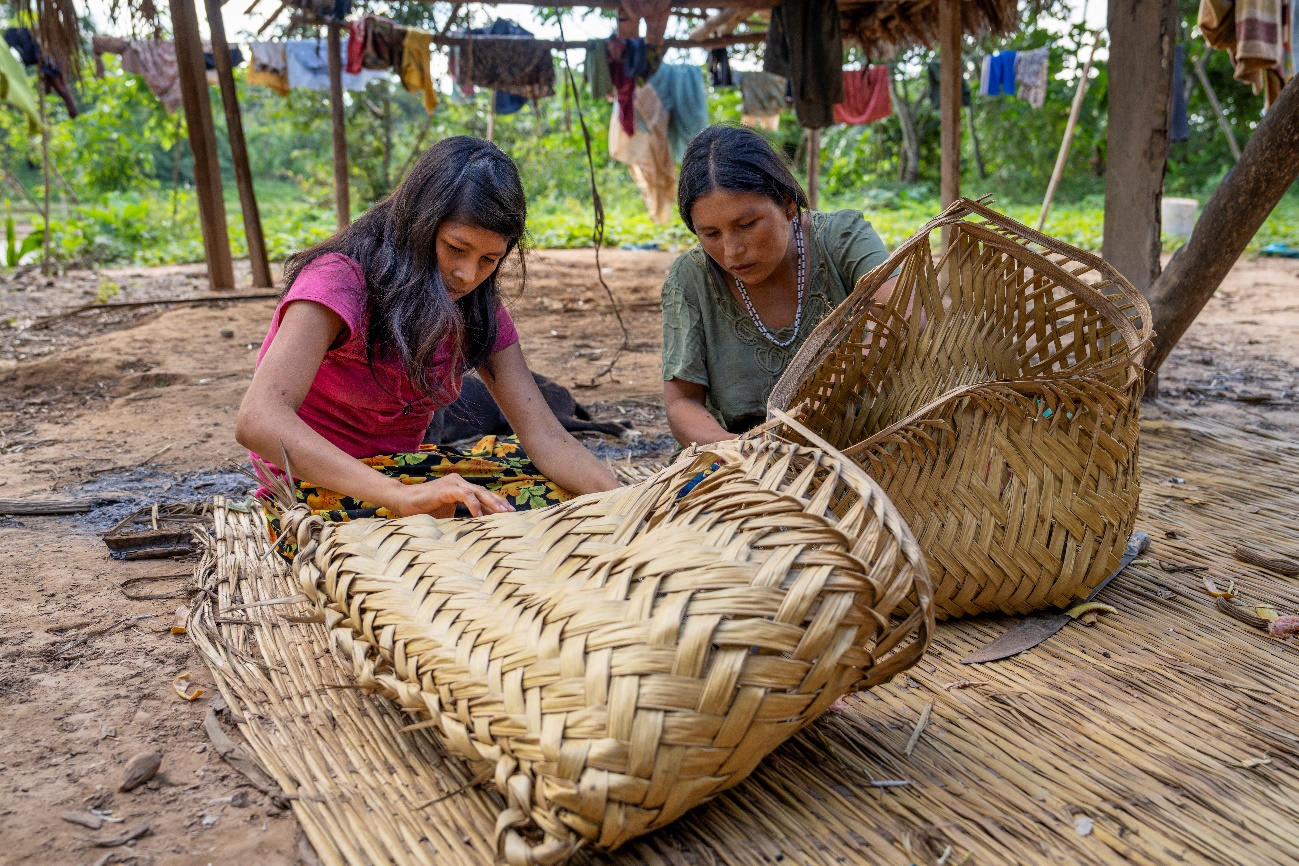
Call to conservation community: Stop using 80% figure to quantify biodiversity in Indigenous People’s territories
If you’re interested in global environmental issues, you’ve likely come across the claim that “Indigenous People’s territories hold 80% of…
5 min read -
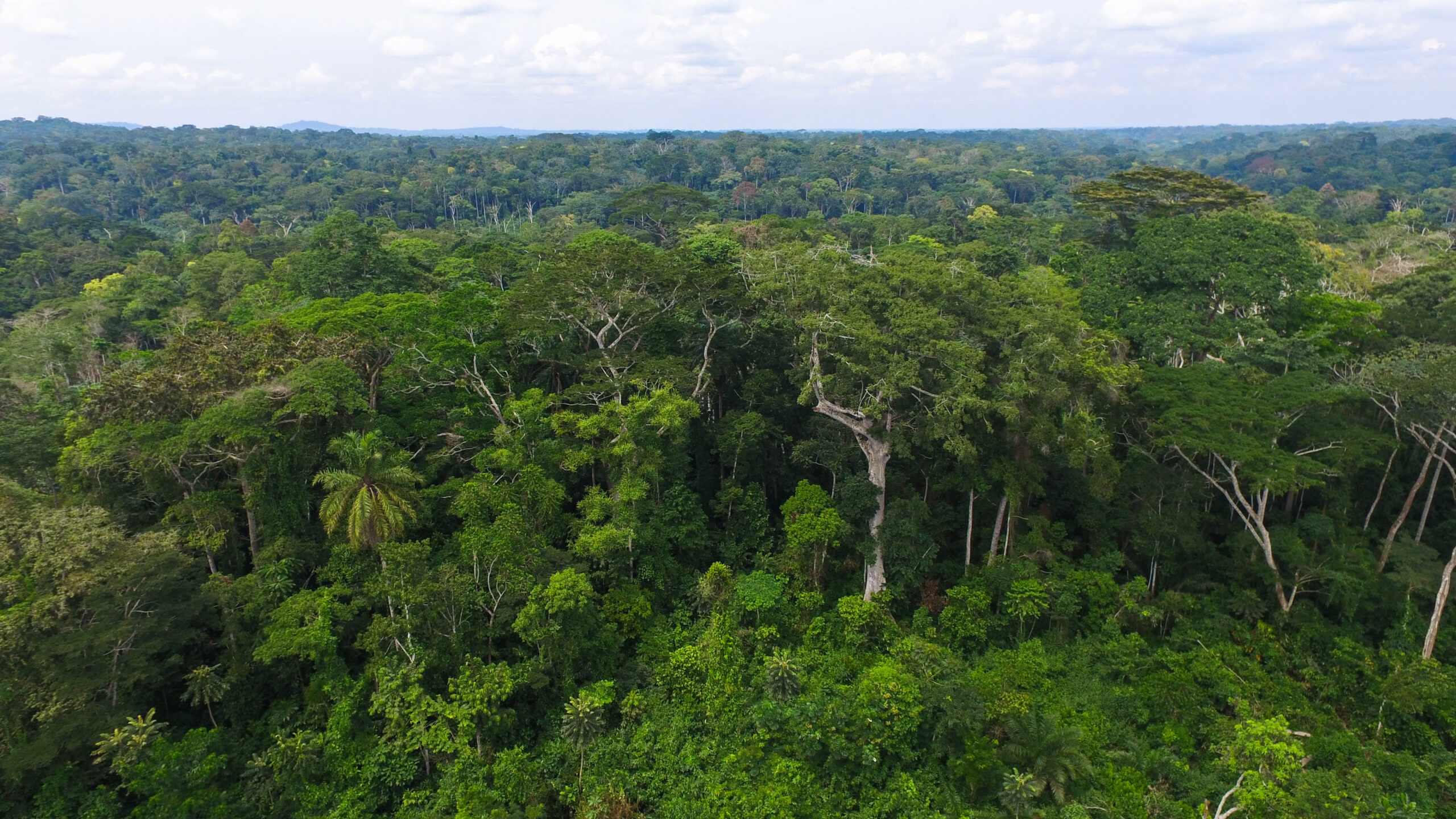
Central African moist forests and savannas are net carbon sinks – for now
A new study has found that Central African moist forests and savannas acted as net carbon sinks from 2010 to…
4 min read -
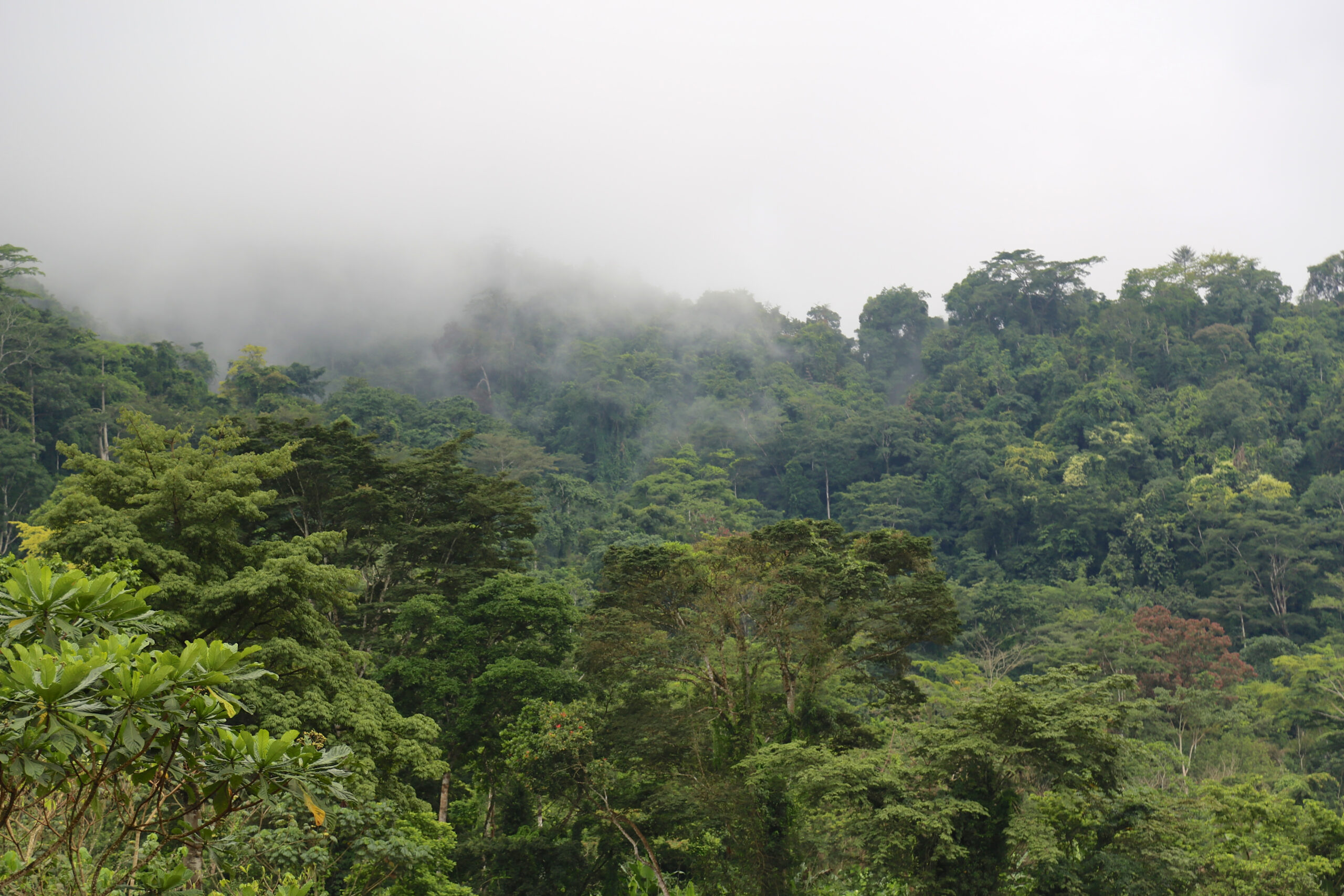
In Cameroon, honing organizational arrangements to boost REDD+
Cameroon is a rainforest-rich country, with about 46% of its land area covered in tropical forest, representing a massive carbon…
5 min read -

In Katavi National Park, rangers step up wildlife monitoring with camera trap training
Katavi National Park, a remote and little-known nature reserve in western Tanzania, is home to an impressive bingo-card of charismatic…
3 min read -

Measuring wildlife degradation, made simple
Medium and large-sized mammals – think duikers (forest antelopes), porcupines, and wild pigs – play critical roles in African tropical…
4 min read -

Rural Nigerian communities caught more but sold less wild meat during the pandemic
Hunting wild animals for food provides a critical source of food and income for many rural communities. Given that wild…
4 min read -

Revealed: How much carbon Earth’s forests stash—and what’s happening to it
The climate crisis is getting worse, but we haven’t yet managed to ditch the fossil fuels that exacerbate it. So,…
4 min read -

The bumpy road to community conservation in Papua New Guinea
Papua New Guinea’s Managalas Plateau is home to a wild array of unique and threatened creatures, including the peach-plumed Raggiana…
4 min read -

Higher income from cocoa may lead to Congo Basin deforestation
Cocoa agroforestry that improves local livelihoods: sounds like a win-win for people and ecosystems, right? But a new study analyzing…
4 min read -

In Cameroon, breaking barriers for women in restoration
Restoring land and reducing its degradation is crucial for Cameroon’s sustainable development and long-term resilience. Over 70 percent of the…
6 min read -

Measuring the impact of agroecology on food security
Agroecology can benefit food security by diversifying crop production, increasing soil fertility, upping productivity, boosting ecosystem services, and improving biodiversity.…
4 min read -

“A renaissance of nature” for Africa’s drylands
Soil degradation affects a third of our planet, reducing crop yields, food security and climate resilience wherever it occurs. The…
3 min read
