
-
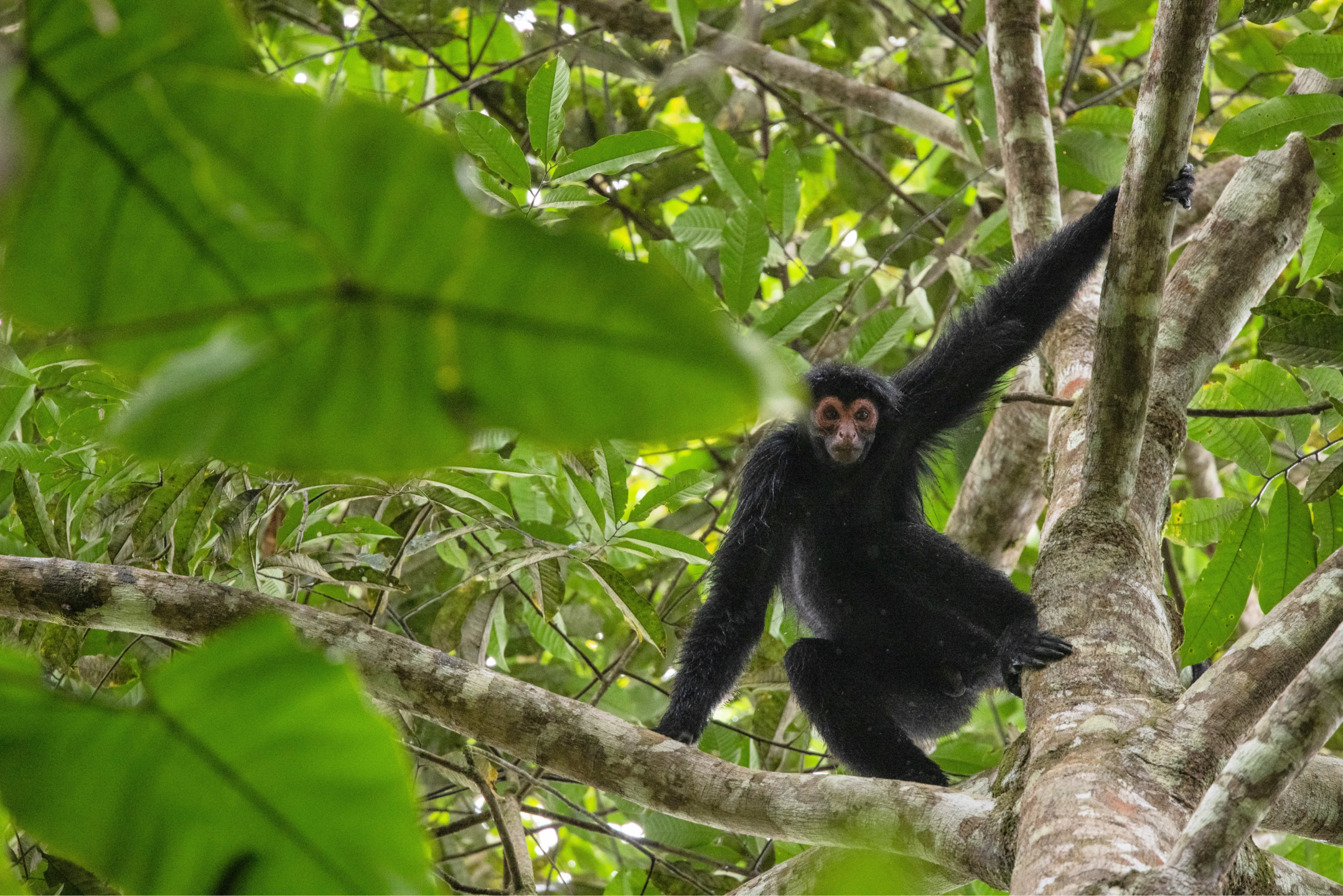
Sustainable wildlife management in the spotlight at UN biodiversity conference
Managing wildlife sustainably is necessarily a nuanced and knowledge-led enterprise. Our planet’s wild animals face innumerable threats, from habitat loss…
5 min read -
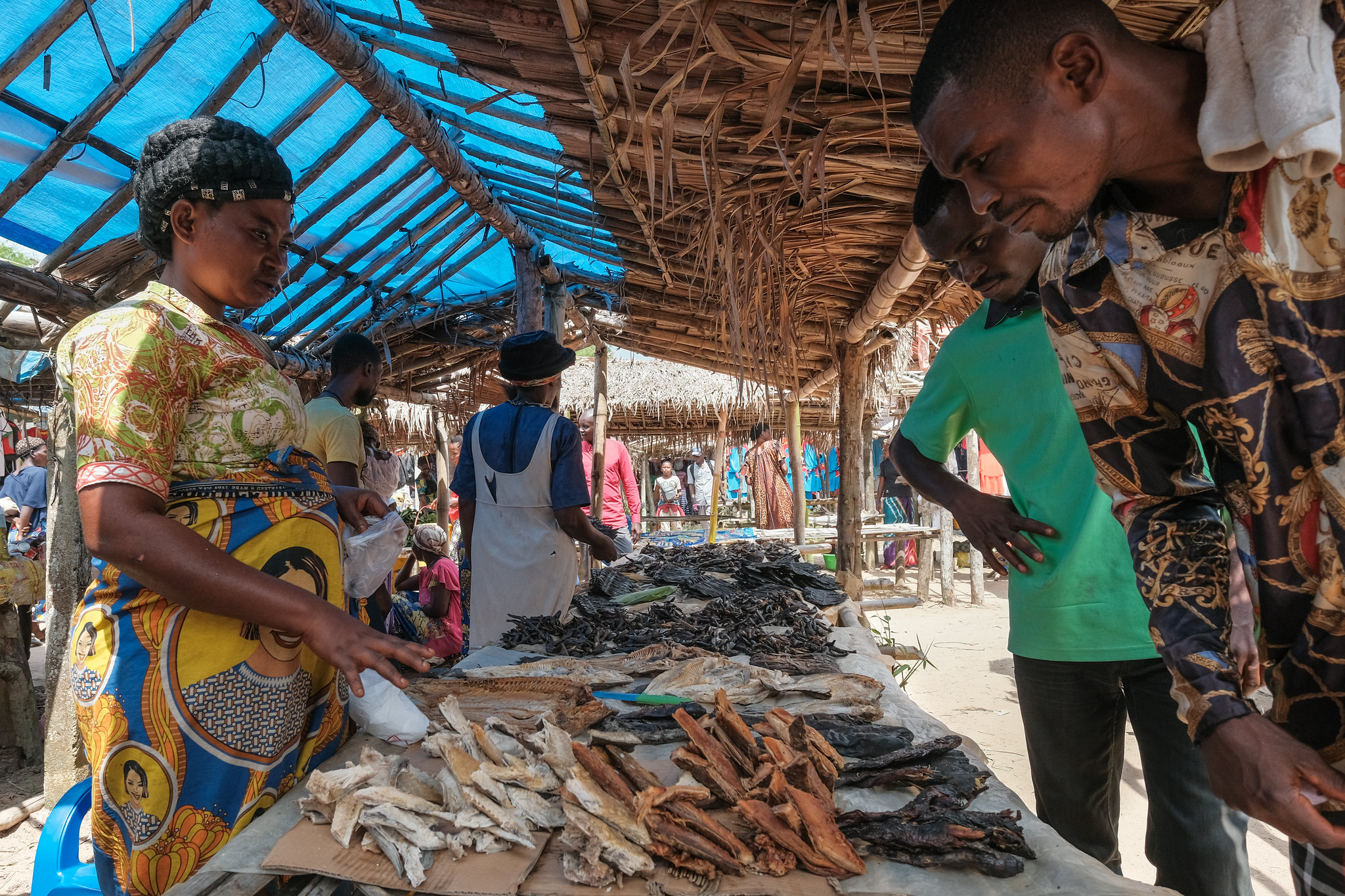
Following the hunt: New study tracks flow of wild meat from tropical African forests
People have hunted animals in Africa’s tropical forests for millennia, bringing a diverse range of animal meat—from aardvark to porcupine…
4 min read -
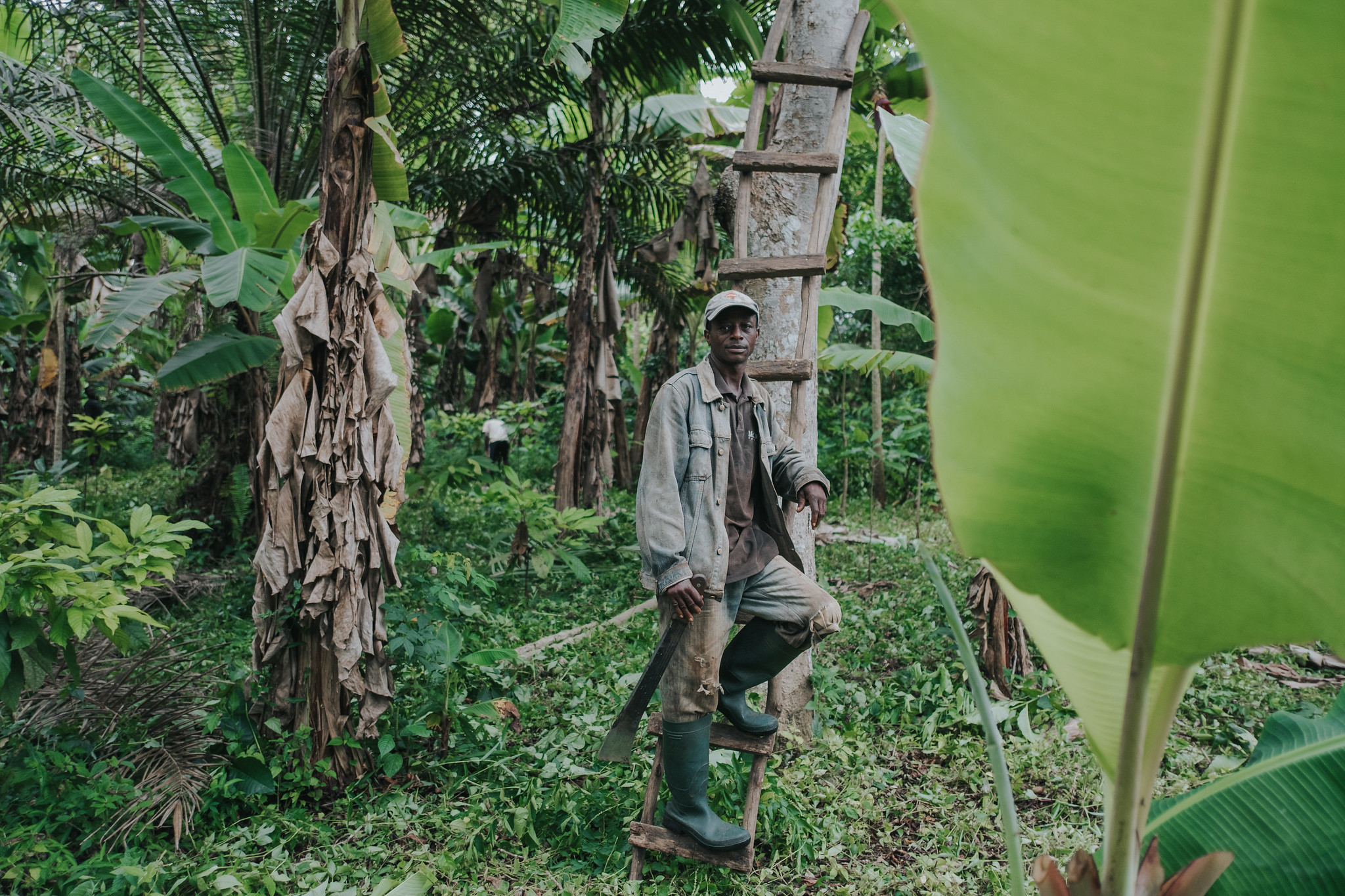
Pay attention to perennial crops’ sustainable development potential, urge scientists
Perennial woody crops—that is, those with a life cycle of at least three years, such as coffee, cocoa, grapevines, olive…
5 min read -
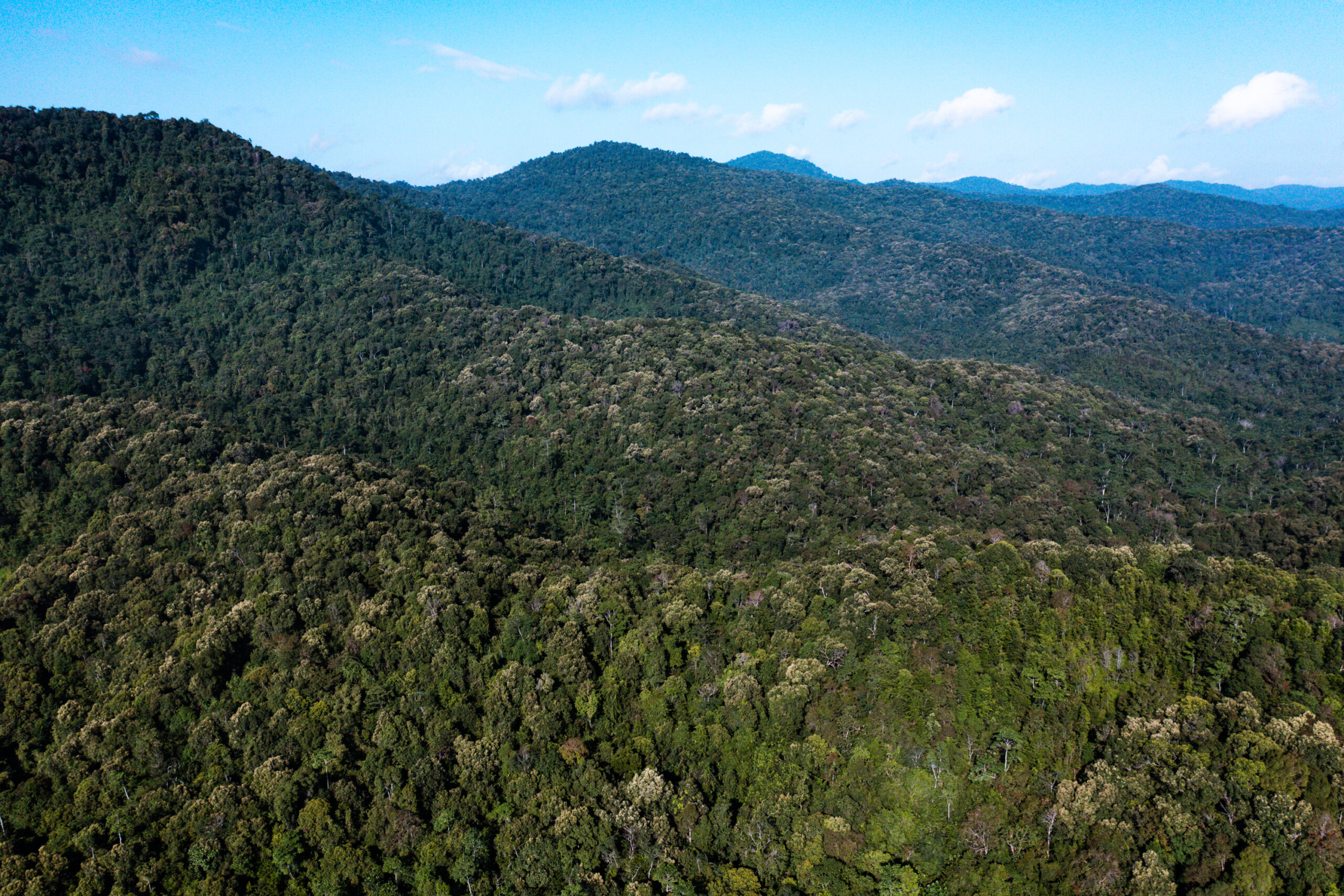
Sulawesi study finds local forest management units don’t impact deforestation— unless it’s a fire year
It’s almost a cliche to say that local communities must be engaged meaningfully in sustainable resource management efforts. Yet examples…
4 min read -
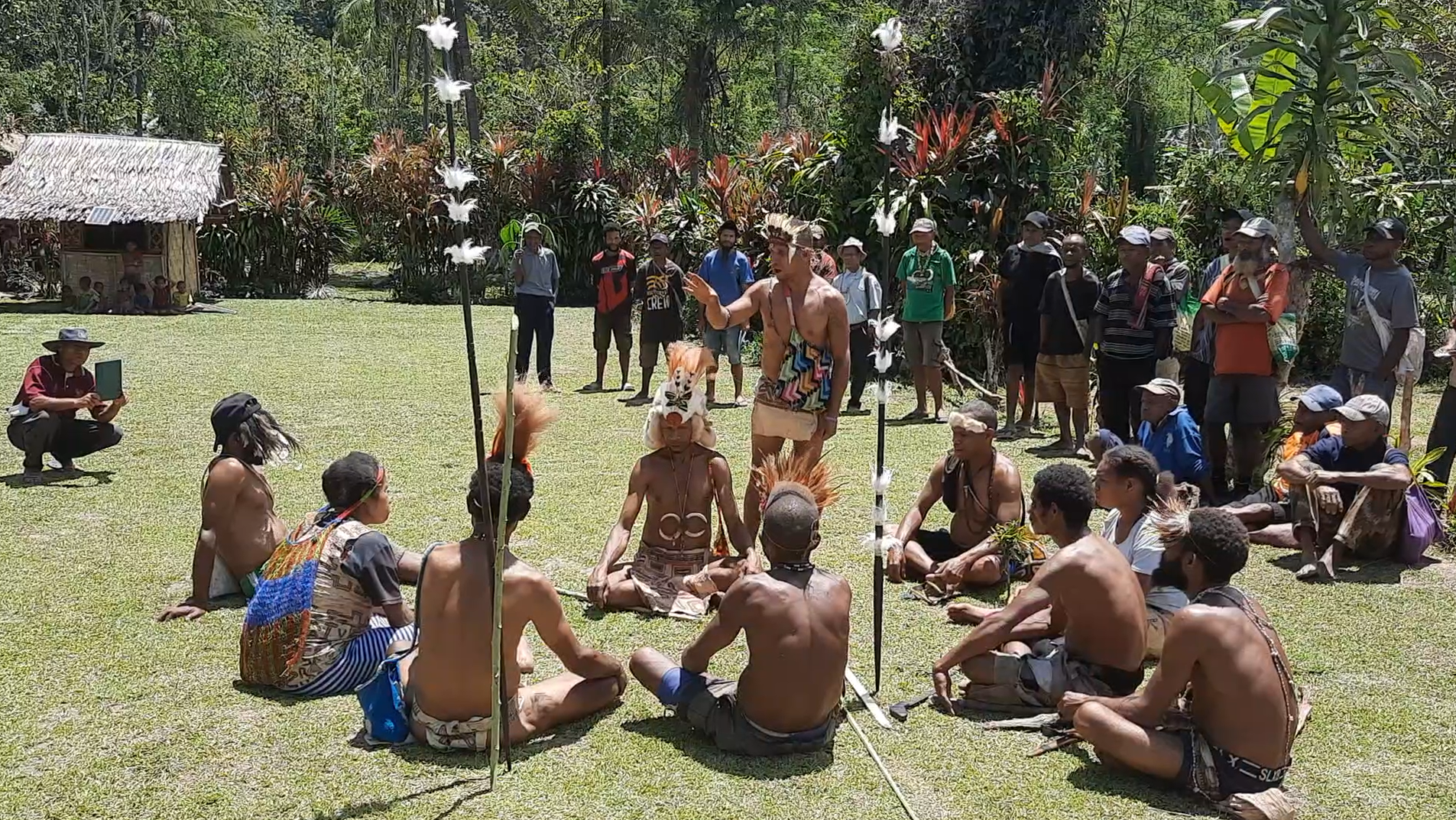
Playing it out: Why theatre matters for conservation on the Managalas Plateau
It’s a sunny September afternoon on Papua New Guinea (PNG)’s Managalas Plateau and the residents of Joivi Village crowd the…
5 min read -
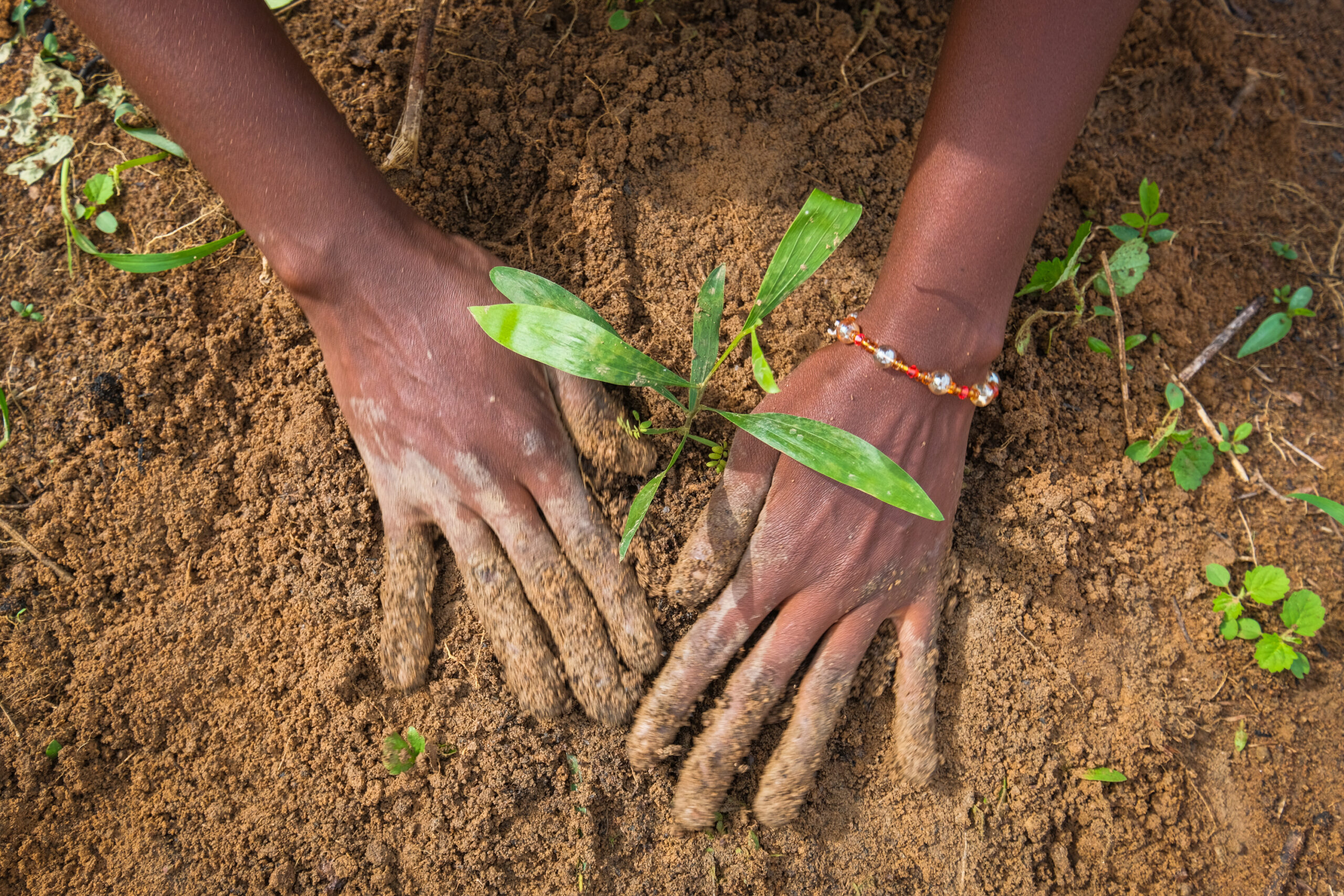
New Global Biodiversity Standard raises bar for biodiversity-positive restoration
One of the Kunming-Montreal Global Biodiversity Framework’s headline commitments is the quest to restore 30% of degraded land by 2030.…
5 min read -
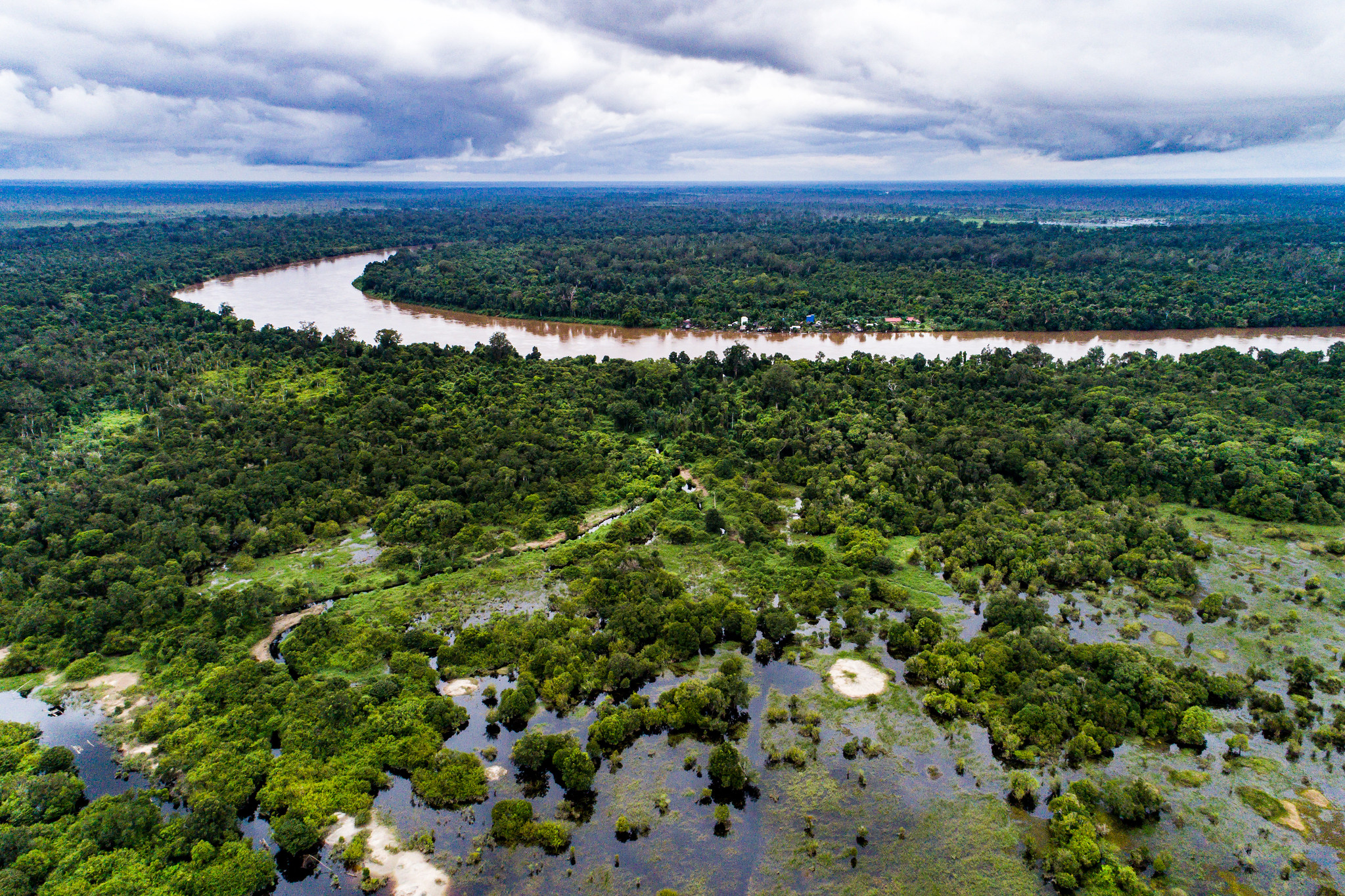
Reflecting on Southeast Asia’s transboundary haze response history as dry season smoulders on
A foundational challenge of environmental governance is that of transboundary issues. By their very nature, environmental phenomena don’t obey regional,…
8 min read -
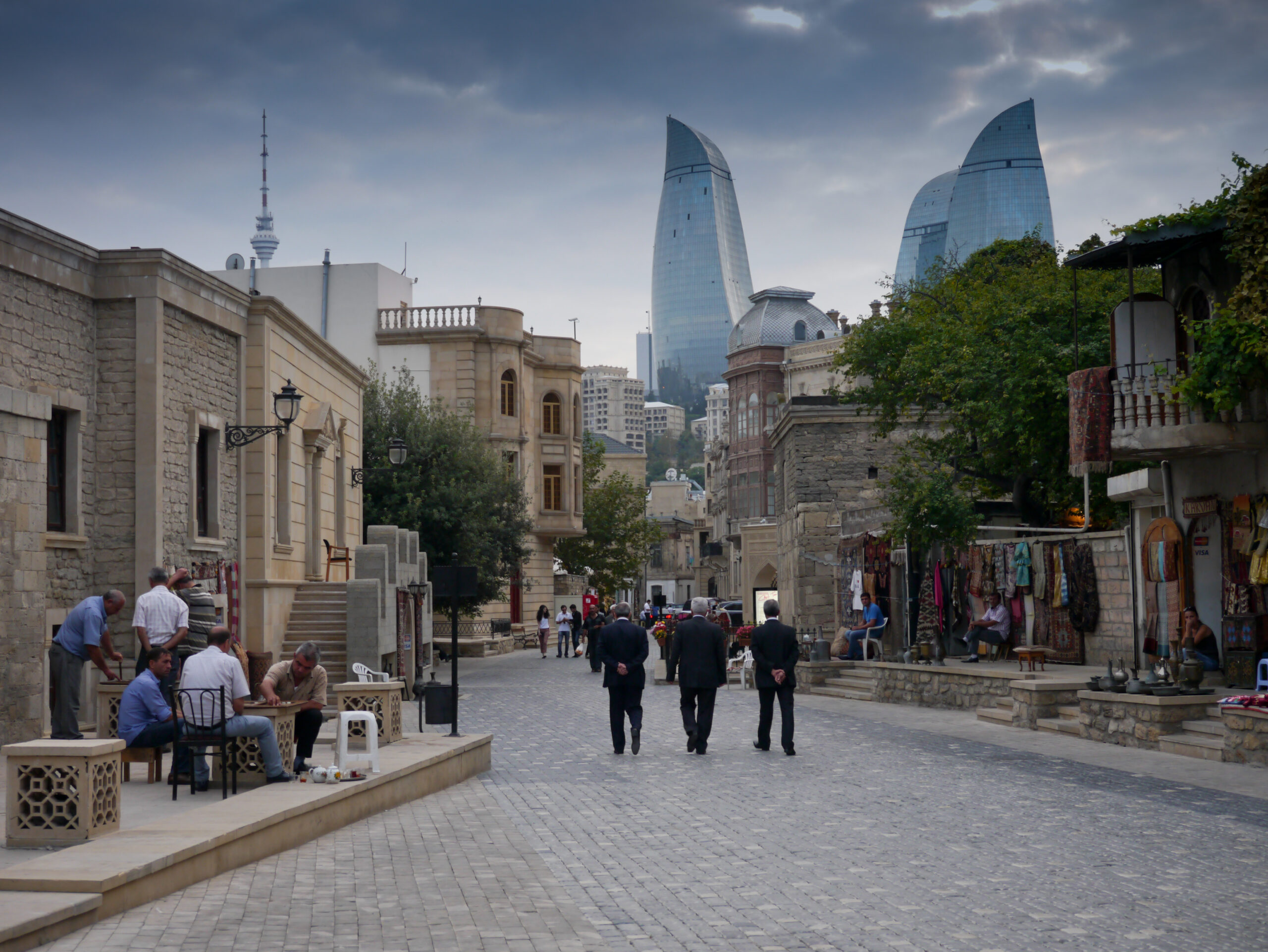
A climate conference in Azerbaijan—the “homeland” of oil extraction
This year, the annual 29th Conference of the Parties to the landmark UN Framework Convention on Climate Change (UNFCCC COP29)…
5 min read -
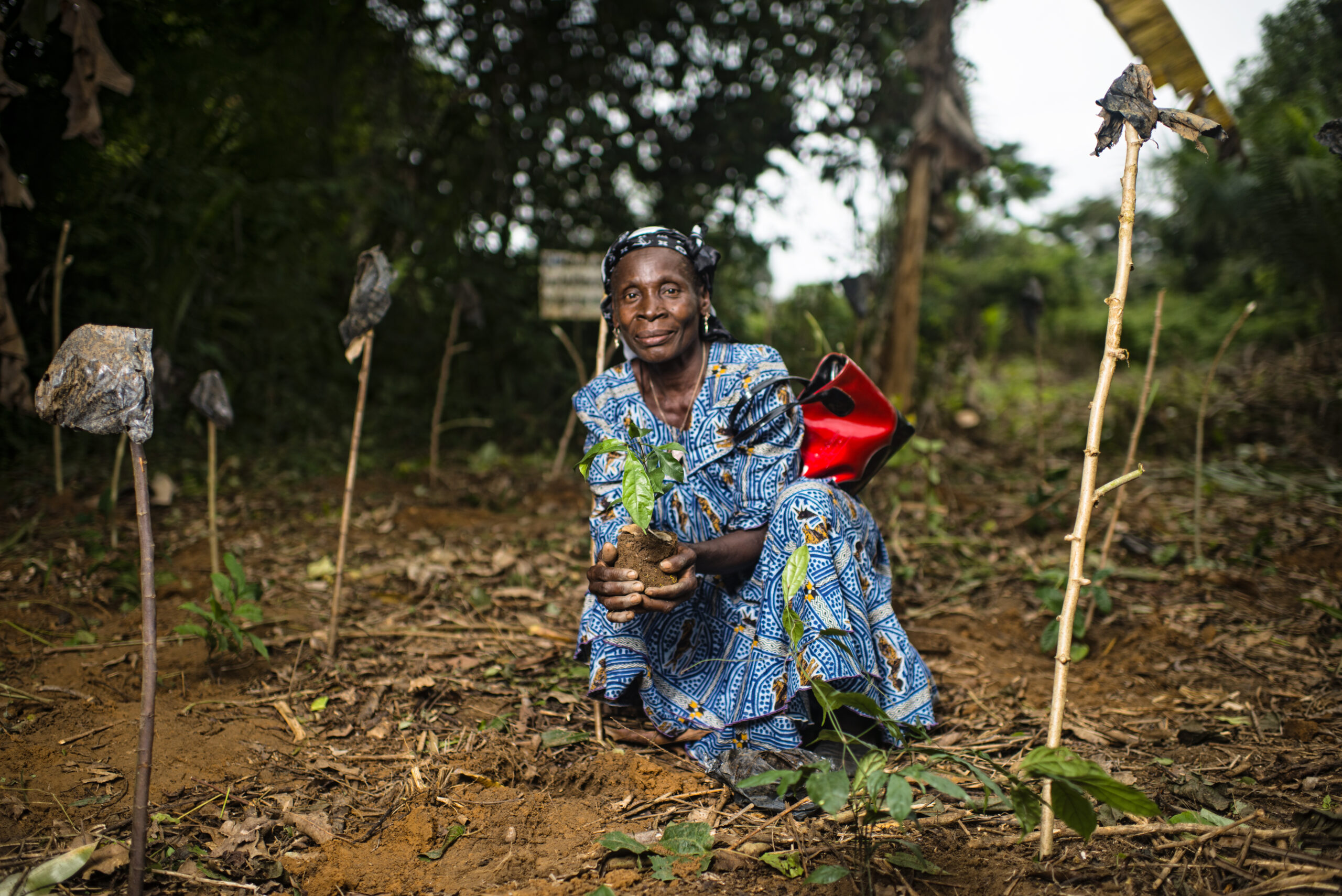
Food for the future: Enhancing productivity of local African food crops
Over the past 12 years, the African Orphan Crops Consortium (AOCC) has trained 172 scientists – 40% of whom are…
5 min read -
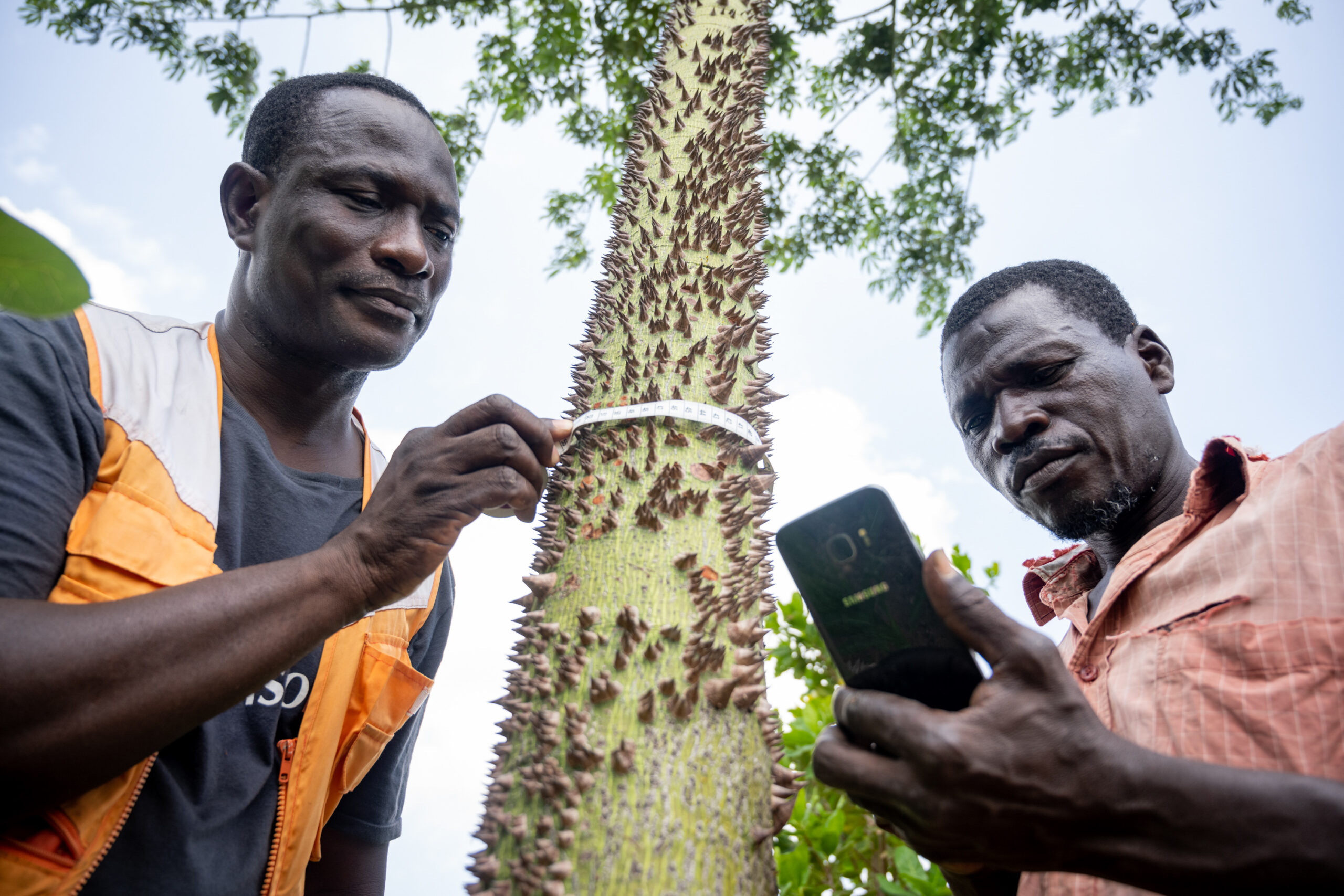
Put farmers first when scaling agroecology tech, say experts
A virtual workshop held on September 10, 2024, entitled ‘Using digital tools to support climate & agroecological transitions at scale’,…
7 min read -
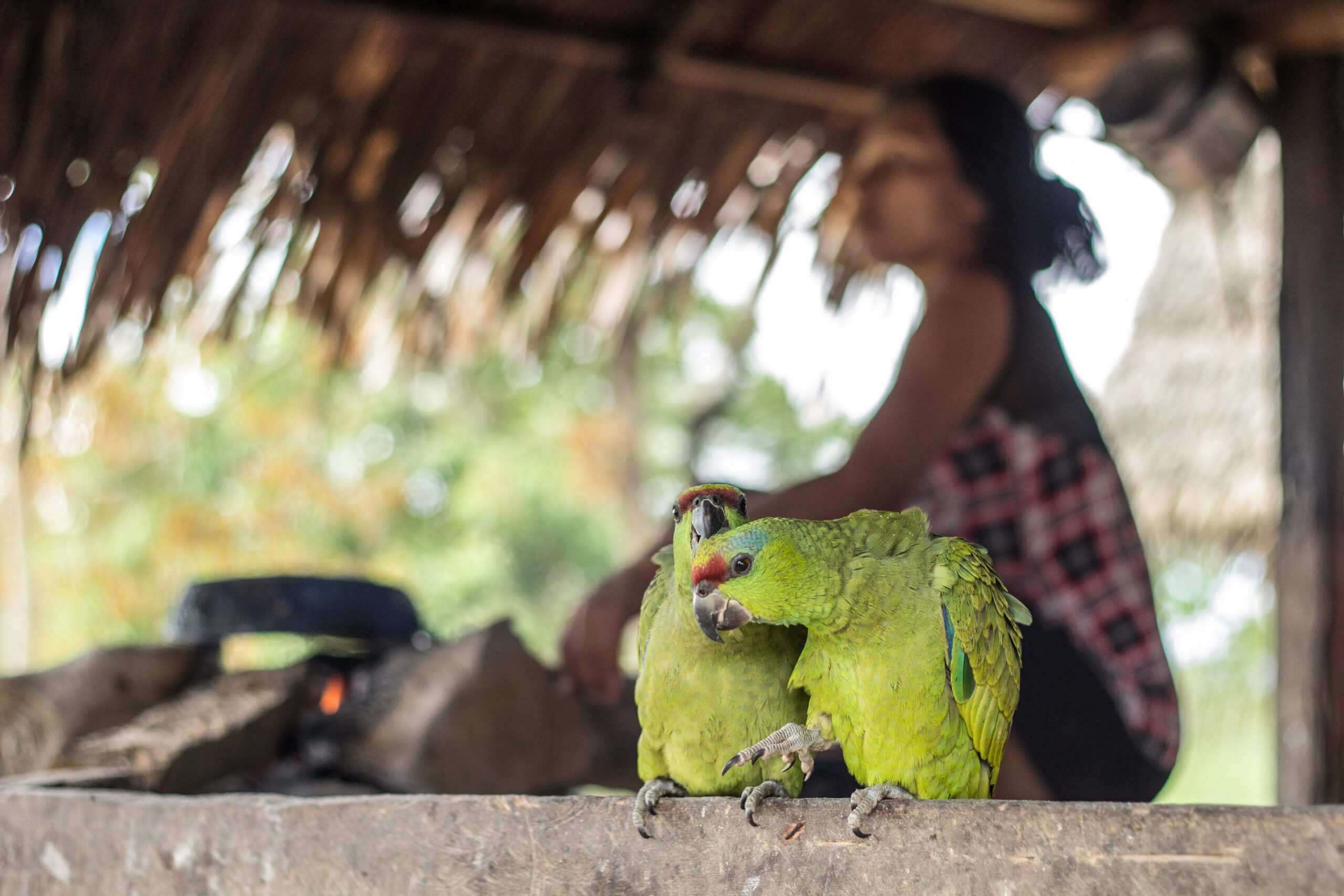
Rainforests, reefs and rural livelihoods: Latin America on the line at UNCBD COP16
From 21 October to 1 November, a dynamic mix of government leaders, scientists and biodiversity champions will descend on Cali,…
6 min read -
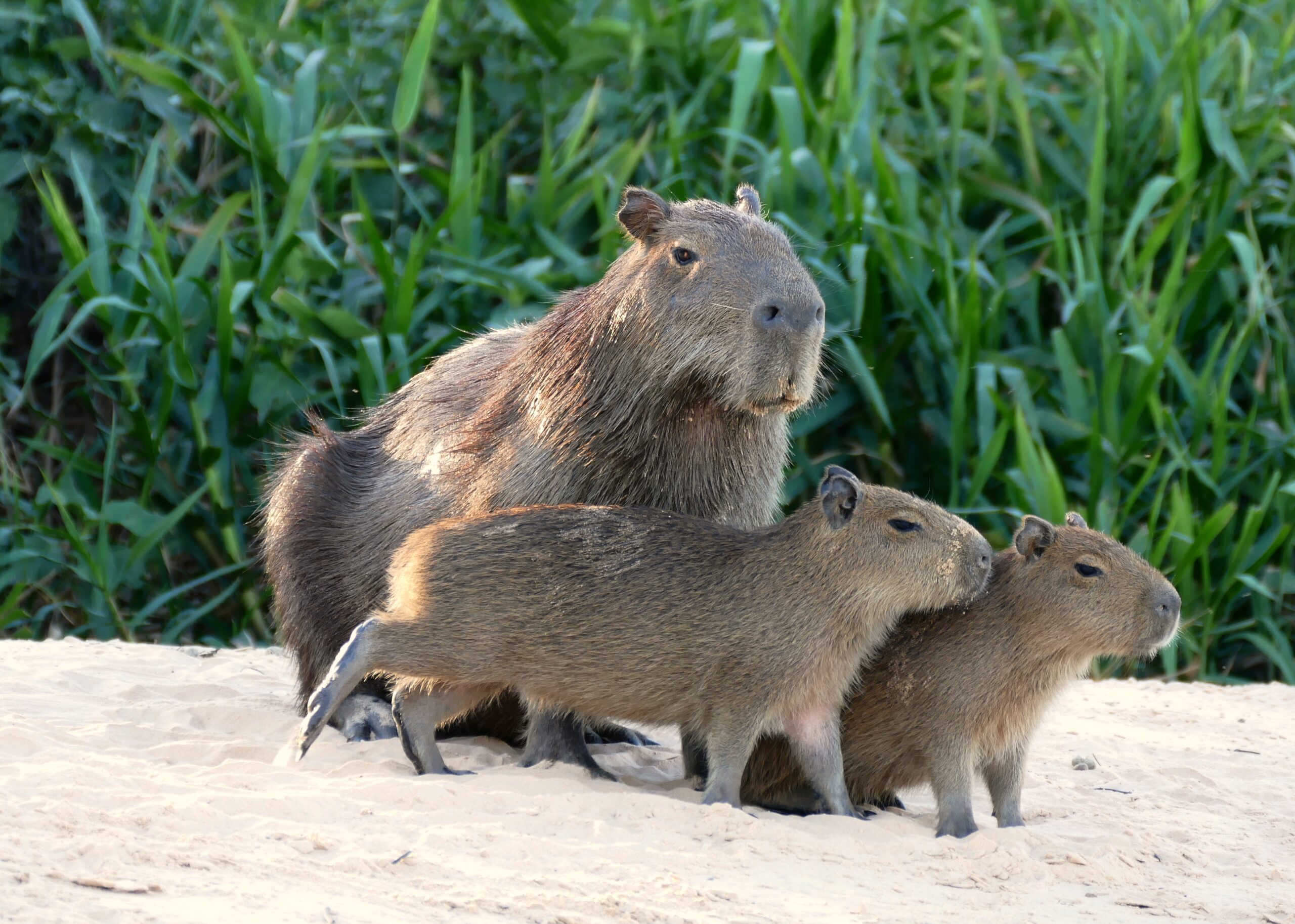
Using Facebook to expose illegal sport hunting in Brazil
Brazil is the most biodiverse country on Earth, with six terrestrial biomes, three marine ecosystems, and at least 103,870 animal…
7 min read -
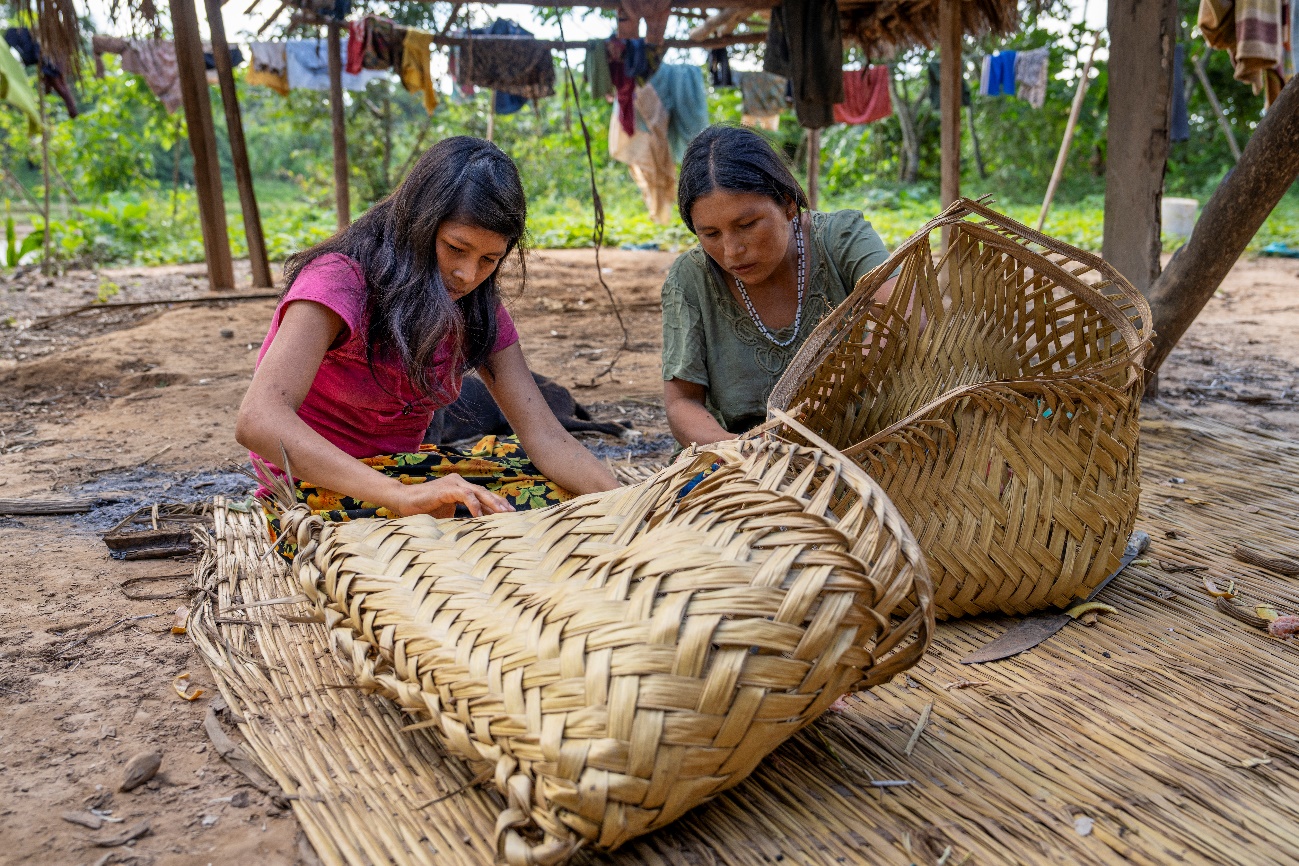
Call to conservation community: Stop using 80% figure to quantify biodiversity in Indigenous People’s territories
If you’re interested in global environmental issues, you’ve likely come across the claim that “Indigenous People’s territories hold 80% of…
5 min read -
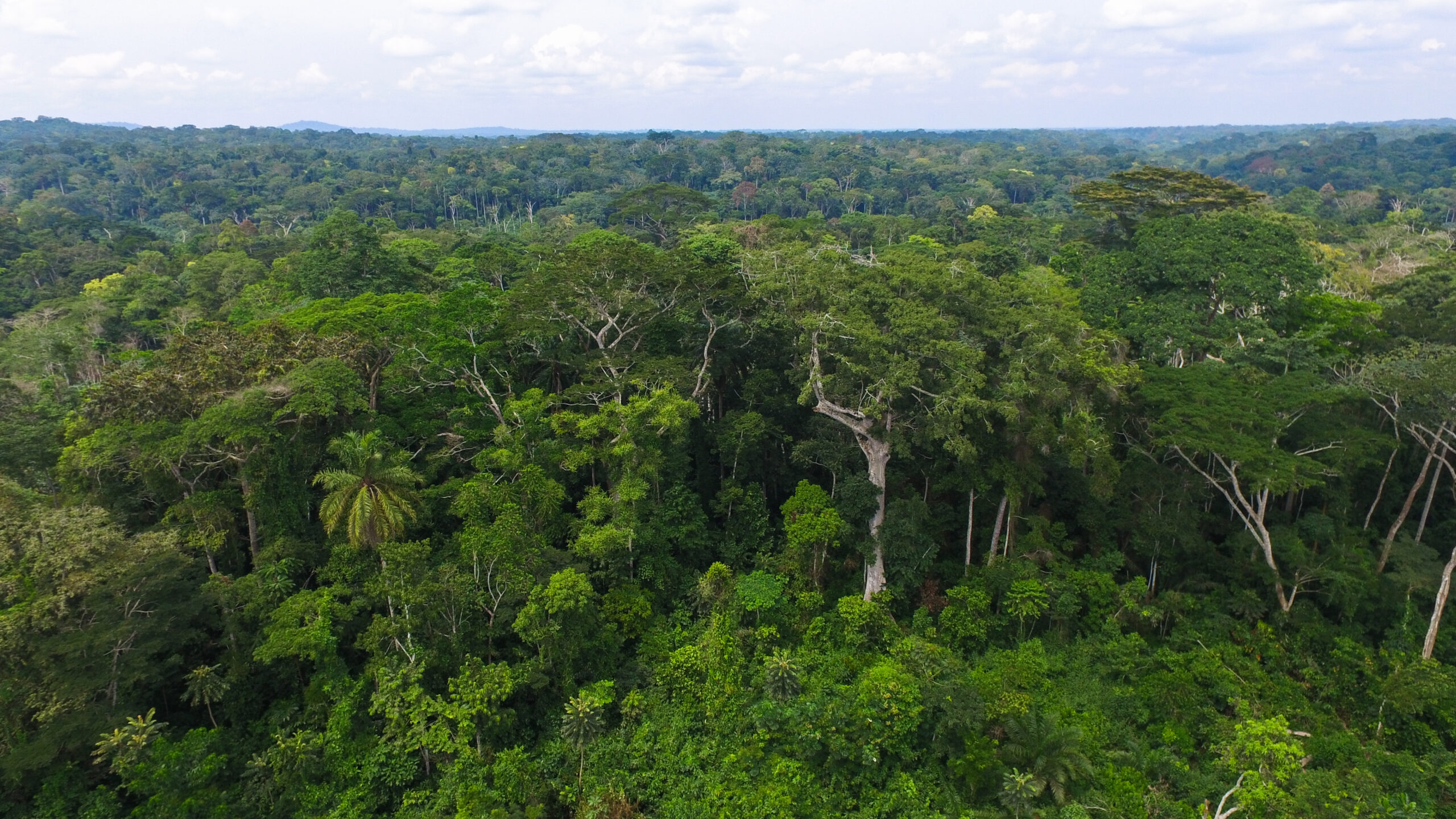
Central African moist forests and savannas are net carbon sinks – for now
A new study has found that Central African moist forests and savannas acted as net carbon sinks from 2010 to…
4 min read -
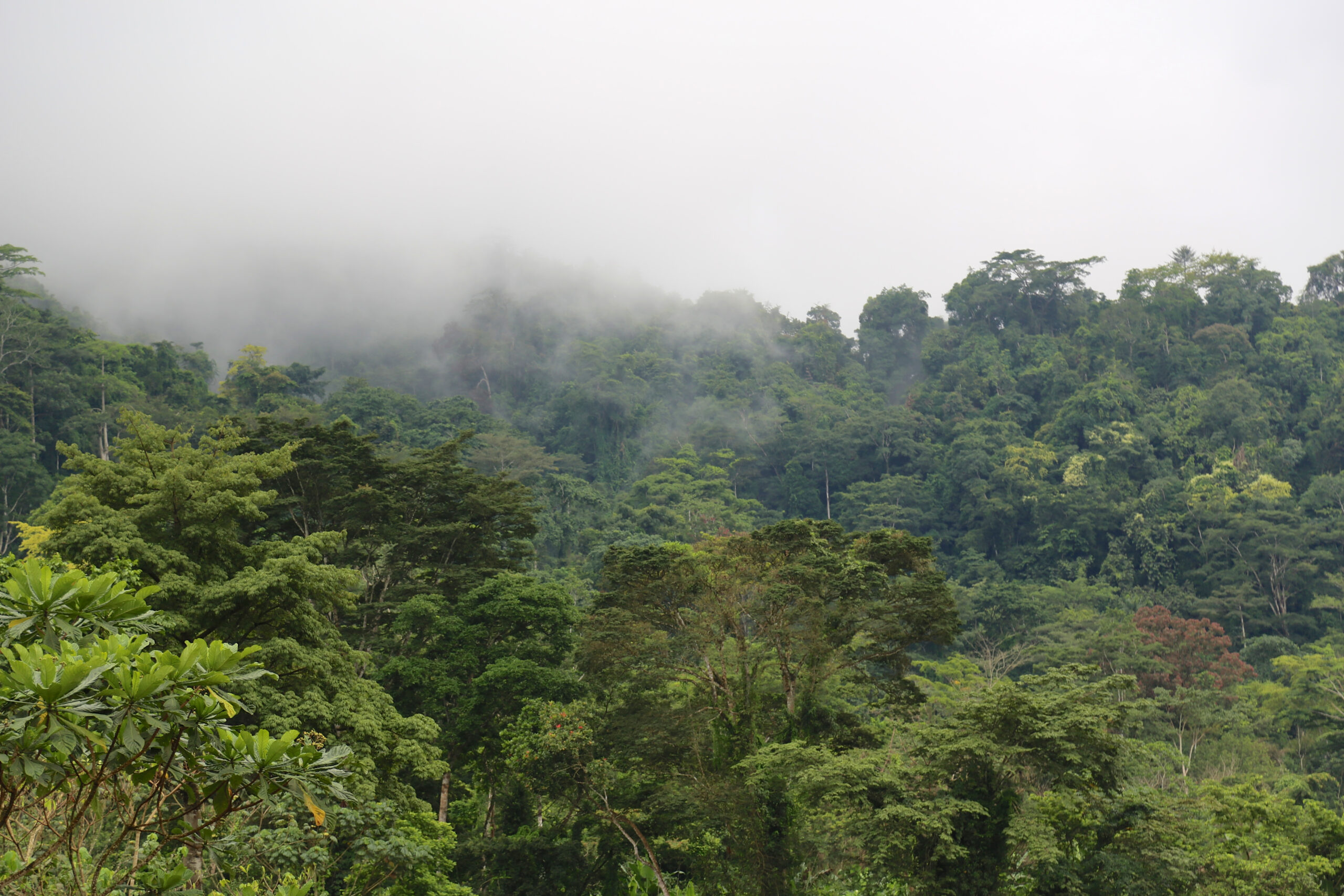
In Cameroon, honing organizational arrangements to boost REDD+
Cameroon is a rainforest-rich country, with about 46% of its land area covered in tropical forest, representing a massive carbon…
5 min read