
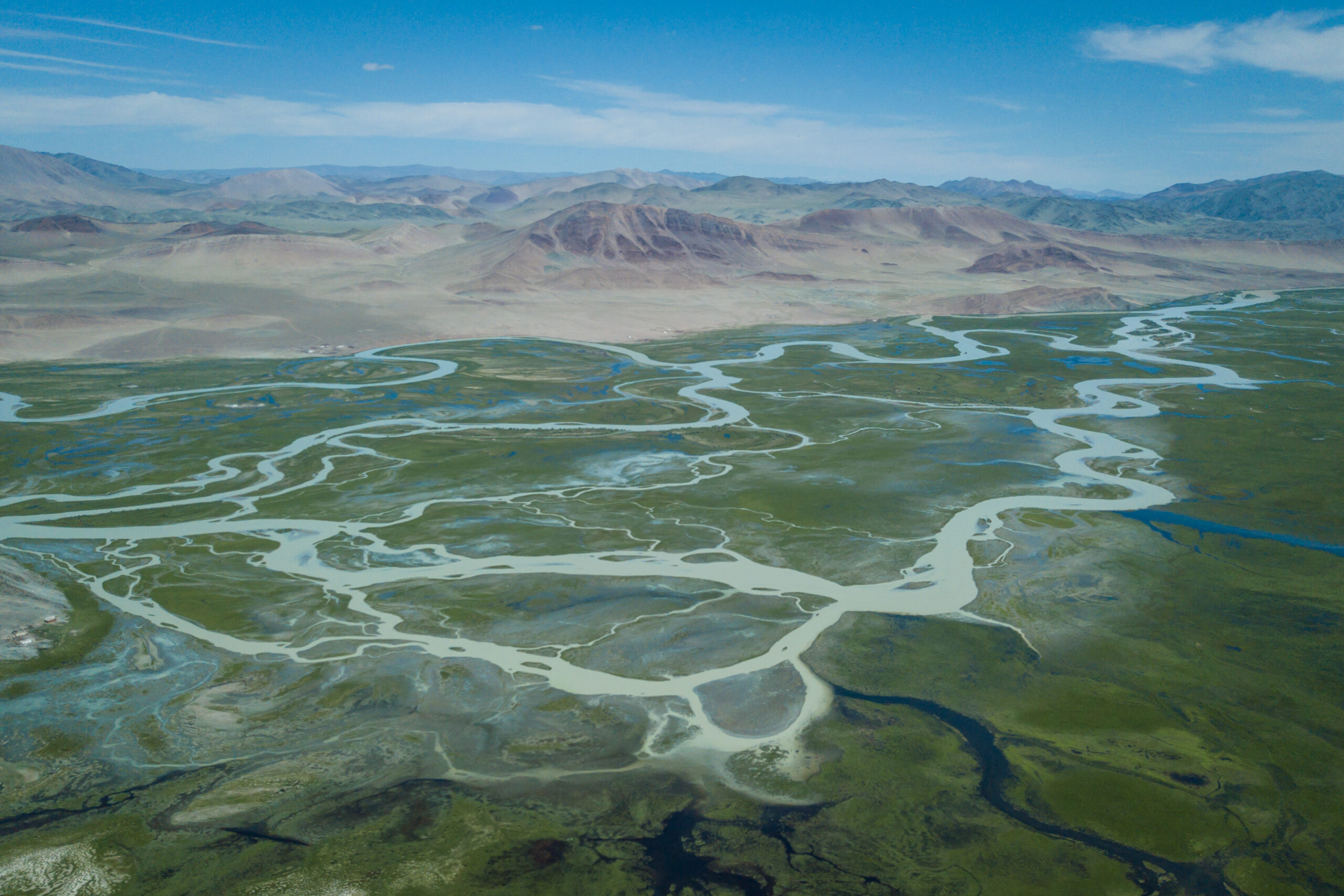
There are few more fitting places for the world to talk about land than Mongolia. Its vast steppes are steeped in history, shaped by centuries of pastoralism and still central to people’s lives and livelihoods today.
This August, the country will host COP17 of the UN Convention to Combat Desertification (UNCCD), putting land restoration, drought, rangelands and pastoralism at the centre of two weeks of global negotiations in Ulaanbaatar.
Mongolia is a pointed choice of host. It is the first country in East and Central Asia to hold a UNCCD COP and put restoration at the centre of national policy while contending with degradation across most of its territory. Its vast rangelands underpin herder livelihoods and food security but are increasingly squeezed by climate change, overgrazing, drought and thinning pasture. COP17 doubles as a stage for the UN International Year of Rangelands and Pastoralists (IYRP 2026), a Mongolian-championed campaign that puts the roughly 500 million people dependent on rangelands squarely on the agenda.
It’s against this backdrop that The World Wildlife Fund (WWF), in partnership with Landscape Alliance, the Coalition of Action for Soil Health (CA4SH) and several other partners, is hosting a field trip that will take participants out of Ulaanbaatar— a capital that holds nearly half of Mongolia’s population — and into Gorkhi-Terelj National Park. There, they will connect with community representatives, herders, local governments and youth groups, learn about community-led initiatives and practical examples of combating desertification, and stay overnight in traditional gers (yurts).
“It’s a great way to get people out into the landscape and up close with some of the issues that the conference is trying to address,” said Leigh Winowiecki, co-lead of CA4SH and Soil and Land Health research theme lead for Landscape Alliance.
This isn’t entirely new ground for Landscape Alliance. In 2025, the organization was in Gorkhi-Terelj for FAO’s Fourth Session of the Committee on Forestry Working Group on Drylands and Agrosilvopastoral Systems and the Third Drylands School.

Also in 2025, Landscape Alliance partnered with the Sustainable Fibre Alliance to run Mongolia’s first Land Degradation Surveillance Framework (LDSF) training. The LDSF is a monitoring tool that Landscape Alliance scientists first developed in 2005 and have since applied in more than 40 countries across the tropics to give researchers, communities and policymakers a consistent way to track soil and land health over time.
That’s a particularly critical task in Mongolia. Grasslands cover about 70 percent of the country’s landmass and directly support the livestock-based livelihoods of much of the population. According to the UNCCD, nearly 77 percent of the country’s land is already degraded, a figure that puts it at almost double the global average. “Droughts are hitting harder and more often, and the annual number of days with sand and dust storms has more than tripled since the 1960s,” said Battsetseg Batmunkh, UNCCD COP17 president-designate and Mongolia’s minister for foreign affairs.
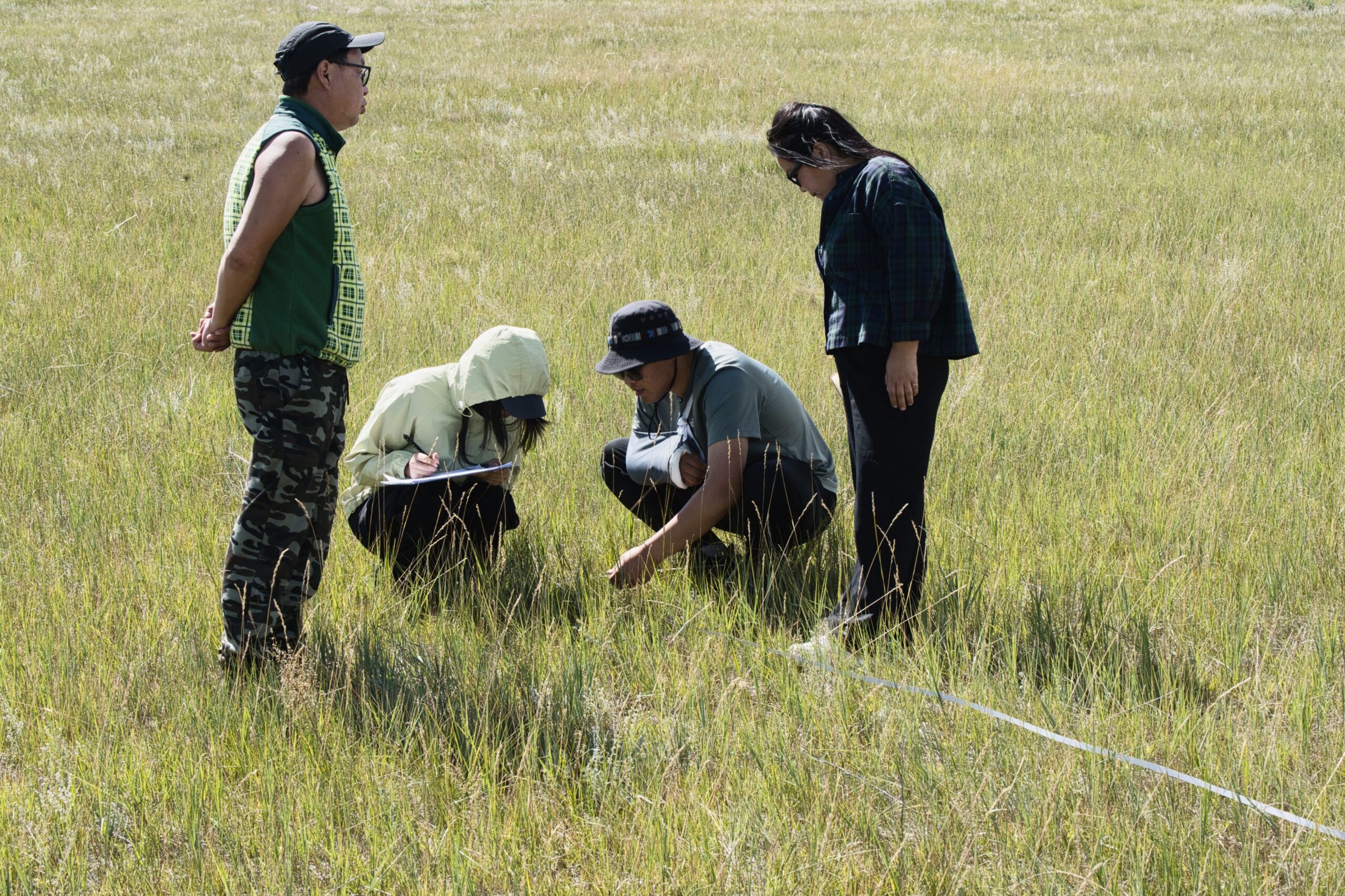
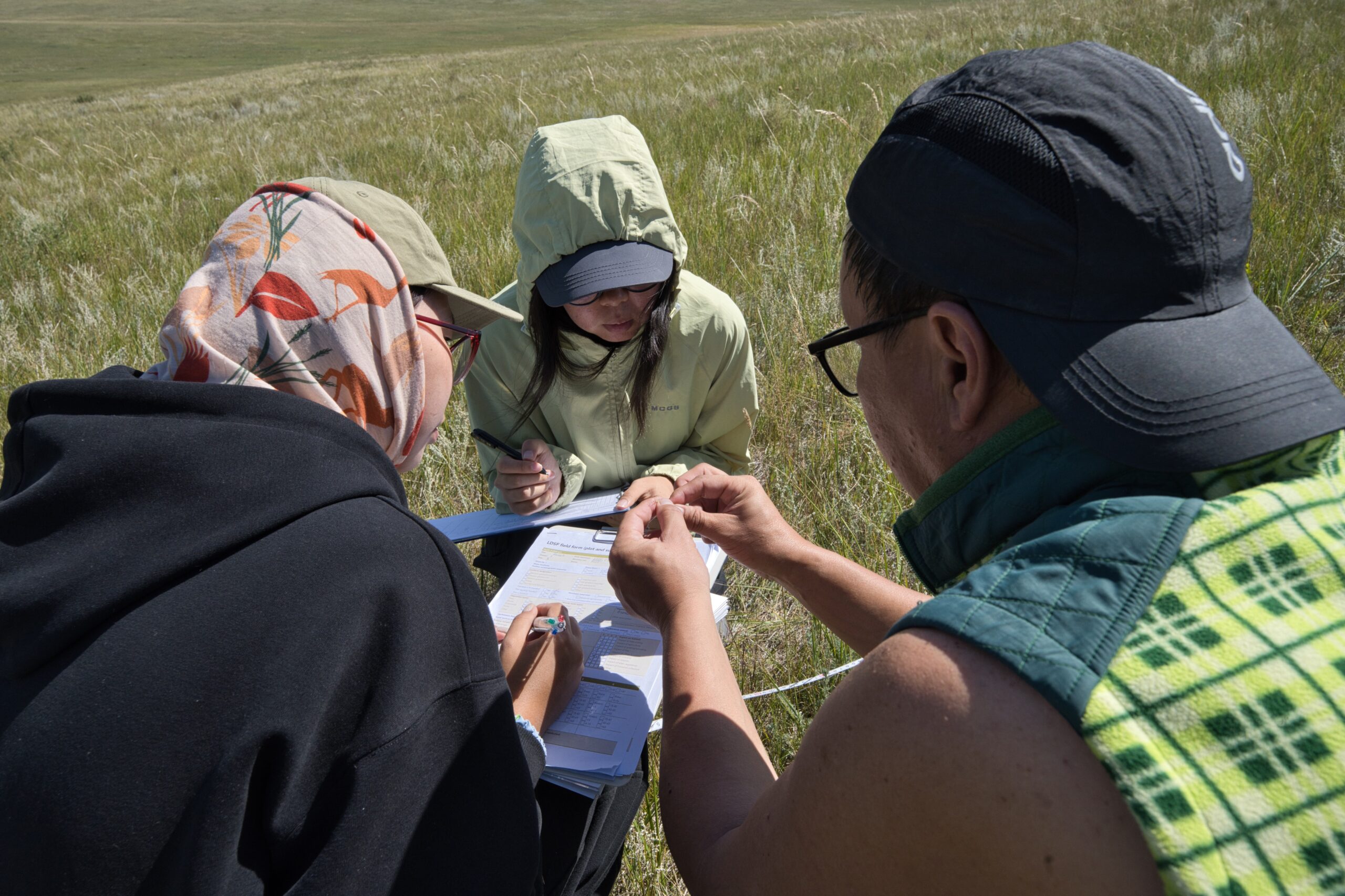
Photo by Tor-Gunnar Vågen / Landscape Alliance
The country is not the only one feeling the impacts of land degradation first-hand. Across the planet, land degradation affects up to 40 percent of land, with severe impacts on the building blocks of human life and society, including food production, water availability, livelihoods and economic stability. That’s the critical context in which UNCCD COP17 enters. Its theme ‘Restoring Land, Restoring Hope’ emphasizes that the convention represents “not only an environmental agenda, but a development and resilience priority,” according to UNCCD Executive Secretary Yasmine Fouad.
“As drought intensifies and land degradation accelerates, the conference must drive practical, investable solutions — from restoring degraded land and soils to strengthening the land–water nexus — so that communities can thrive,” she said.
A wider restoration push
Mongolia is just one front in a much broader restoration push that Landscape Alliance scientists are bringing to COP17. Signed with the European Union in December 2025, Thrivelands is a EUR 20 million initiative designed to accelerate sustainable land management across the world’s drylands. At COP17, the initiative will be unveiled to a global audience through the Ministerial Segment and the Business 4 Land Forum, bringing its ambitions directly into conversations with governments, investors and other partners.
That builds on other EU-backed work already underway. Since 2020, Landscape Alliance has provided technical guidance and cross-project learning to Landscapes For Our Future, a European Commission program supporting more than 20 integrated land management projects across the Global South, from Bolivia to Cambodia.
And in West and East Africa, the second phase of Regreening Africa, which restored more than 217,000 hectares of degraded land and supported over 156,000 households in its first phase, is now under way across seven countries, several of them along the Great Green Wall. Data from that Great Green Wall work — which will be displayed in a pavilion devoted to the topic at UNCCD — now feeds into the Knowledge for Great Green Wall Action (K4GGWA) project.
Filling the data gap
Rangelands like Mongolia’s steppe cover roughly 54 percent of the Earth’s terrestrial surface, hold some 30 percent of global soil carbon and support the traditions and livelihoods of more than 500 million pastoralists worldwide. Yet despite that scale, the ecosystem remains chronically understudied. In a review of more than 6,000 publications on landscape restoration, Landscape Alliance’s soils team found that forests accounted for 78 percent of the research attention, while grasslands drew just 6 percent.
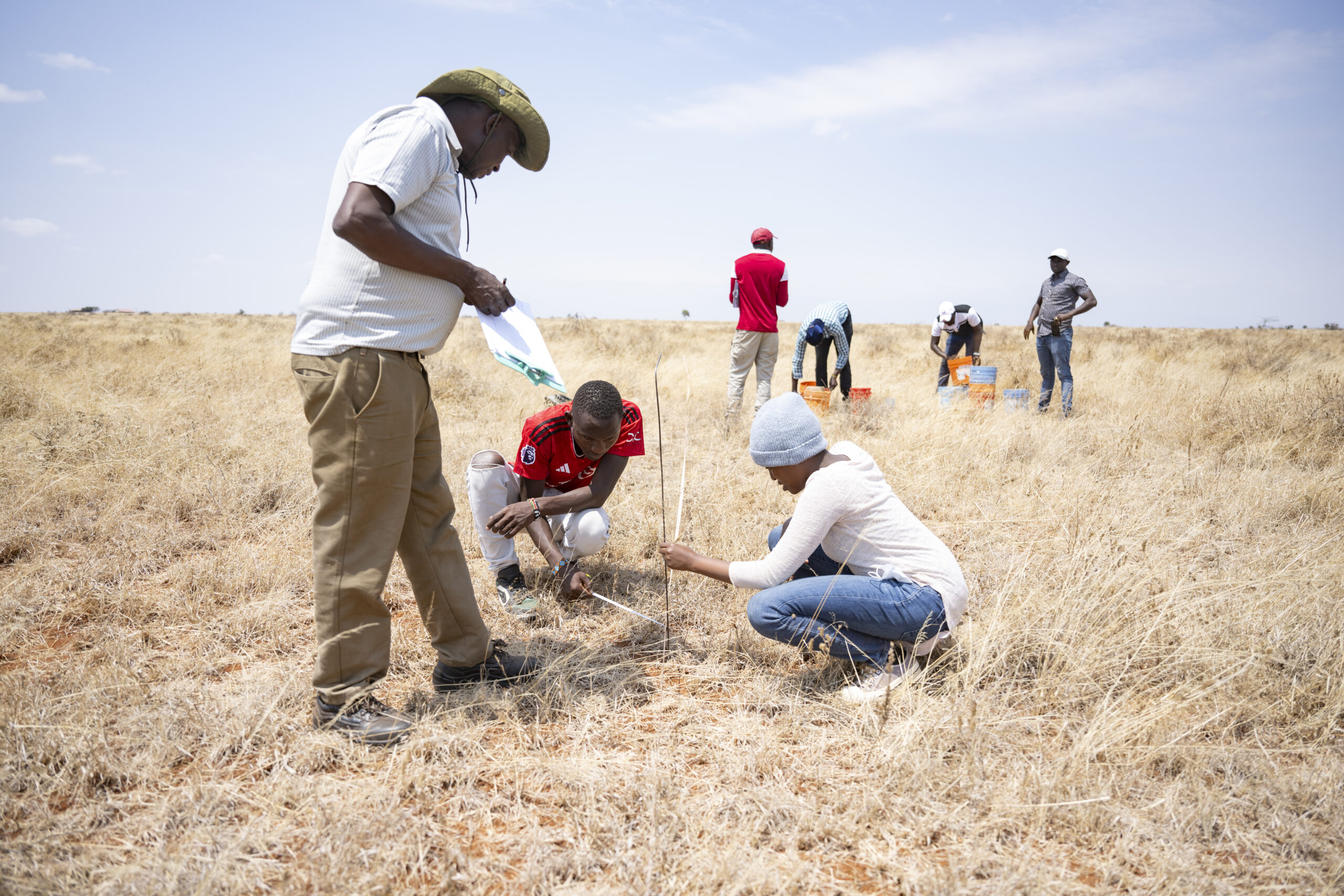
That data gap is part of what field-based monitoring work, like that done under the LDSF, seeks to close. In Kenya, Landscape Alliance has applied the framework across the Laikipia Conservancies and the Amboseli Ecosystem, working with the Nature Conservancy and the Amboseli Ecosystem Trust to track vegetation change, soil carbon and rangeland condition over time.
This work has fed into STELARR (Sustainable Investments for Large-Scale Rangeland Restoration), a Global Environment Facility-funded project to channel private-sector profits from rangeland-dependent supply chains, including Mongolia’s cashmere trade, one of the value chains it targets, back into restoration.
On solid ground
For Winowiecki, who has been advocating on the importance of soil health for decades, the space and attention devoted to the topic at this year’s conference is gratifying. Until COP16 in Riyadh, Saudi Arabia in 2024, soil health wasn’t mentioned specifically in the convention. It was considered to come under the banner of land health, but tended to be neglected.
Then, a specific decision on restoration of soils on agricultural lands (Decision 19) made it into the agreement. Rangelands and pastoralism, another historically neglected area, also featured (Decision 29). “This is a landmark decision that recognizes the critical role of healthy soil in advancing the global restoration agenda,” said Winowiecki.
This year, it’s all systems go. For the first time, UNCCD is celebrating Food Systems and Soil Health day — scheduled for Thursday, 27 August — for which Landscape Alliance and CA4SH form part of the steering committee. They’re also hosting a soil health leadership dinner. “We have a real agenda,” said Winowiecki.
Elsewhere at COP17, Landscape Alliance scientists are contributing to more than 25 side events, highlighting how landscape restoration can deliver for nature and people. These include the official Food Systems and Soil Health Day, the UNCCD’s Business 4 Land initiative and a training session on sustainable landscape management.
Meanwhile, the Global Landscapes Forum (GLF) comes ready to build on momentum from the recent GLF Africa 2026 conference ‘Stewarding Our Rangelands’, as well as regional dialogues, digital campaigns and work with communities around the world. “UNCCD COP17 comes at a critical moment to move from global commitments to action that is visible in landscapes and meaningful to the people who depend on them,” said GLF’s Director, Kamaluddin Prawiranegara.
“We want to help bring together science, policy and finance with the lived experience of local communities, Indigenous Peoples, youth and restoration practitioners. We see COP17 as an important opportunity to bring locally led solutions to the forefront, strengthen investment in healthy and resilient landscapes, and ensure that the people stewarding the world’s lands are not simply part of the conversation, but are shaping the decisions, solutions and benefit-sharing that follow.”
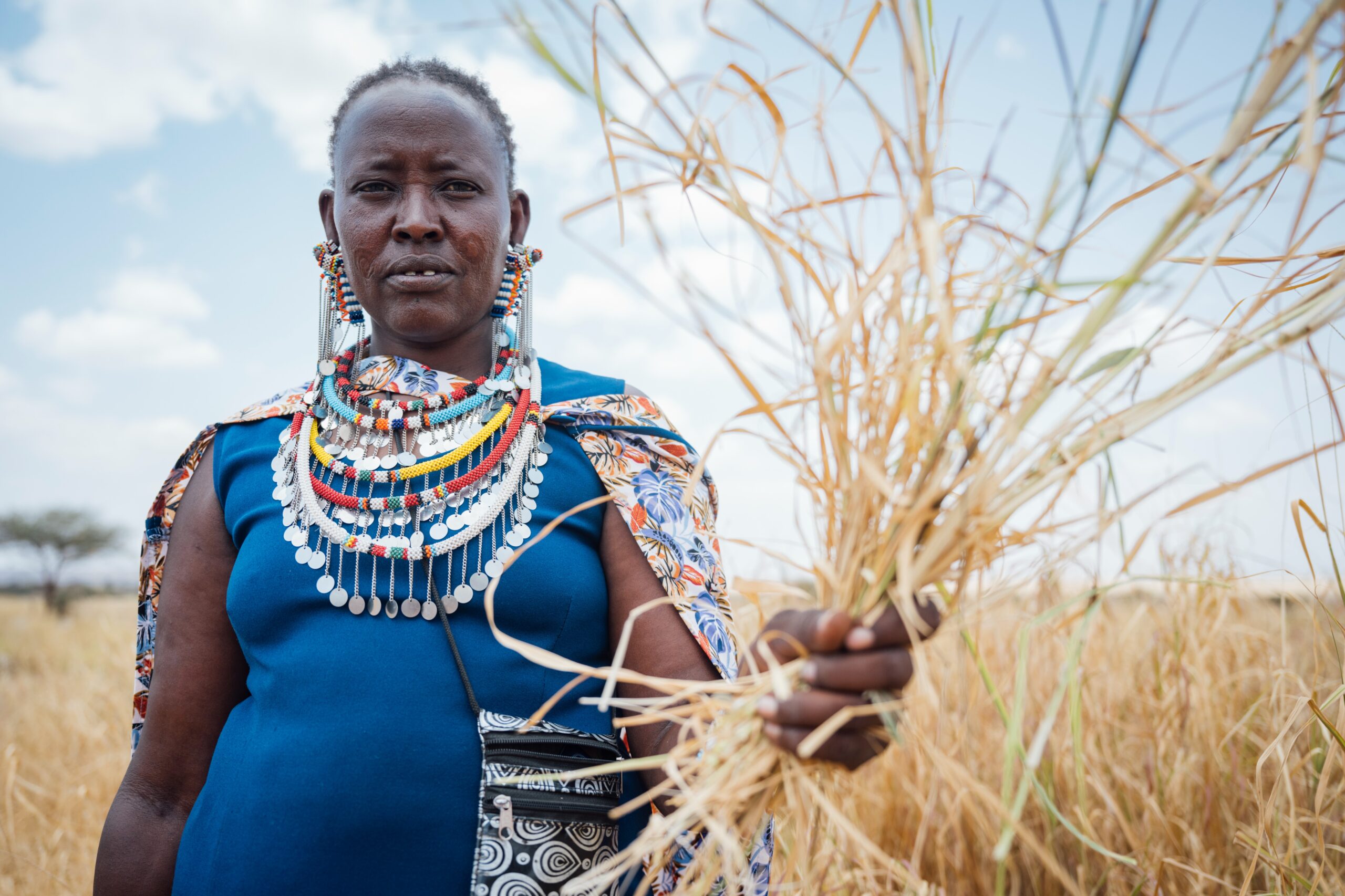
Given that slant, one of the most exciting things planned for Food Systems and Soil Health Day, says Winowiecki, is its close: youth-led programming including the launch of an implementation plan for the Youth4Soil Manifesto, launched on World Soil Day (December 5) in 2025. “It’s the perfect way to end the day: on the youth voices and how they can carry it forward,” Winowiecki said.
For Landscape Alliance CEO Éliane Ubalijoro, the Mongolia trip and the wider COP17 push reflect the organization’s broader strategy. “Soil health is where restoration begins,” she said. “It is reflected in the land’s ability to nourish crops, sustain biodiversity and support the farmers, pastoralists and communities whose lives depend on it. At Landscape Alliance, we are bringing together cutting-edge research, advanced landscape monitoring and community knowledge to understand how landscapes are changing, guide investment to where it is needed most and ensure restoration delivers lasting results.”
For more information, please contact Leigh Ann Winowiecki, [email protected]