
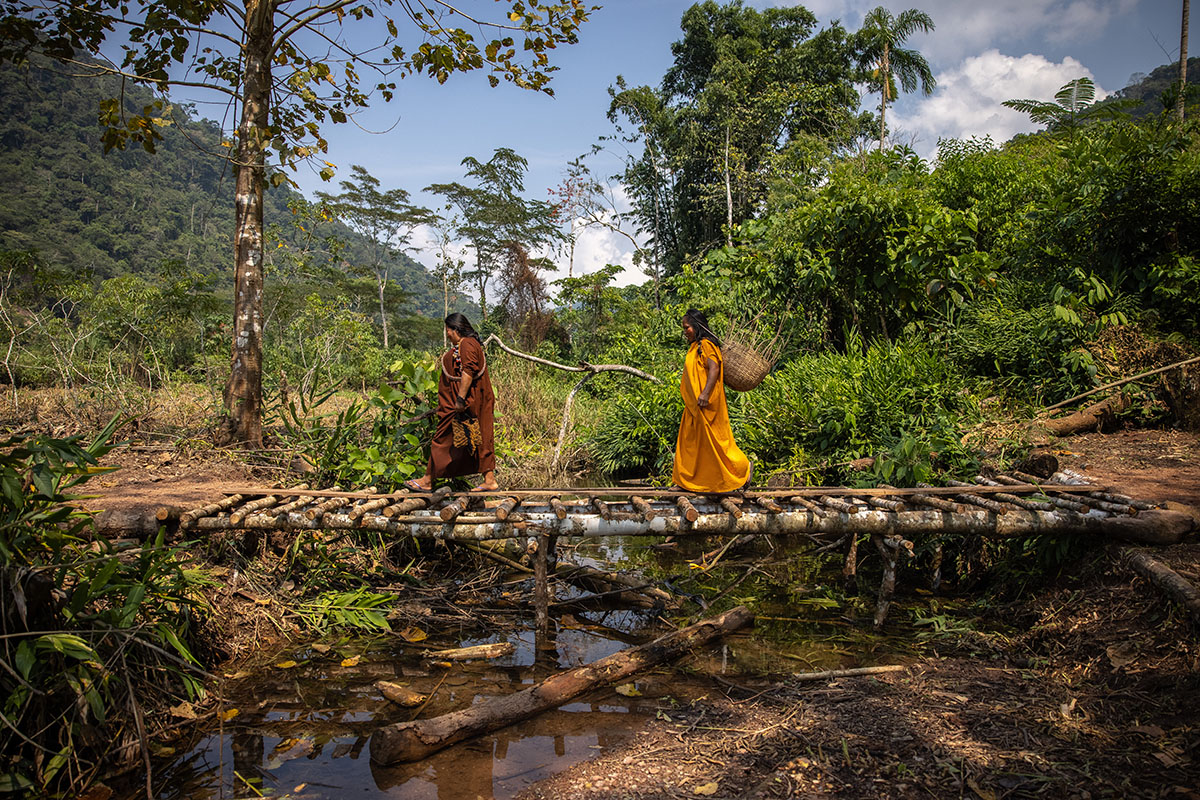
Some 18 years after Peru began working to generate verifiable carbon credits in the fight against climate change, stakeholders are still struggling to understand what “high-integrity carbon” means in the context of jurisdictional Reducing Emissions from Deforestation and Forest Degradation (REDD+), a global mechanism to fight climate change through forest conservation, raising concerns about a wide gap between the rhetoric and reality on the ground.
New research based on interviews with stakeholders – from the private-sector to government to Indigenous Peoples organizations – finds broad agreement that jurisdictional REDD+ (JREDD+) initiatives should incorporate social criteria alongside environmental requirements.
But concerns about what it actually means in practice, compared with the rhetoric, remain widespread. In part, that’s because JREDD+ has only begun to gain momentum.
“It’s new and hasn’t been widely discussed as yet,” said Vania Martínez, senior research associate in Rights and Environmental Justice with Landscape Alliance and one of three co-authors of the research brief.
Peru began work on projects under REDD+ in 2008 under the leadership of the Ministry of the Environment (MINAM).
Since then, concerns about the credibility of REDD+ have grown worldwide, while demand for voluntary carbon credits from project-based REDD+ has fallen significantly. That collapse is now driving greater interest in high-integrity carbon, with a focus not only on the validity of carbon credits but also on governance, transparency and respect for the rights of Indigenous Peoples and local communities (IP&LCs).
At the same time, donors and governments have been moving toward jurisdictional models of REDD+ that are seen as more credible and integrated than individual projects.
Based on 18 interviews conducted between June and August 2025 with private-sector representatives, Indigenous organizations, non-governmental organizations (NGOs), experts and government officials, the research finds broad agreement that high-integrity carbon has moved beyond a narrow “do no harm” standard to incorporate social criteria.
But beneath that consensus lie numerous questions and concerns among local communities and stakeholders about what JREDD+ and high social integrity mean in practice.
REDD+ efforts initially centred on forestry-sector measurements, with limited attention to social safeguards, fueling tensions with IP&LCs in whose territories projects were sited. Pressure from donors and rights advocates later pushed social criteria into the definition of credit integrity, initially with the 2010 Cancún safeguards (agreed during COP 16), which established a more limited “do no harm” framework, and more recently toward a concept that weighs carbon and social impacts together more rigorously.
“A jurisdictional approach from a governance perspective is a way to address investment, drivers of deforestation, including all of the underlying causes, and come up with another – sustainable – way of supporting development in your jurisdiction,” said Anne Larson, a principal scientist with Landscape Alliance and co-author of the brief, as well as a newly published review of three JREDD+ landscapes: Brazil, Indonesia and Peru.
High-integrity carbon with a strong social element is necessary for success, but proponents also need clear tools and objectives, said co-author Gabriela Gonzales Malca, a senior research Associate in Environmental Governance with Landscape Alliance.
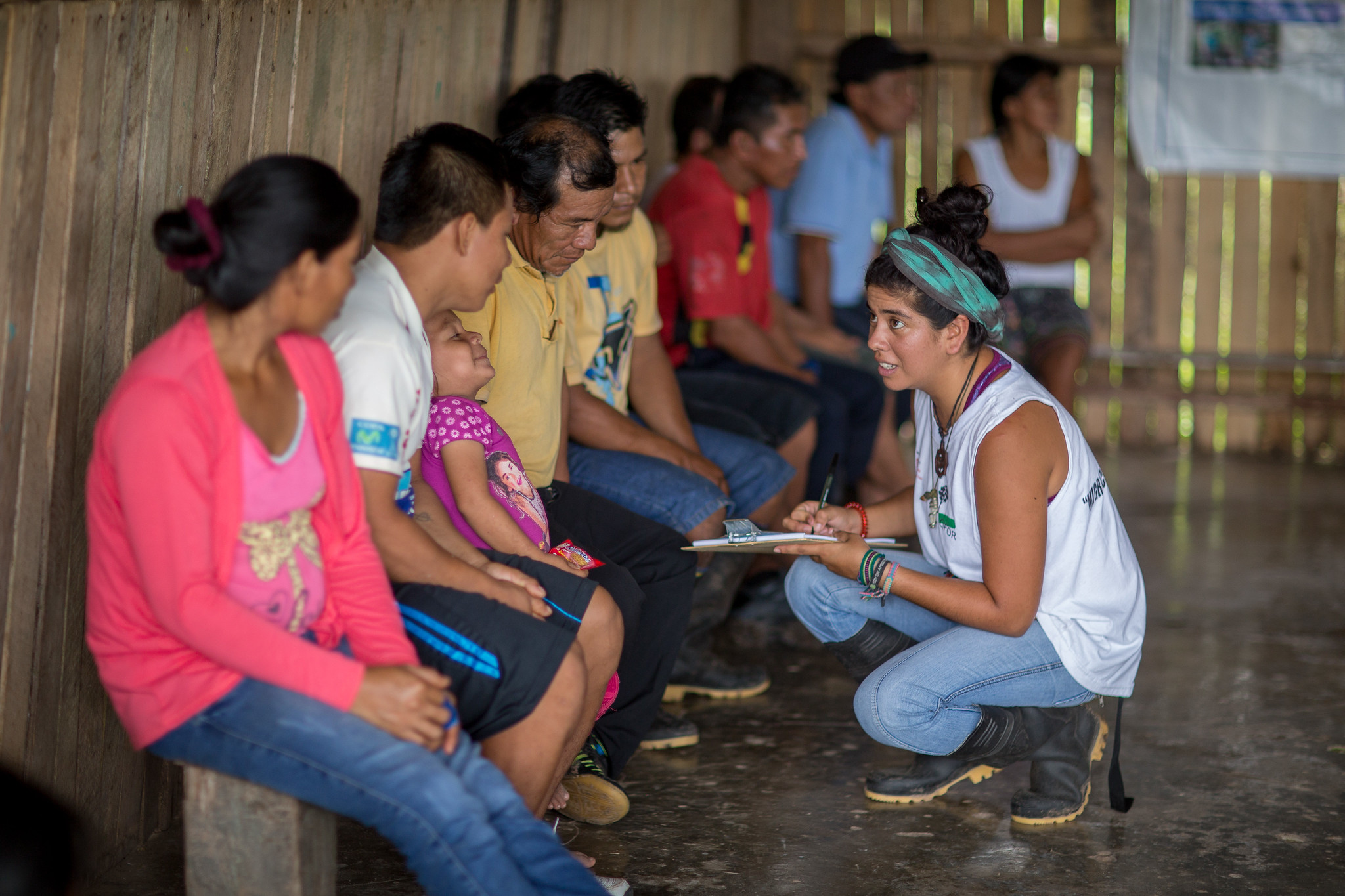
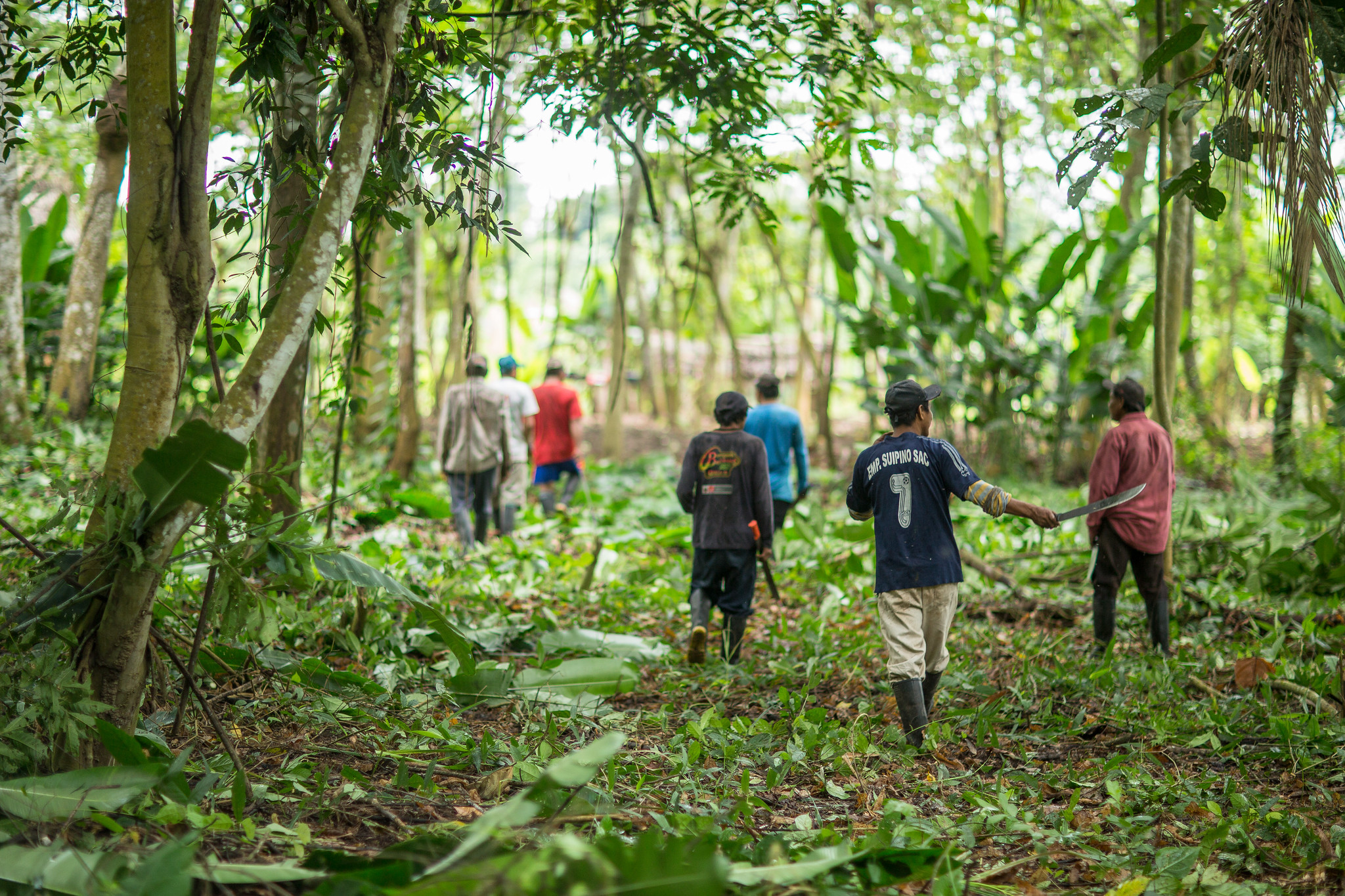
“People talk about it, but when it comes to putting it into practice, it tends to crash,” added Gonzales Malca. Several NGO representatives interviewed during the research voiced similar scepticism. One Indigenous expert warned that if not fully and properly implemented, a JREDD+ initiative could be reduced to a profit-driven market with no benefit to local communities.
Asked by researchers to rank priority aspects of high integrity, stakeholder groups diverged.
NGOs emphasized financial accountability and equitable benefit sharing, noting that 70 percent of credit value is meant to reach forest stewards. Indigenous organizations prioritized inclusive governance and financial sustainability. Experts treated clearly defined rights and benefit sharing as a prerequisite for everything else. The private sector prioritized land rights and formal titling, citing the cost and legal certainty operators need.
Nearly all groups converged on “inclusive governance” as a touchstone, but Martínez said the concept is understood so broadly that it is hard to translate into practice and difficult to measure on the ground. As a result, verification too often defaults to well-known carbon metrics or document compliance.
The sharpest divide involved sociocultural priorities – Indigenous governance recognition, an intercultural approach and territorial flexibility – championed almost exclusively by Indigenous leaders.
Asked which stakeholders already promote high social integrity, survey respondents described a fragmented landscape: NGOs cited PROFONANPE (the Peruvian Trust Fund for National Parks and Protected Areas); officials pointed to the Peru Carbon Forum; and Indigenous organizations and experts most often named Grupo Perú, and its incipient and ambitious Indigenous-led jurisdictional REDD+ programme.
Most recently, Peru’s innovative JREDD+ approach has been jointly led by MINAM and Grupo Perú – a coalition of the Interethnic Association for the Development of the Peruvian Rainforest (AIDESEP), the Confederation of Amazonian Nationalities of Peru (CONAP) and the National Association of Executors of Contracts for the Administration of Communal Reserves of Peru (ANECAP).
It has been described as the world’s first jurisdictional REDD+ programme on Indigenous lands, in which Indigenous organizations act as strategic decision-making partners rather than simply beneficiaries. It builds on the Amazon Indigenous REDD+ (RIA) approach, promoted by AIDESEP, that set the recognition of collective land tenure, effective participation in decision-making, and equitable access to benefits as minimum conditions in early discussions of REDD+.
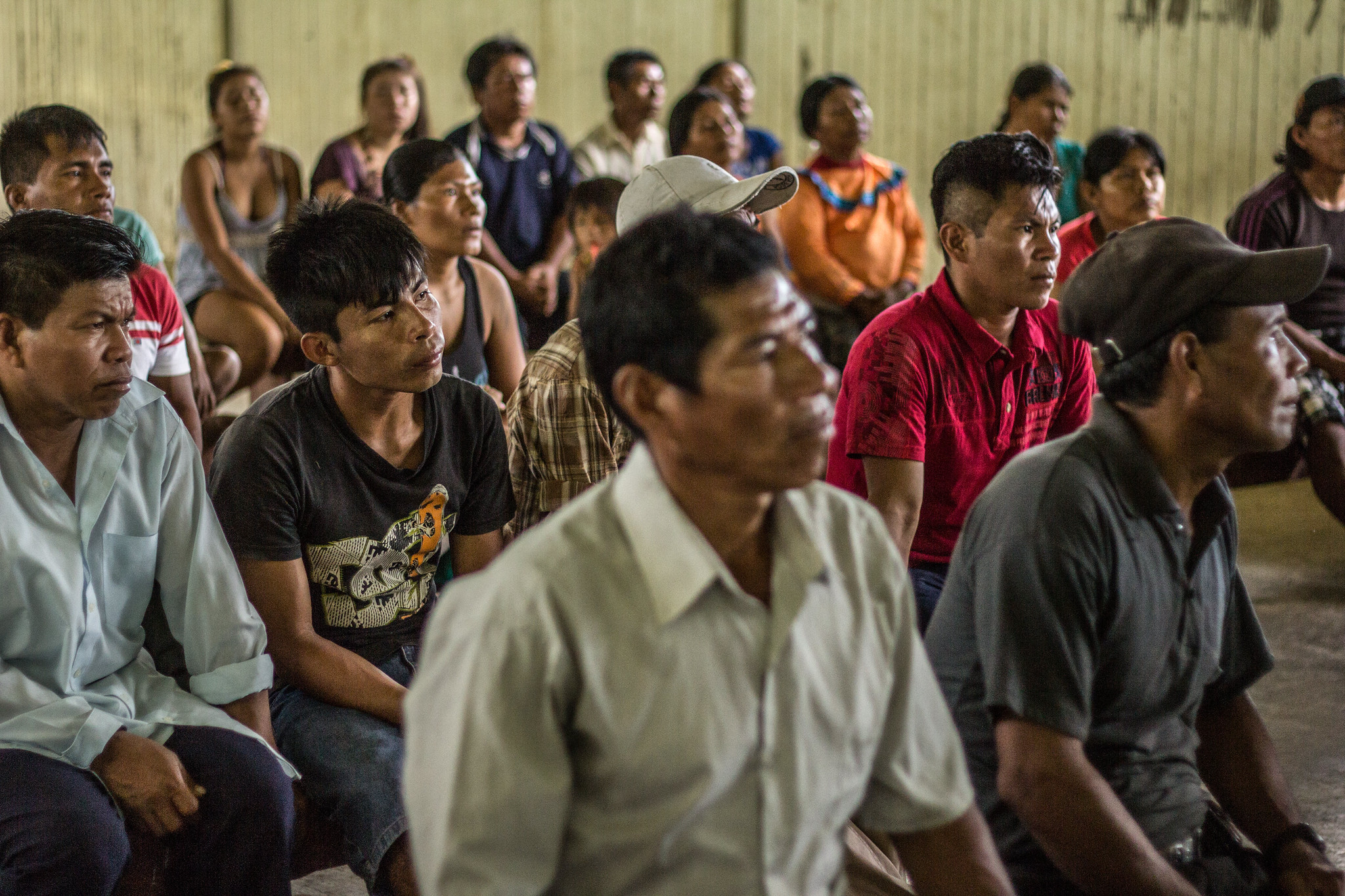
Most Indigenous participants interviewed agreed Grupo Perú’s approach represents a meaningful step toward high integrity because it integrates community decision-making, benefit sharing and consultation across all territorial communities, Gonzales Malca said, calling it “an important approximation for high integrity.”
But Larson cautioned that Grupo Perú alone does not constitute a full jurisdictional approach, since deforestation drivers largely originate outside Indigenous lands.
“This means Grupo Perú not only needs to continue to work well with the Ministry of the Environment, but also that other government ministries need to be deeply involved, which seems unlikely,” she said.
Without policy coherence – aligning REDD+ with land titling, investment and enforcement against illegal activity – external pressures could undermine climate outcomes even where communities manage territories well, the authors write.
Martínez said she was struck, in an interview with a Ministry of the Environment official, by how much faster Grupo Perú was moving on JREDD+ than the state itself, which has other priorities.
A former MINAM official agreed it is premature to call JREDD+ high integrity while roadmap consultations are just beginning, instead proposing a concrete test: whether free, prior and informed consent includes – and genuinely benefits – every community.
Those, the authors conclude, are key indicators of whether high (social) integrity amounts to more than rhetoric.