

Rangelands, or the vast landscapes grazed by livestock or wildlife, sustain the livelihoods of around two billion people around the world. Yet in some places, they are disappearing faster than rainforests. In Africa, roughly half the continent is dryland used for grazing, stretching across the Great Green Wall countries in the Sahel and the Horn of Africa.
Mobile pastoralism is increasingly recognised as one of the most sustainable food systems on the planet, particularly in drylands. But agricultural expansion, infrastructure development and land privatization have fractured traditional migration routes to water and pasture. As herders are forced to settle, pressure concentrates on smaller areas, leading to overgrazing — and, ultimately, to degraded landscapes that deepen poverty, intensify competition over resources and fuel conflict.
Across the continent, however, a growing movement is demonstrating that livestock can become a force for restoration rather than degradation. By rethinking how herds move and graze, communities are turning bare soils into productive grasslands that support food and water security, boost incomes from livestock and tourism and point to what is possible when rangelands are managed collectively.
That promise was at the centre of the online cross-learning session Unlocking the power of regenerative grazing, hosted by Knowledge for Great Green Wall Action (K4GGWA). The event brought together practitioners, researchers and civil society leaders working across Africa to examine how holistic grazing management — designed to mimic natural herd movements — can restore land and livelihoods.
Below are the key takeaways on what works, why it works and what it will take to scale regenerative grazing, building on the momentum of the International Year for Rangelands and Pastoralists 2026 and COP17 of the United Nations Convention to Combat Desertification (UNCCD), to be held in Mongolia in August.
Mimicking nature
Well-planned grazing can nurture the land instead of depleting it. Holistic grazing management is a modern spin on traditional mobile pastoralism: combined herds are densely packed ins paddock limited by fences or herders, grazed briefly in small paddocks defined by fencing or herders, then moved on together to the next paddock as a single community herd, leaving the ground freshly cropped and fertilized, allowing the land time to recover.
When animals return months later, the soil is covered with healthy grasses. Ticks left behind have starved, reducing disease risk. Perennial plants re-establish themselves, offering animals a more diverse diet that supports natural self-medication. The result is healthier soils, more resilient ecosystems, stronger livestock and pastoral communities better equipped to withstand climate shocks.
“In nature, herbivores are kept densely bunched and constantly on the move by predators — a dynamic that has shaped grasslands for at least the last 30 million years,” explained Patrick Worms, senior science policy adviser at the Center for International Forestry Research and World Agroforestry (CIFOR-ICRAF).
“This builds thriving grasslands and moves enormous quantities of atmospheric carbon deep into the soil. Livestock that wander freely in the same paddock for long periods overgraze the plants they prefer and fertilize those they avoid. But if we imitate nature, we can get productive pastures back. Livestock can be among the most destructive — and also among the most regenerative — forces.”
Triple dividends
Across Africa, regenerative grazing is showing tangible benefits for people, livestock and wildlife alike. Speakers shared experiences from Kenya and Somaliland in East Africa, Zimbabwe and Zambia in southern Africa and Senegal and Burkina Faso in West Africa.
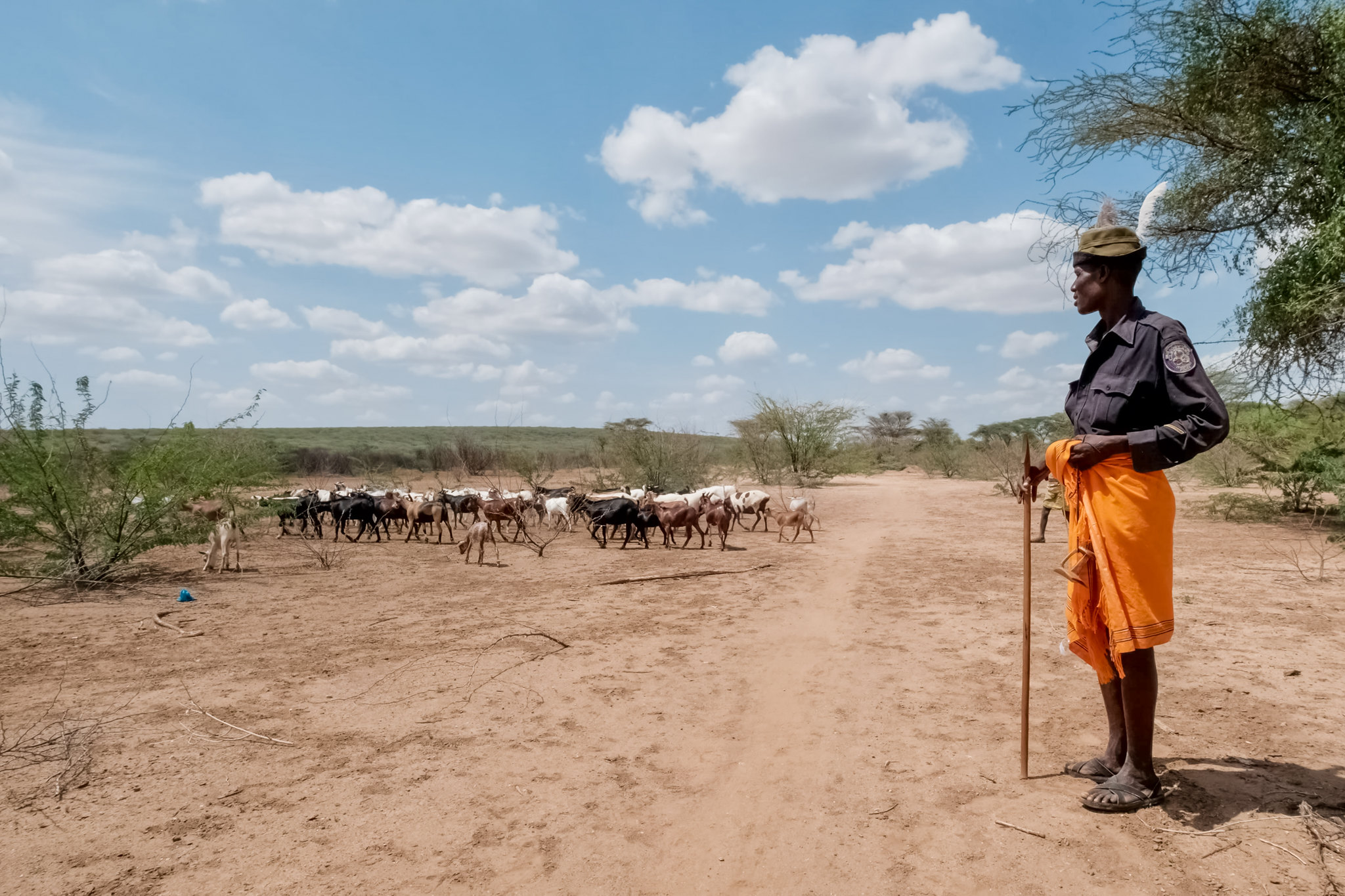
In Kenya’s northern Maasai Mara, the Enonkishu Conservancy has brought together 41 landowners — nearly half of them women — to manage cattle collectively rather than competing over the same grazing patches year-round.
“We are doing conservation with livestock,” said Leshan Nampaso, a holistic grazing management trainer. “We restored bare soil to the vibrant savanna it once was. Wildlife returned, and the community now earns income from tourism as well as livestock. It is a triple win.”

From barren to bountiful
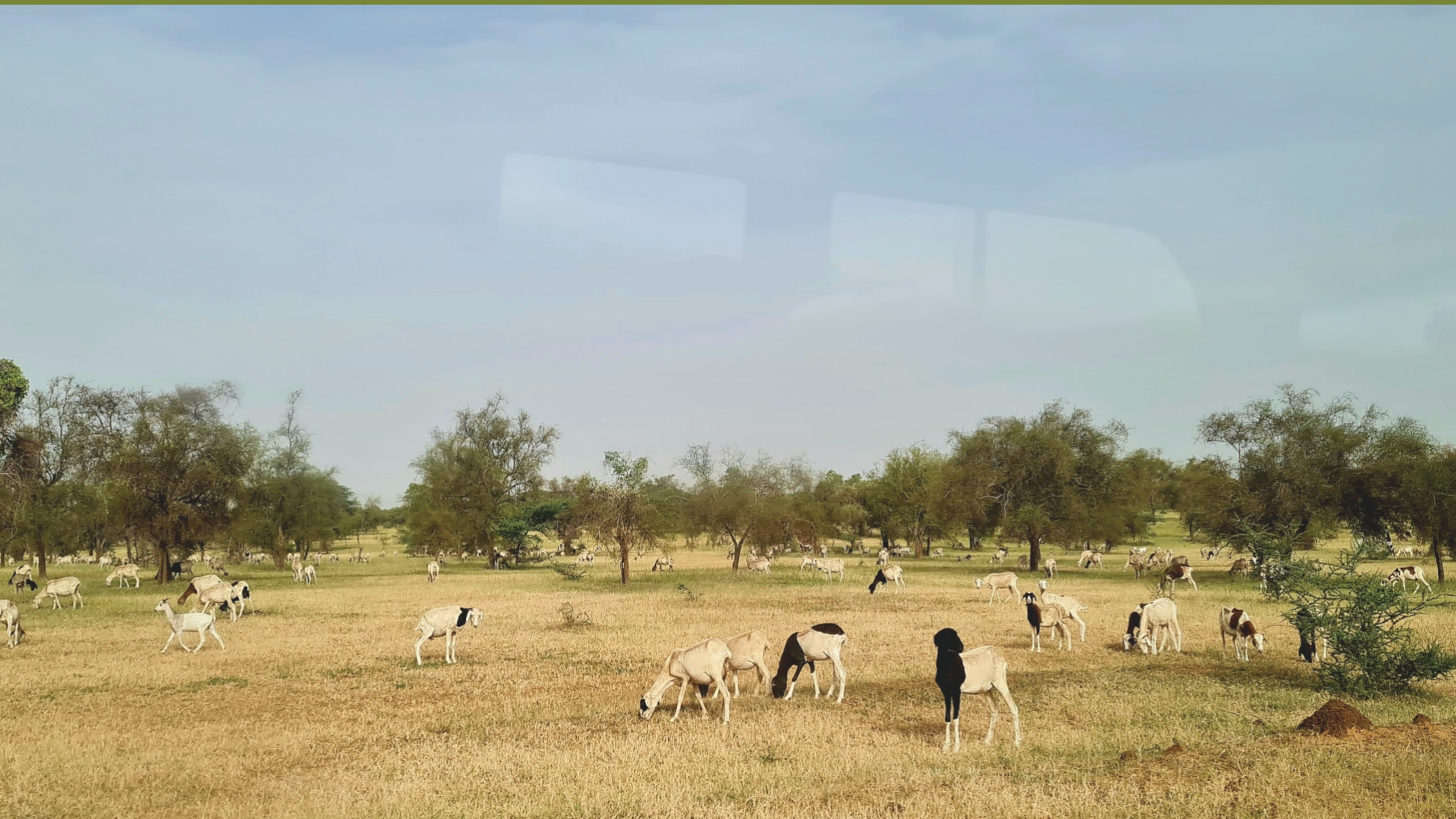
Healthy rangelands act as natural sponges, absorbing rainfall and releasing it slowly over time. In Zimbabwe, a collaborative rangeland restoration initiative demonstrated just how quickly that function can return. After 30 months of holistic grazing, a stream that had been dry since 1996 began flowing again, said Astrid Hueling, a consultant with the Participatory Ecological Land Use Management (PELUM) network.
In Zambia, Grassroots Trust has seen the approach double cattle numbers, increase productivity and income and reduce the risk of dry-season fires. “We are recovering traditional knowledge and building on it,” said Rolf Shenton, a Zambian conservationist and founder of Grassroots Trust. “Livestock become a restoration tool.”
Even in drought-prone areas such as Somaliland, restoration is possible. Photographs shared during the session showed rangeland divided by a fence: on one side, land managed under holistic grazing; on the other, ground degraded by overuse. The contrast was stark. The green grass is greener on the other side.
“We are now working with neighbouring communities to improve their management,” said Benjamin Sellé of Bizra, a social enterprise partnering with local landowners. “Otherwise, they end up grazing on our grass.”
Change at scale
By blending the best scientific evidence with traditional knowledge, regenerative grazing has the potential to transform lands and livelihoods and help in restoring Africa’s rangelands and advancing the Great Green Wall. Scaling this approach, however, requires more than funding alone.
For speakers, scaling this vision demands more than just funding: it requires shifting governance reforms, behaviour change and sustained capacity building. Priorities include partnering with local institutions that oversee each landscape; advancing policy coherence; and ensuring that sustainable grazing is rooted in community-led, participatory land-use plans that remain affordable and cost-effective over the long term.
Restoring rangelands depends on robust land-use planning secure tenure — including user rights over communal lands — and peace and security.
But success also hinges and ultimately depends on people: equipping local facilitators with practical, flexible, step-by-step tools to ensure communities can maintain their gains long after the projects have concluded, as highlighted by Jason Sircely, senior scientist at the International Livestock Research Institute based in Kenya.
“The International Year for Rangelands and Pastoralists 2026 is an opportunity to champion mobile pastoralism not just as cultural heritage, but as a solution to today’s global challenges,” said Mawa Karambiri, policy and technical engagement specialist for the Sahel at CIFOR-ICRAF. “By recognizing pastoralists and regenerative grazing, we acknowledge their central role in addressing biodiversity loss, climate change and food and water security.”
Acknowledgements