Forests News
-
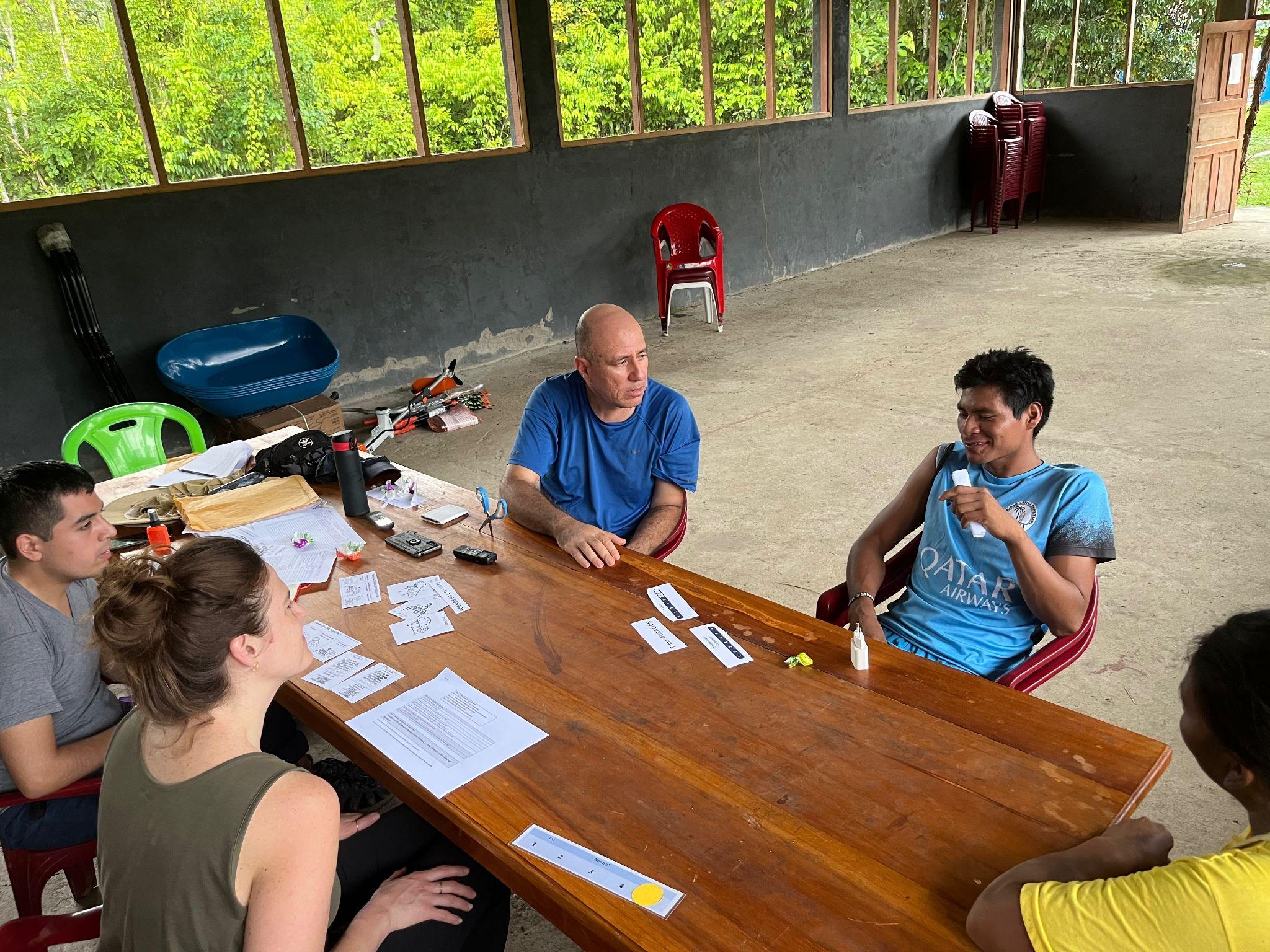
How forest conservation incentives introduce both problems and opportunities in Peru
Peru is a pioneer in state-led incentives for forest conservation. In 2010, with the ambitious goal of reducing deforestation of…
3 min read -

Lessons from a decade of jurisdictional approaches in Southeast Asia
Soon after the massive forest and peat fires that affected Indonesia in 2015, South Sumatra decided to pioneer a new…
5 min read -

Mining in the Congo rainforest causes more deforestation than previously assumed
A new study published in Nature Sustainability sheds light on the far-reaching impact of mining beyond the excavation site. Conducted…
3 min read -
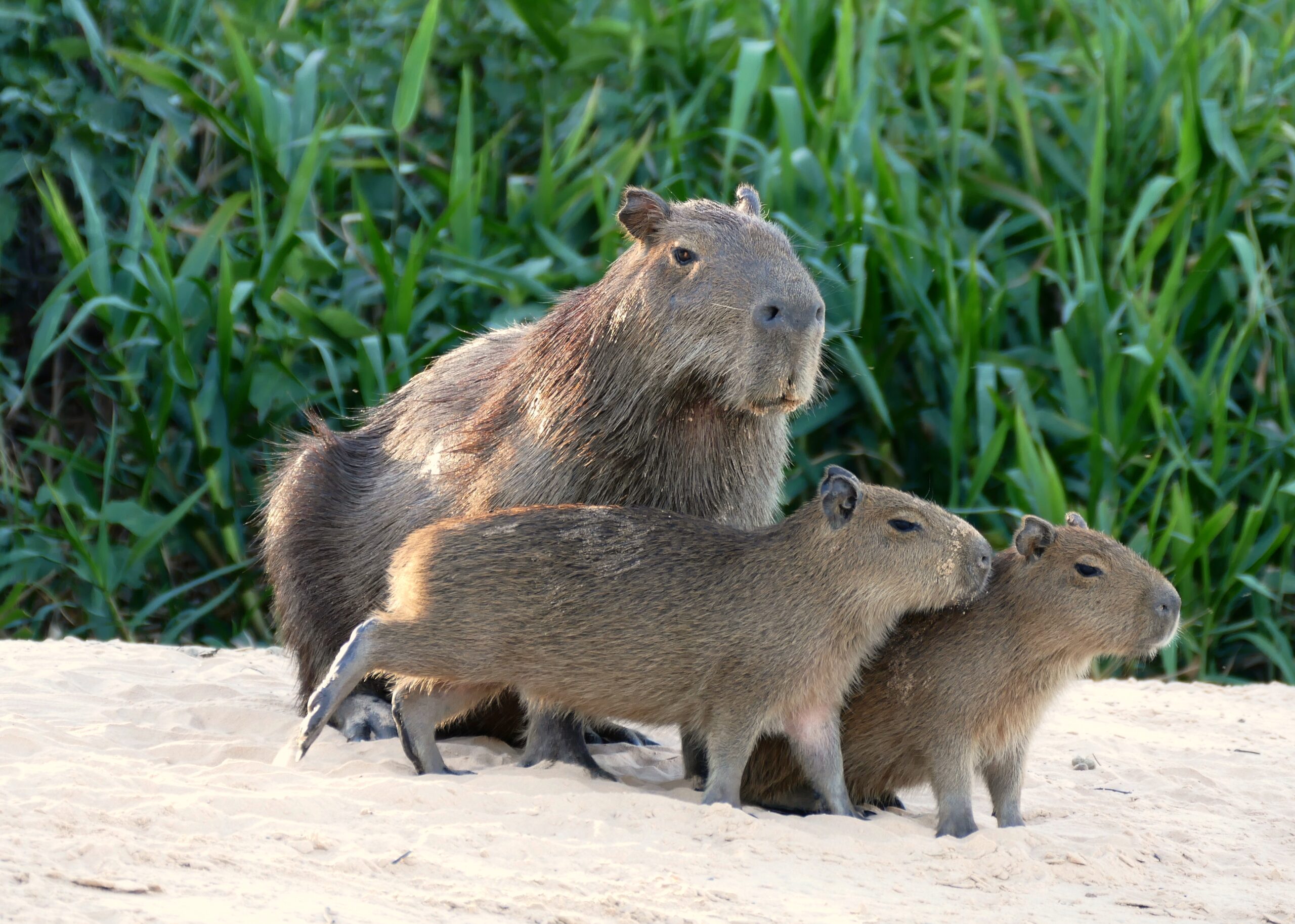
Using Facebook to expose illegal sport hunting in Brazil
Brazil is the most biodiverse country on Earth, with six terrestrial biomes, three marine ecosystems, and at least 103,870 animal…
7 min read -
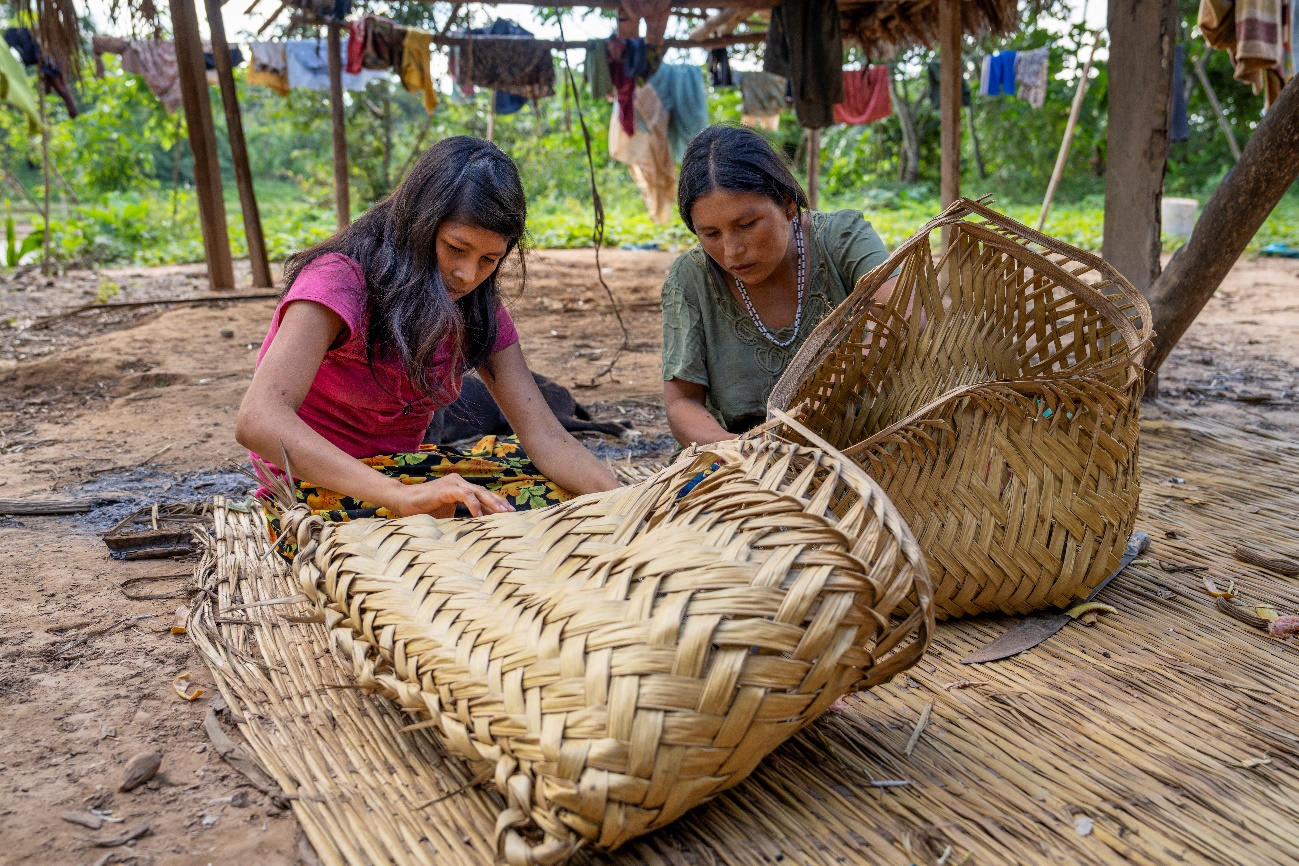
Call to conservation community: Stop using 80% figure to quantify biodiversity in Indigenous People’s territories
If you’re interested in global environmental issues, you’ve likely come across the claim that “Indigenous People’s territories hold 80% of…
5 min read -

Central Africa’s forests: Carbon heroes under threat
The Central African subregion, which mainly comprises the Congo Basin, is home to one of the world’s largest expanses of…
3 min read -

How local communities in Northern Cameroon are restoring their land
In the northern reaches of Cameroon, where the climate is characterized by long, dry seasons and sparse rainfall, communities are…
4 min read -

Bamboo furniture and handicraft training revitalize Vizimumba community
Clack. Tap. Clack. The rhythmic sound of hammers striking bamboo fills the air, breaking through cheerful conversations and bursts of…
5 min read -
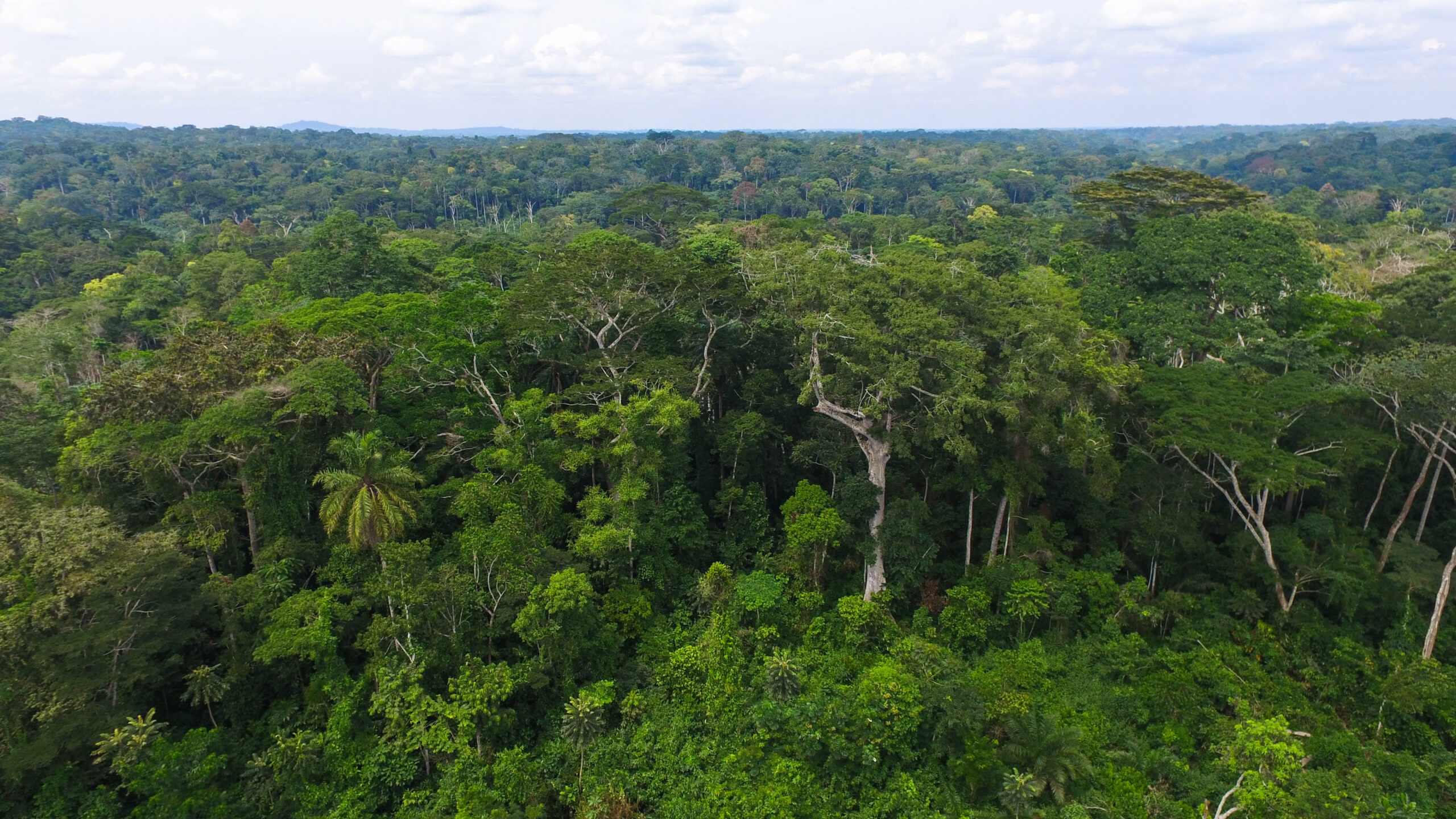
Central African moist forests and savannas are net carbon sinks – for now
A new study has found that Central African moist forests and savannas acted as net carbon sinks from 2010 to…
4 min read -
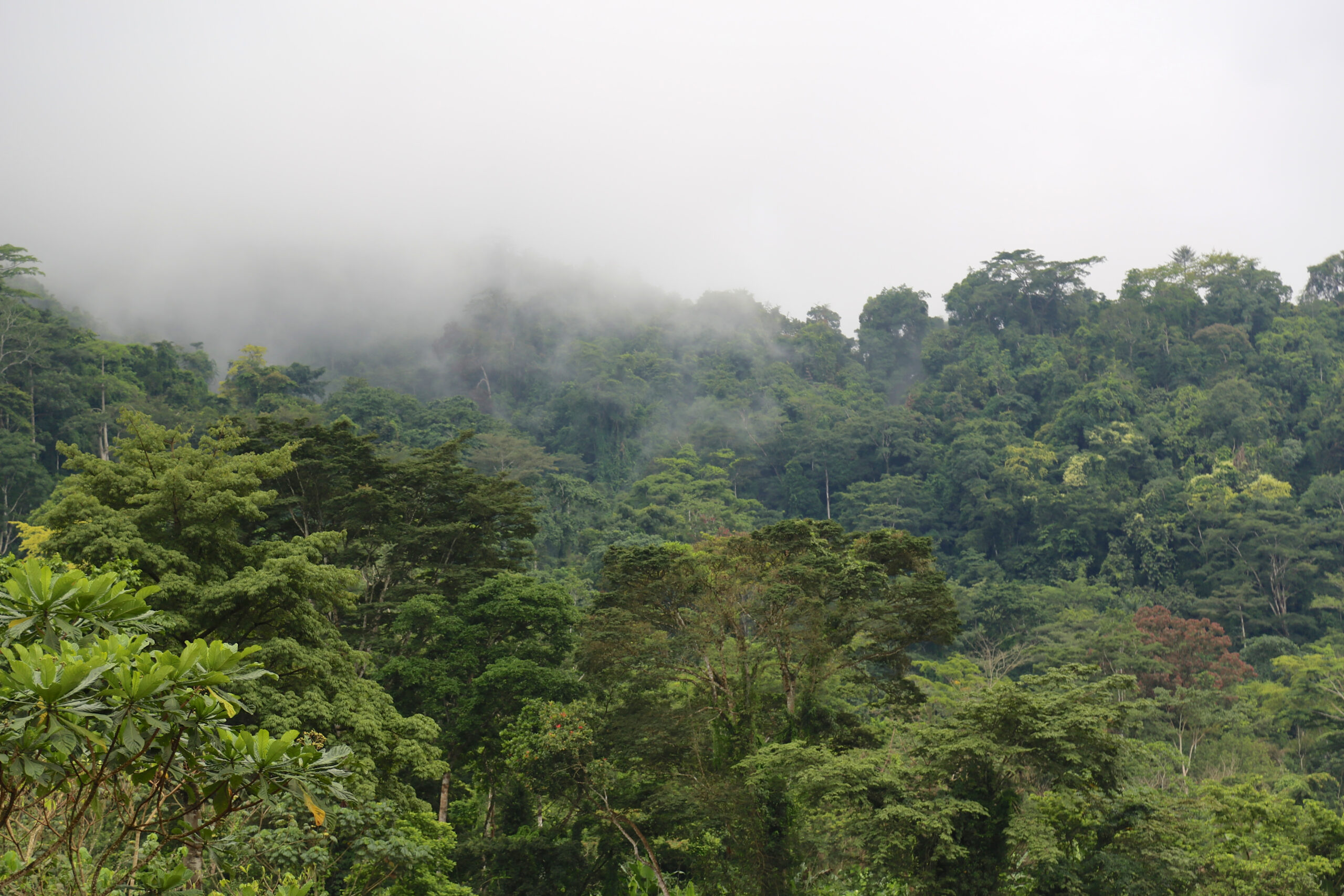
In Cameroon, honing organizational arrangements to boost REDD+
Cameroon is a rainforest-rich country, with about 46% of its land area covered in tropical forest, representing a massive carbon…
5 min read -

Doing science differently: Working across disciplines to advance agroecology
Given the complexity and challenges of implementing agroecology—a farming approach inspired by natural ecosystems—across scales, approaches focussed on listening, respect,…
7 min read -

On-ground monitoring set to shore up mangrove resilience in Coringa Wildlife Sanctuary
The Coringa Wildlife Sanctuary (CWS) sits at the confluence of the Godavari River—the longest river in southern India—and the Bay…
4 min read -

How soil laboratories are building climate resilience
The Knuckles Mountain Range in Sri Lanka has long been a cradle of biodiversity and a protector of the inhabitants…
4 min read -

Renewable energy from charcoal: A response to the challenge
In the Democratic Republic of Congo (DRC), charcoal is a vital resource. It’s mostly used by households for cooking, and…
5 min read -

Unlocking funds: Boosting Central African forest and environment
A silent crisis unfolds amid the dense canopies of Central Africa’s vast tropical forests: deforestation. These unique ecosystems are known…
3 min read