

The Indian Ocean’s sparkling blue waters and pristine sandy beaches are a familiar sight for visitors arriving in coastal towns along Africa’s shoreline. Yet beyond this beauty lies an ocean that sustains the livelihoods of millions of people living along its shores.
According to the World Wide Fund for Nature (WWF), the annual Gross Marine Product of the Western Indian Ocean region – the ocean equivalent of a country’s Gross Domestic Product – is estimated at at least USD 20.8 billion, making it one of the world’s largest ocean-based economies.
The region includes coastal countries and island states such as Comoros, Kenya, Madagascar, Mauritius, Mozambique, Seychelles, Somalia, South Africa and Tanzania.
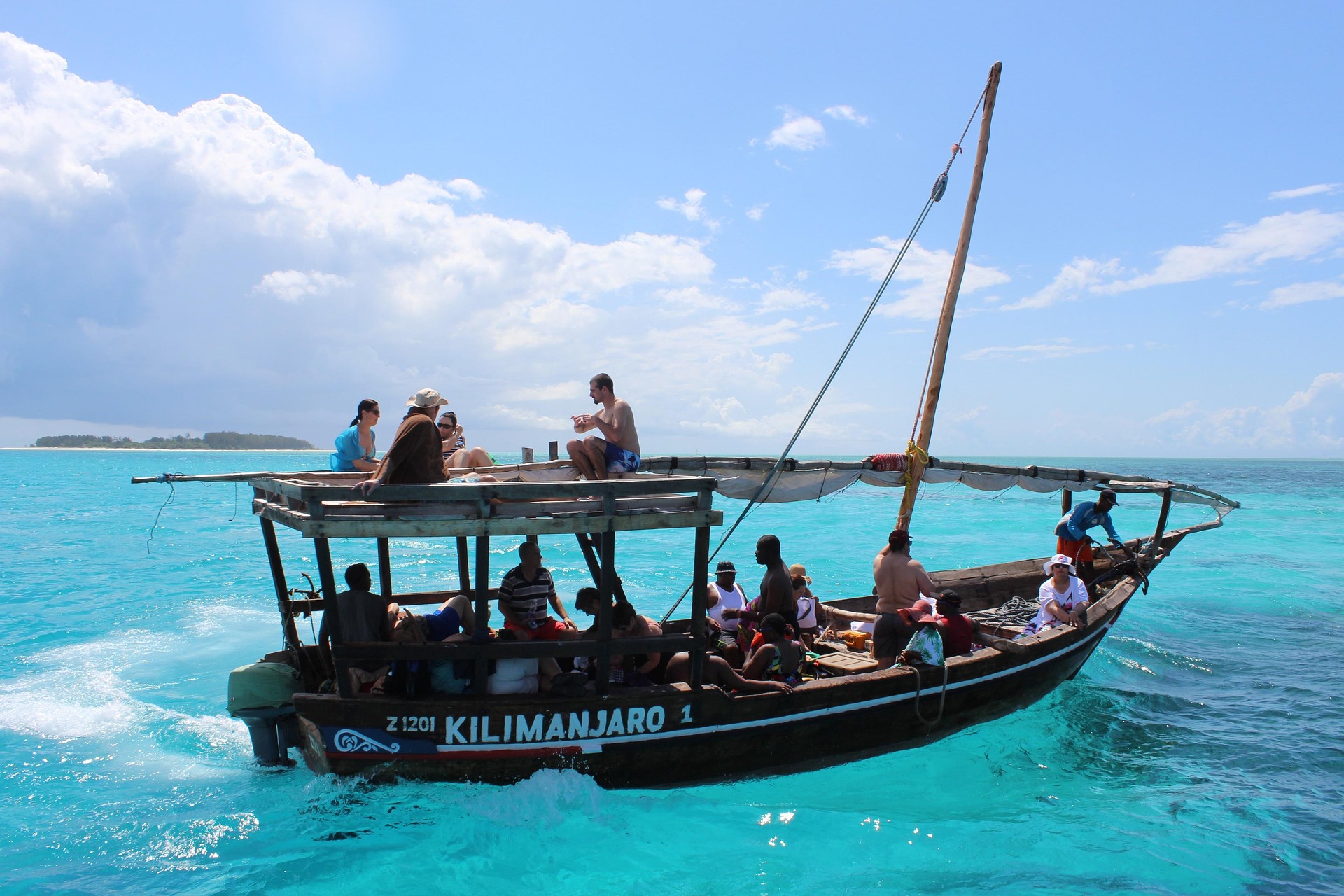
Across these countries, the Indian Ocean is often recognized primarily for its direct economic benefits, particularly revenue generated through tourism and fisheries.
But experts warn that focusing on economic returns alone overlooks many of the ocean’s most important benefits.
“The ocean is more than a source of fish or tourism revenue. It is also crucial for regulating climate, protecting coastlines, sustaining biodiversity and preserving cultural identity,” says James Kairo, chief scientist at the Kenya Marine and Fisheries Research Institute (KMFRI).
Kairo spoke during a special session at the 13th Western Indian Ocean Marine Science Association (WIOMSA) symposium, which was co-organized by the Center for International Forestry Research and World Agroforestry (CIFOR-ICRAF) through the EU-funded Regional Centre of Excellence for Biodiversity, Forests and Seascape Ecosystems Management in Eastern and Southern Africa (RCOE-ESA) project. The session explored how ocean governance can better capture ecological, social, cultural and climate benefits the ocean provides.

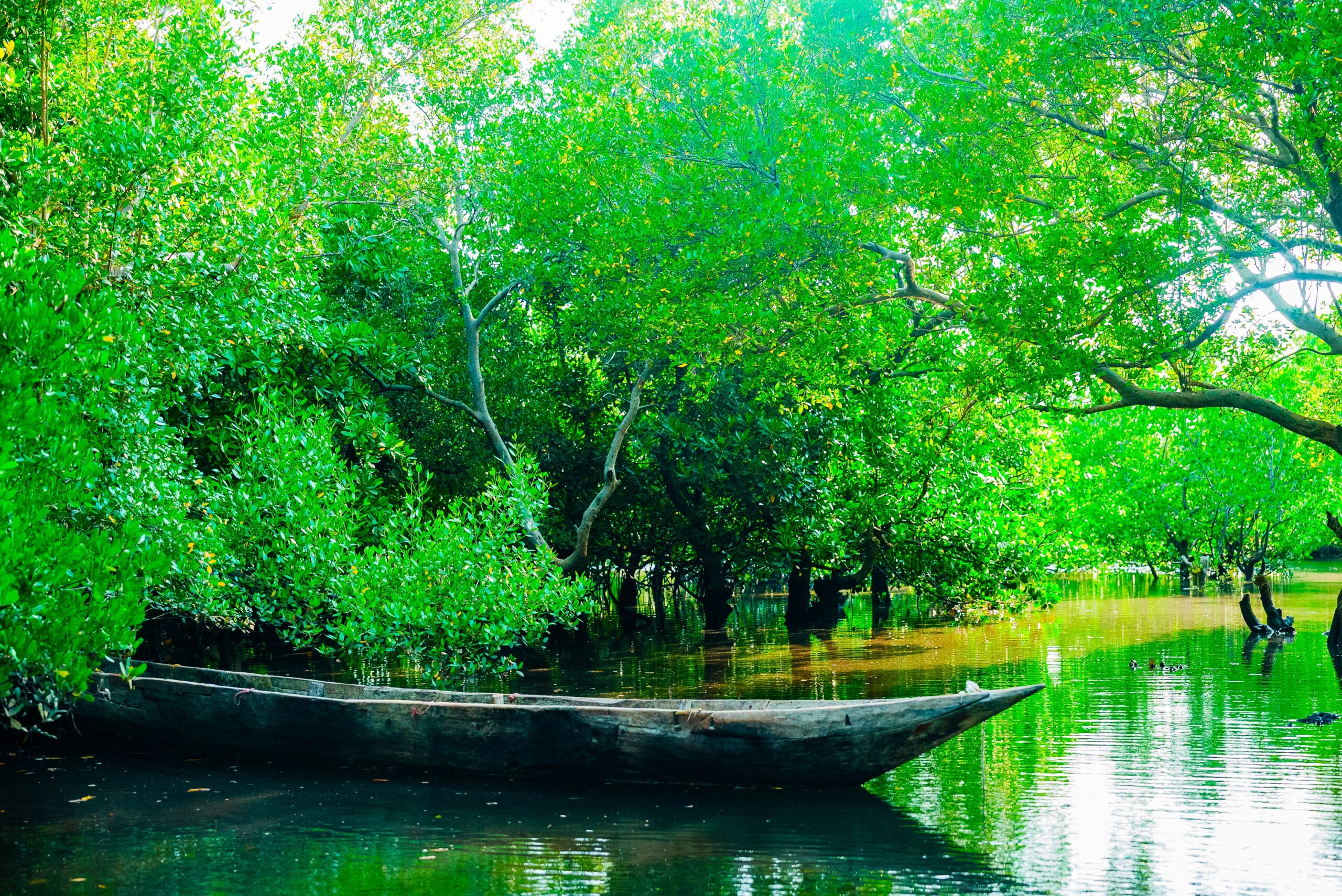
“When talking about the ocean, the focus should not only be on the water, but on the entire ecosystem that sustains the benefits people derive from it,” says Ivy Amugune, research officer and lead for the project’s seascapes ecosystem work at CIFOR-ICRAF.
Mangroves and seagrasses, for instance, provide breeding grounds for fish, store large amounts of carbon that help mitigate climate change and protect coastlines from waves and flooding.
“These ecosystems provide immense ecological benefits that often remain hidden. When intact, they support fisheries and tourism that communities depend on for income, food security and improved livelihoods,” Amugune says.
Research increasingly shows that the value of the ocean extends far beyond what can be captured in economic terms.
A WWF study on the Western Indian Ocean notes that many benefits remain largely invisible in conventional assessments, including climate regulation, oxygen production, carbon storage and the cultural and spiritual enrichment coastal communities derive from the sea.
Because these ecosystem services are rarely quantified, the true value of the ocean is often underestimated in policy and investment decisions. Yet these invisible benefits sustain human wellbeing and livelihoods.
This is why protecting ecosystems such as mangroves, coral reefs and seagrasses is essential.
Elijah Chivatsi, a fisherman along Kenya’s coast, has witnessed the consequences of ignoring these interconnected benefits.
As a child, he recalls his grandfather teaching him that the ocean and its ecosystems were sacred and deserved respect.
“People respected the ocean because of the cultural and spiritual value it held. They believed it connected them to God, and there were places along the coast that were considered sites for worship,” he says.
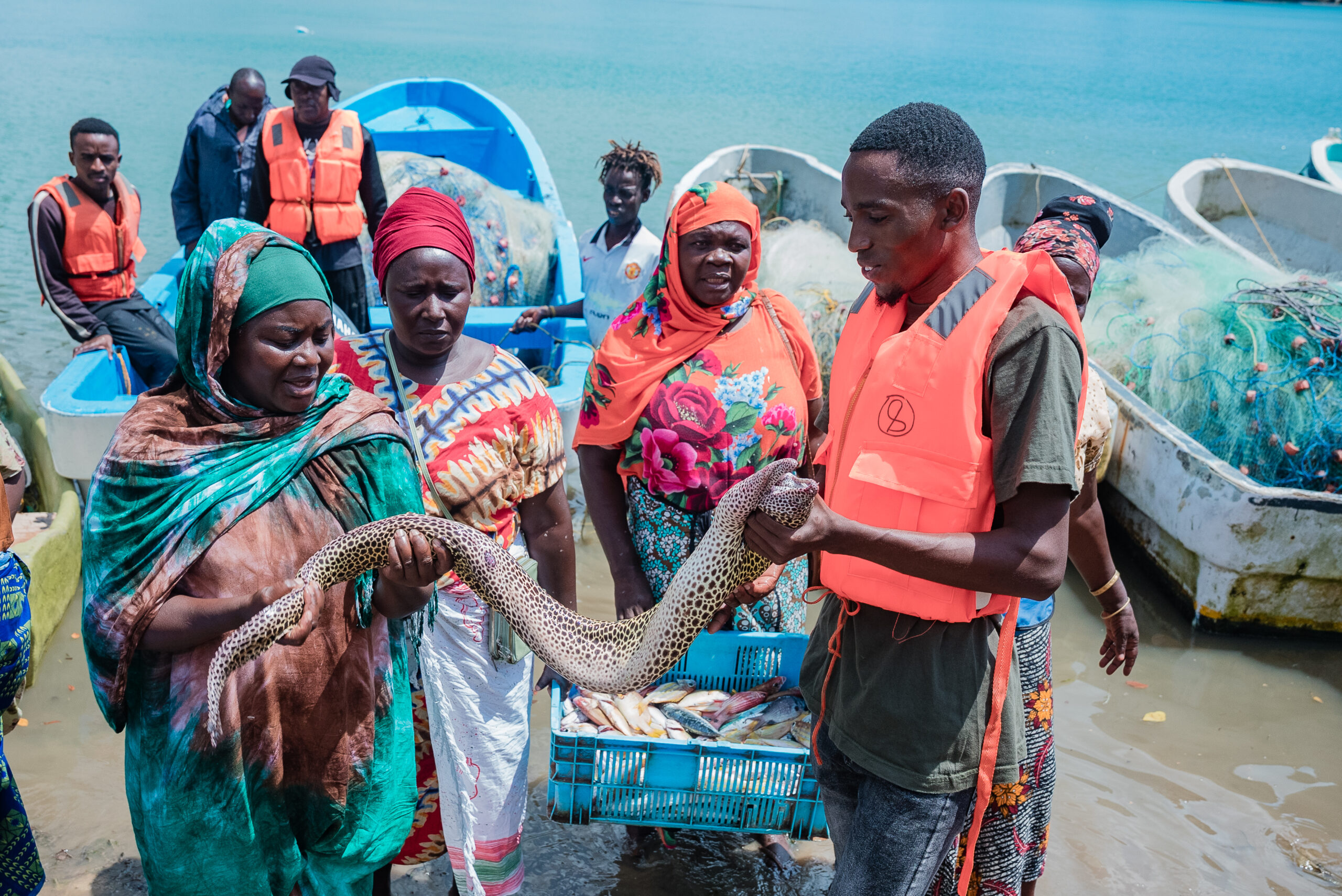

According to Chivatsi, these beliefs shaped how communities interacted with the marine environment. Cutting mangroves without reason, for example, was considered taboo.
“Our ancestors believed that if you destroyed mangroves carelessly, the ocean would reclaim the land and the water would come roaring inland and swallow you,” he says.
Some areas were also off-limits for fishing because they were regarded as sacred spaces or shrines.
Such cultural and spiritual beliefs formed part of the indigenous systems that communities used to manage and conserve ocean resources, as documented in studies conducted in Kenya, Tanzania and Madagascar.
But Chivatsi says many of these traditions are now fading.
“This knowledge is disappearing. Younger generations no longer care the way people did before. Mangroves have been overexploited and fishing has become excessive. Fish populations have declined,” he says.
Experts say recognizing and integrating traditional knowledge is essential for effective ocean governance.
UNESCO has emphasized the importance of balancing scientific approaches with indigenous and local knowledge systems, noting that both can contribute to sustainable marine management.
For practitioners working with coastal communities, this means ensuring local voices actively shape conservation efforts.
“Communities have lived with these ecosystems for generations and hold valuable knowledge about them. The key is to work with them and build on practices that have worked over time,” says Lorna Nyagah, research and development specialist at CIFOR-ICRAF with extensive experience in community engagement.
Nyagah adds that for communities to value and protect ecosystems, they must also see tangible benefits from conservation.
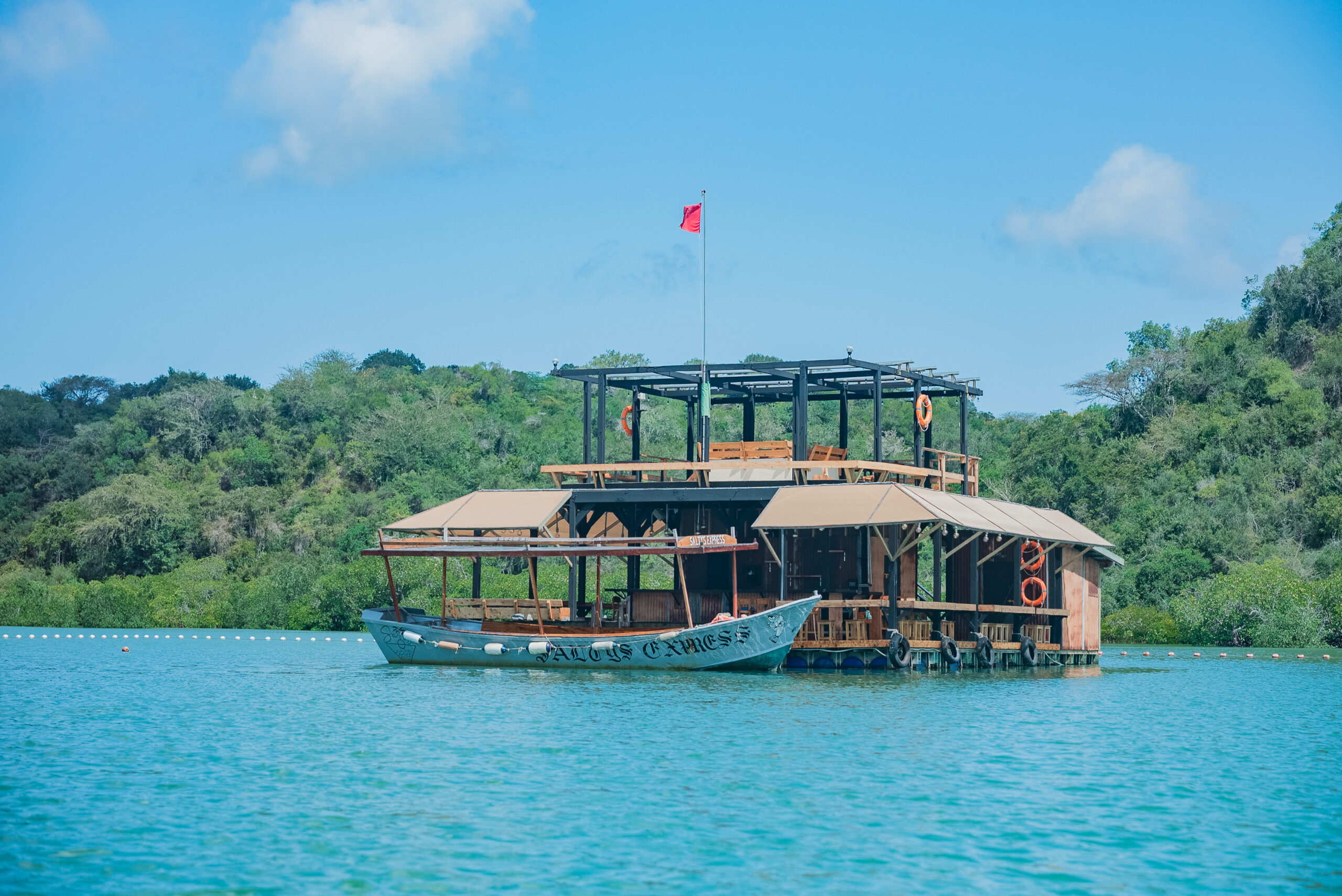
Indeed, studies on conservation benefit-sharing show that when local communities receive tangible benefits from conservation initiatives, they are more likely to support and participate in protecting natural resources.
“So, as we ask communities to conserve mangroves or restore ecosystems, we need to ensure that financial gains from initiatives such as blue carbon markets or tourism trickle down to them,” says Amugune. “The debate is not only about how much financing is available for ocean conservation, but also about how fairly those benefits are shared.”
As countries across the Western Indian Ocean seek sustainable development pathways, experts say protecting the ocean will require recognizing its full value.
By combining science with traditional knowledge and ensuring communities share in the benefits of conservation, the region can safeguard the ocean that millions depend on.
↓ Watch the video below to learn more about the project ↓