

gender
-
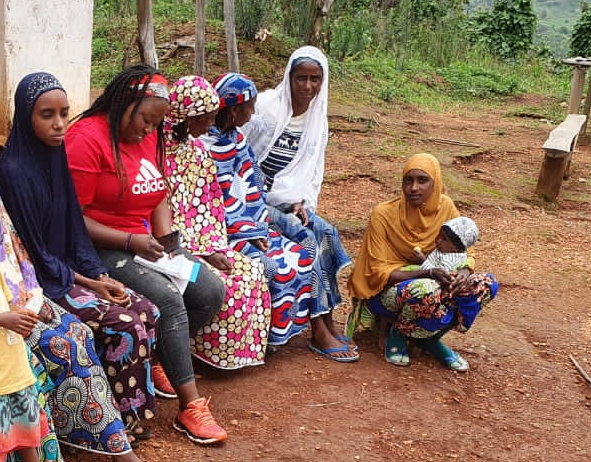
Honouring the waymakers for women in science: Meet Eponle Usoh Sylvie
Eponle Usoh Sylvie is a PhD research fellow at CIFOR-ICRAF in Cameroon. She has a bachelor’s degree in law and…
8 min read -
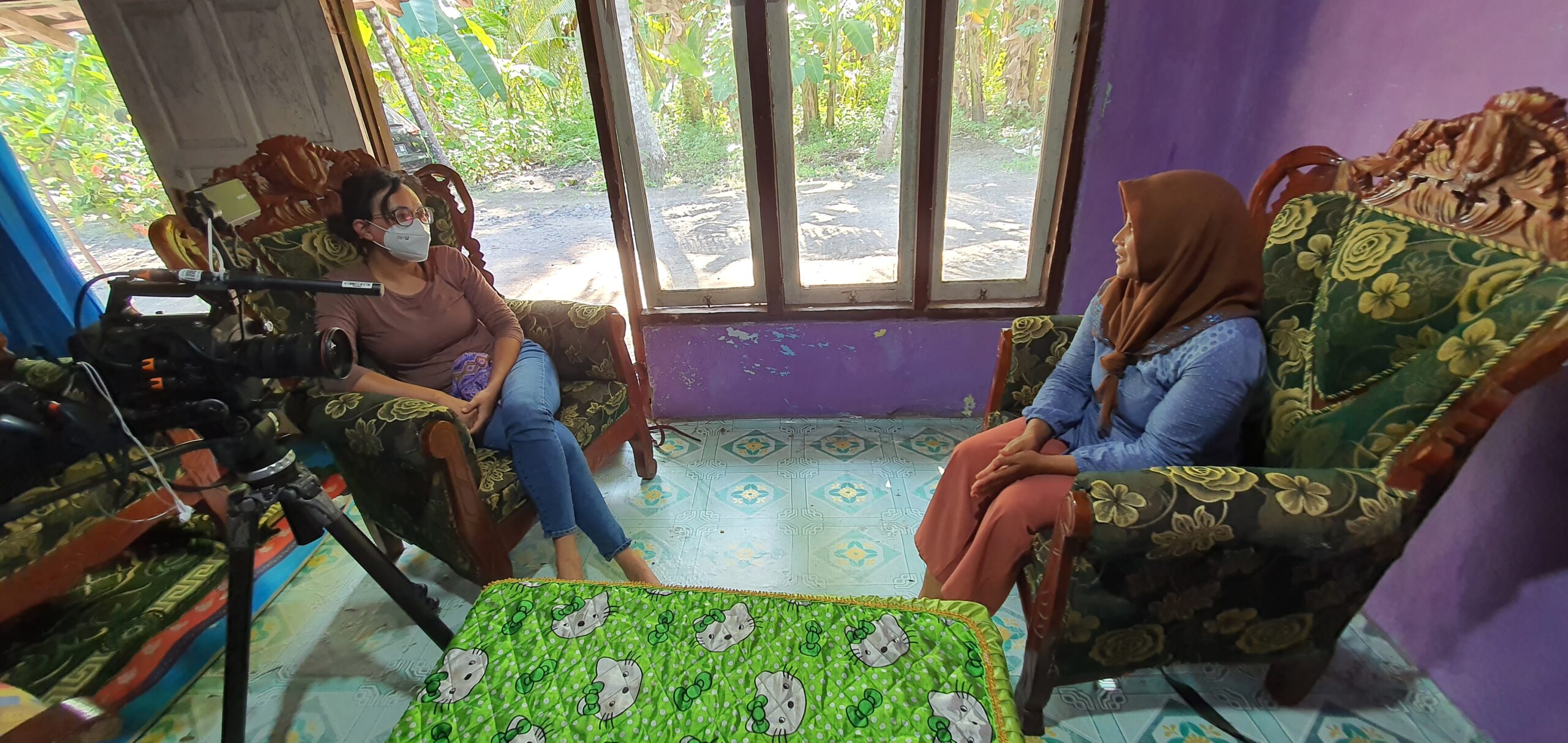
Nourishing leadership: Why gender matters in development science
As a food and nutrition scientist in CIFOR-ICRAF, Mulia Nurhasan leads the execution of the food and nutrition component of…
5 min read -
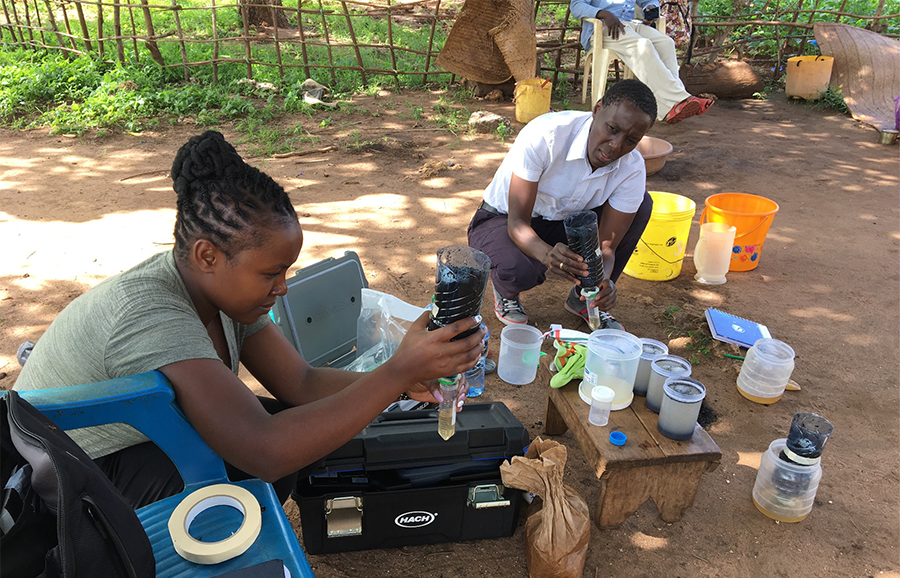
Energy transfer: How one woman scientist aims to spark enthusiasm in the next generation
While women have made immense advances in scientific fields in recent years, the numbers still don’t tell an equitable story.…
7 min read -
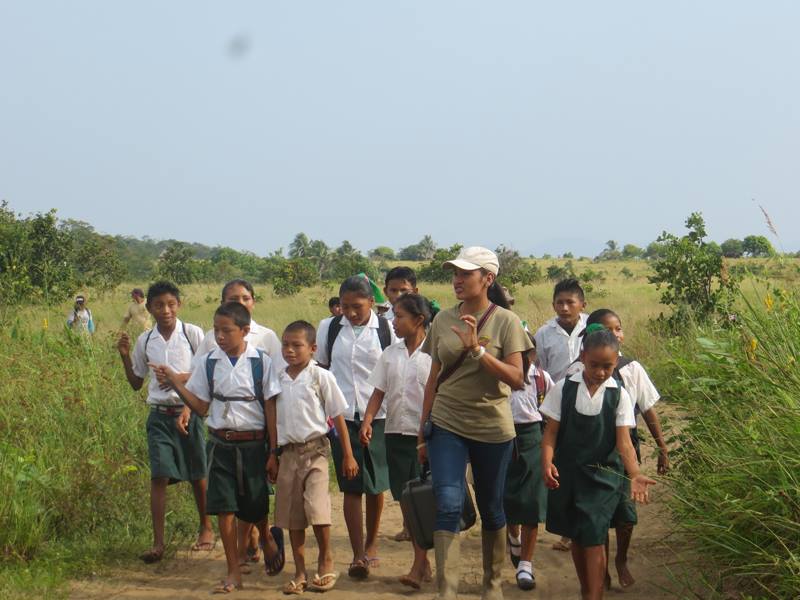
Empowering women through sustainable wildlife management: Meet Kim Spencer
When Kim Spencer, an Indigenous woman in Guyana’s isolated South Rupununi region, was 16 years old, she joined the South…
5 min read -
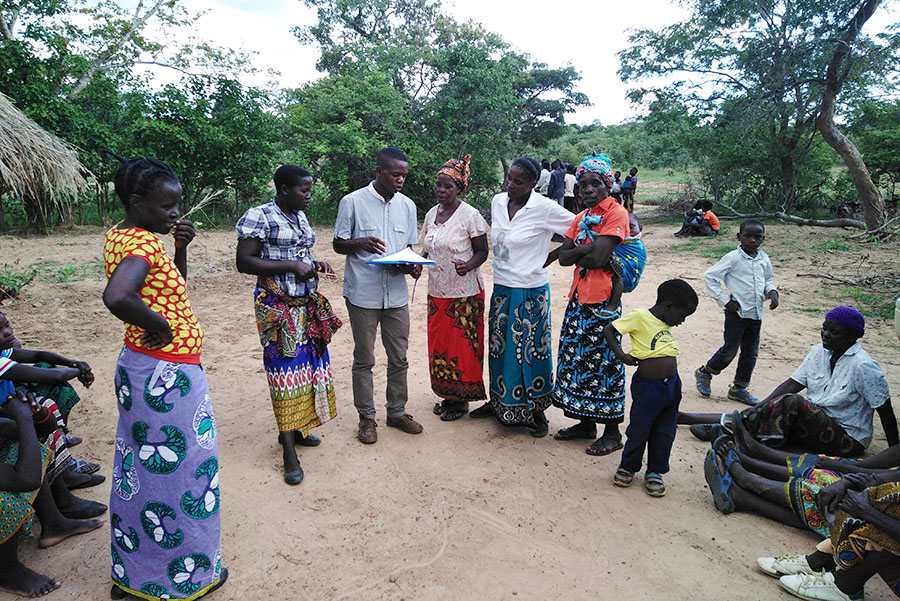
Integrating local knowledge into policy is vital to sustainable livelihoods
Communities in southern Zambia rely on local knowledge to manage resources including land, forests and water. They are an example…
6 min read -
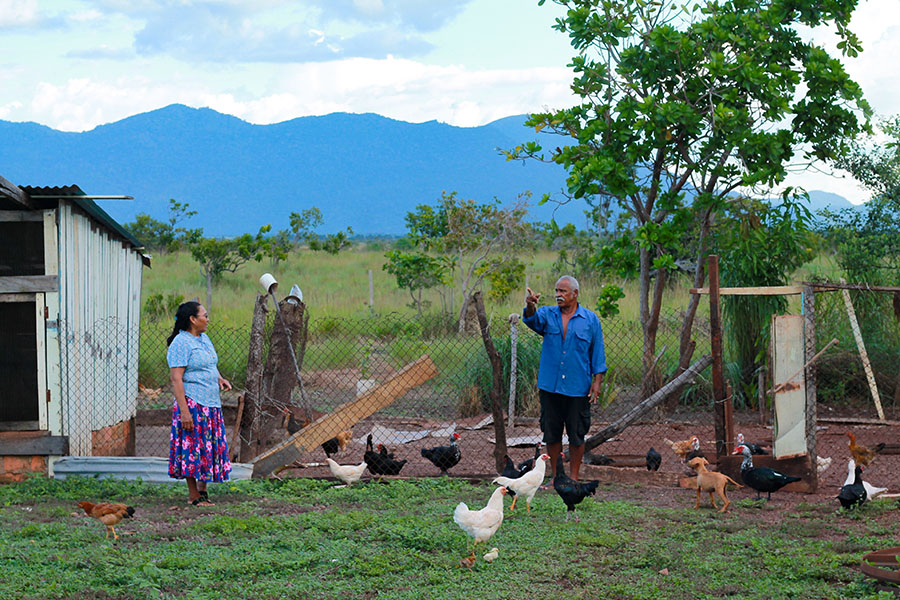
Empowering women through sustainable wildlife management: Flora Gomes’ story
In the Rupununi Region of southwest Guyana, 59-year-old Flora Gomes is becoming a renowned poultry farmer – with important implications…
5 min read -
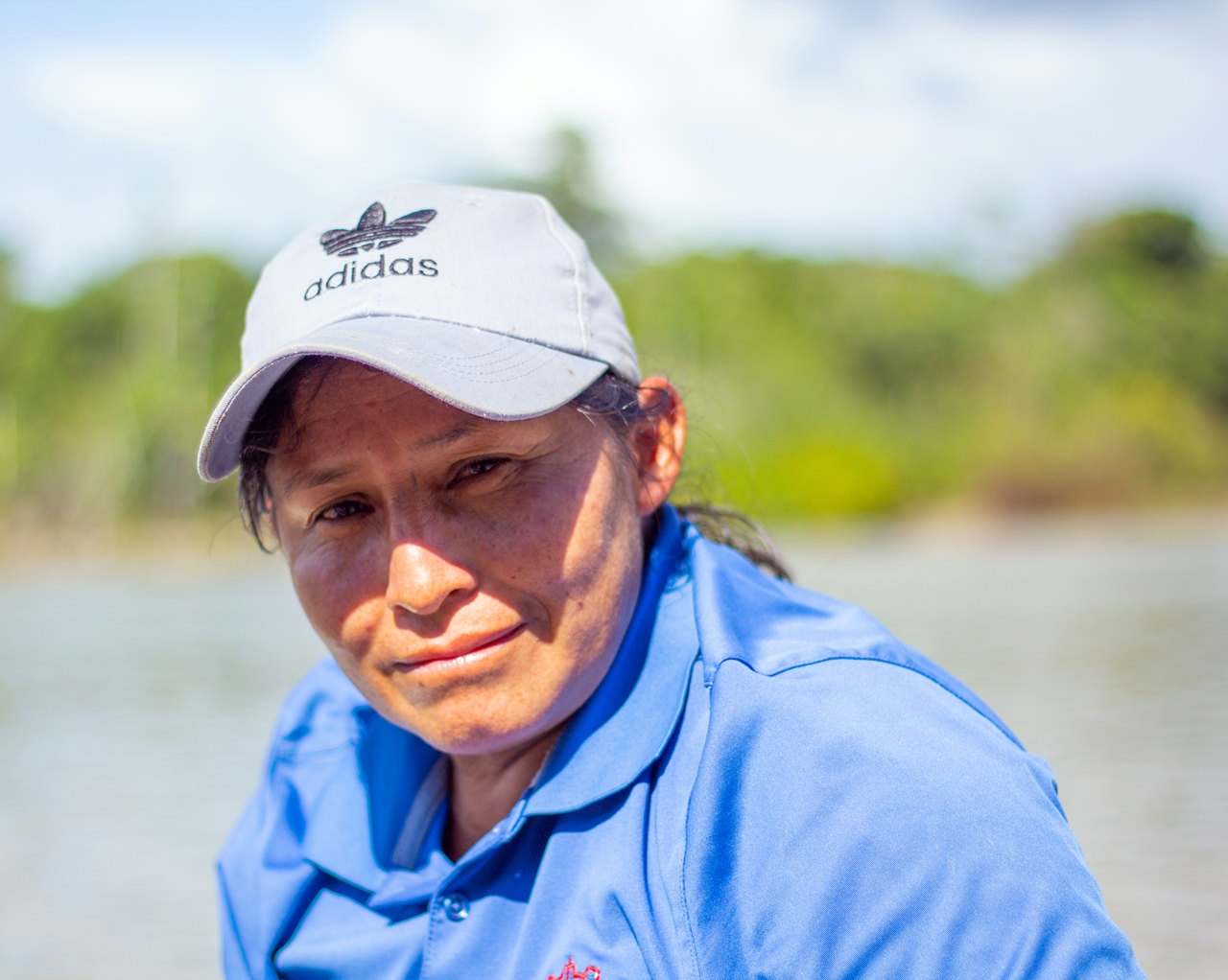
Empowering women through sustainable wildlife management: meet Susan George
On her first trip to Guyana’s Kanuku Mountains, at the age of four years old, Susan George (pictured) decided she…
7 min read -
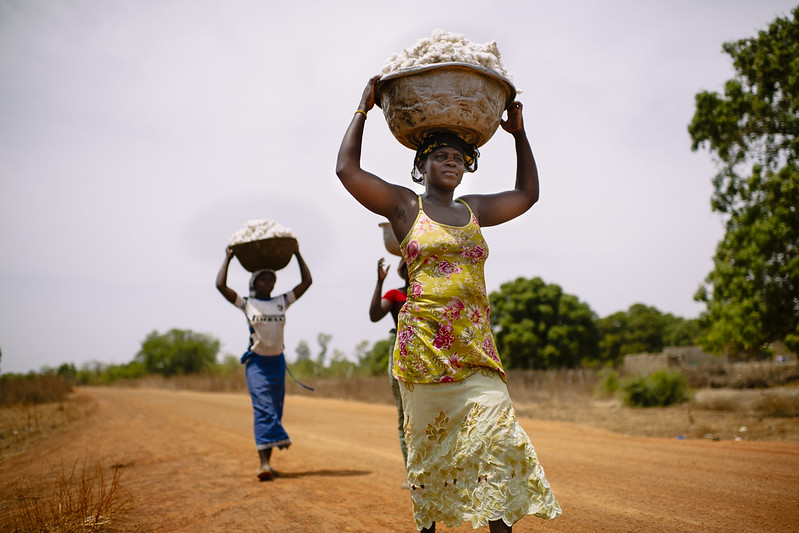
Securing land tenure for women and girls to promote climate change resilience
“Women’s land rights should be at the core of everything we do, to enhance our climate action” – Beth Roberts,…
7 min read -
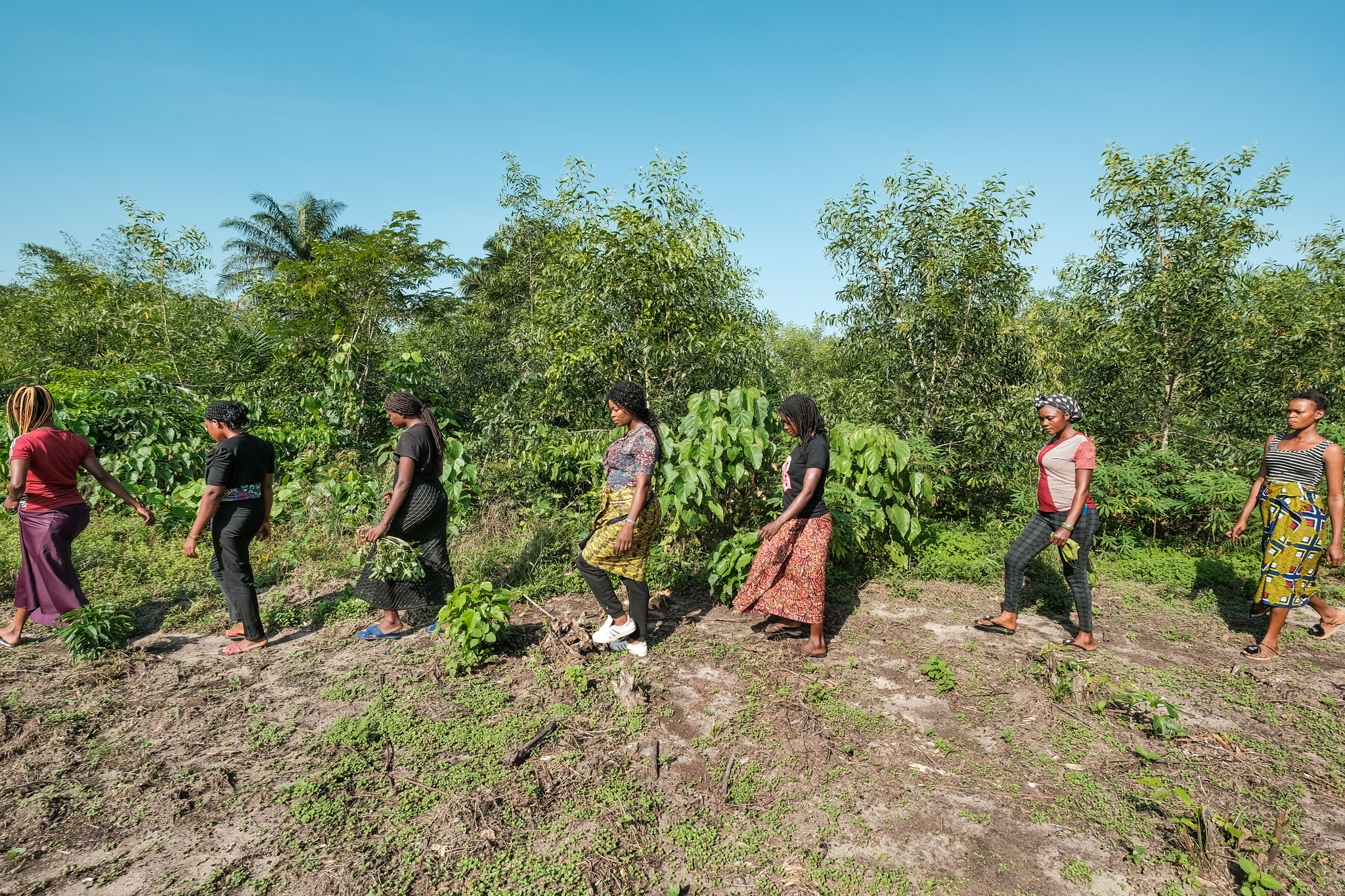
DRC women’s association takes charge of the future, supporting others to do the same
Akili ni mali – the Swahili translation for knowledge is wealth, is the name adopted by a local women’s association…
5 min read -
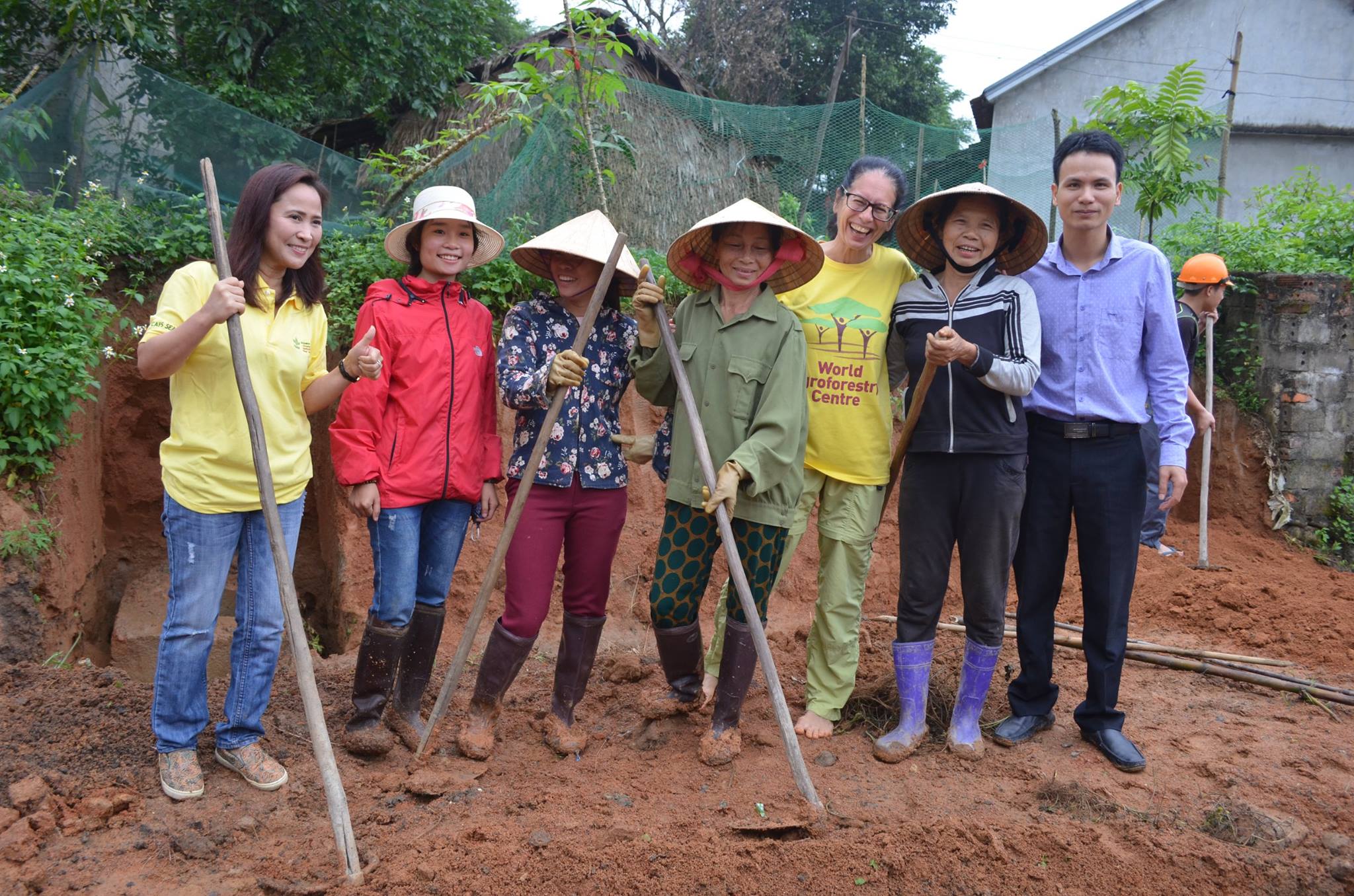
Q+A: Turbulence in the field: Winds of change buffet agroforestry in Vietnam
When Elisabeth Simelton was small, she was shocked by images on TV of children experiencing the famine that led to…
11 min read -
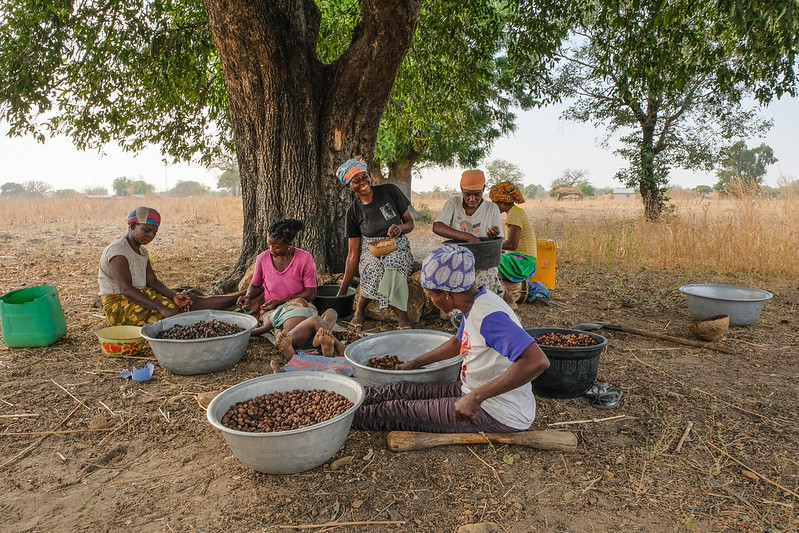
To save the shea tree, scientists explore predictive breeding tools
Better known outside Africa for shea butter, which is used in chocolate manufacturing, cuisine and cosmetics, the shea (Vitellaria paradoxa)…
5 min read -
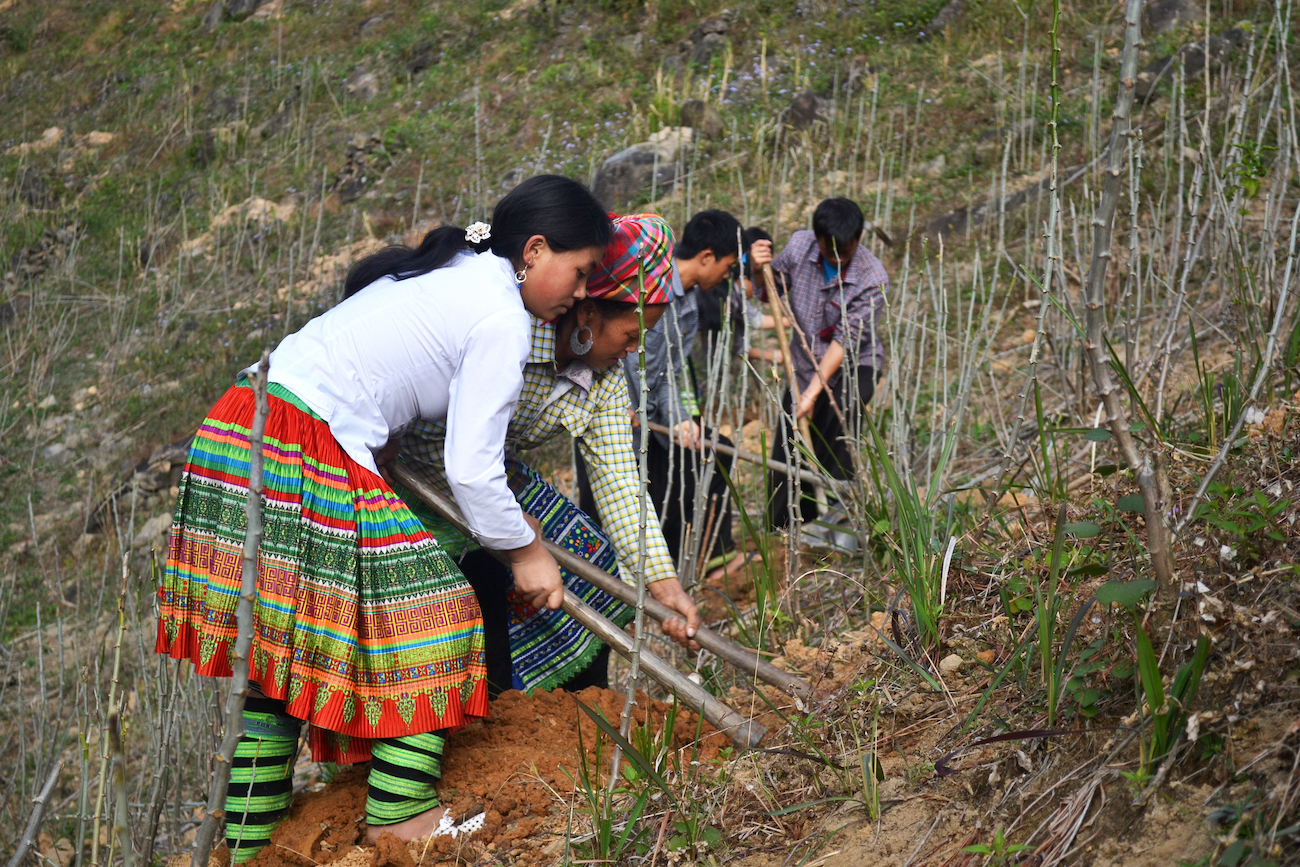
Women coffee growers in Vietnam boost climate mitigation through agroforestry
Coffee agroforestry systems in Vietnam have significant capacity to reduce greenhouse gas emissions by sequestering carbon and reducing the need…
5 min read -
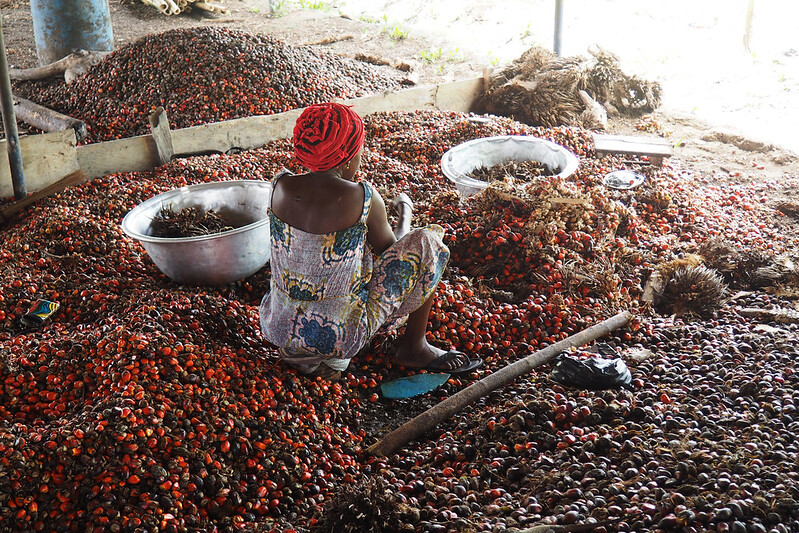
Gender dynamics in Ghana’s oil palm processing sector
Known throughout the industry as “oil palm mamas” or “market queens,” women play a competitive role in Ghana’s informal oil…
7 min read -
Tenure and governance research: Build on accomplishments under PIM to meet SDGs
Secure tenure and effective governance are central to the future of natural resources and agriculture. Although important on their own,…
8 min read -
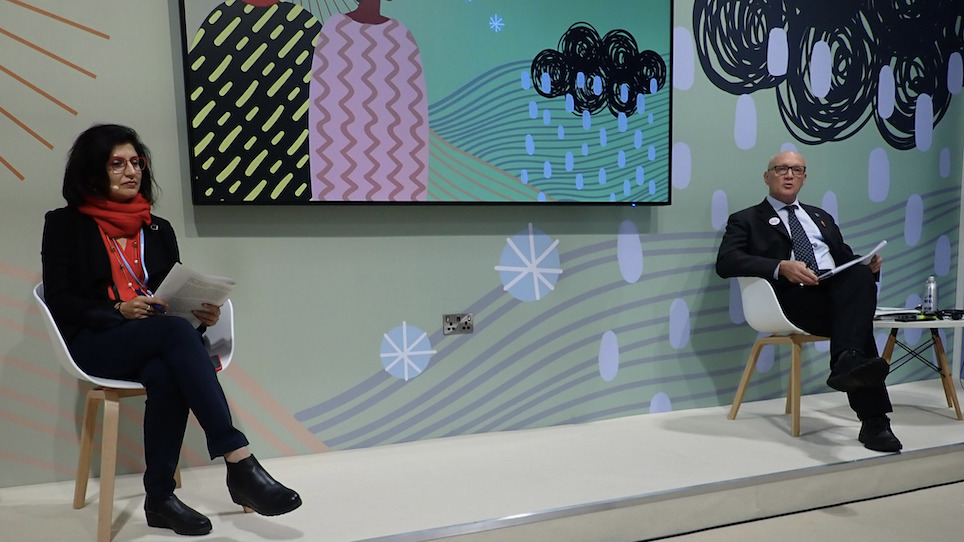
Women’s land tenure a critical pillar for climate action, COP26 delegates say
Worldwide, fewer than 15 percent of landholders are women, a disparity that has significant consequences for the general status and…
6 min read