
Burkina faso
-

Shoring up Burkina Faso’s shea trade requires intensive landscape restoration efforts
For generations, women in West Africa have produced shea butter for home consumption and to sell for use in cosmetics…
7 min read -

COP26 delegates should address gender gap in inequitable land policies, scientists say
Women’s access and ownership rights to land and trees are key to addressing global warming, biodiversity loss and the inequity…
5 min read -

Women producers in Burkina Faso face hardship if shea industry dwindles
Implementing policies designed to conserve shea trees and support certification initiatives in Burkina Faso will ensure the sector remains a…
5 min read -

Insecurity, COVID-19 hit women-led shea sector on eve of Africa free trade deal
Women have dominated shea production and sales for centuries in West Africa, managing trees, gathering nuts, roasting and crushing kernels…
8 min read -

Borderline
Part VII of VII-part series: WHAT THE WORLD CAN LEARN FROM WEST AFRICA’S UNHEARD (Voices from the forest-farm interface) Esther…
2 min read -

When ancestral lands fall victim to an international border
Part VI of VII-part series: WHAT THE WORLD CAN LEARN FROM WEST AFRICA’S UNHEARD Hansen Apewe Abaloori, Akaa, Kassena–Nankana…
2 min read -

Cull! Say scientists. Crisis! Say journalists. Plus news from the Wood Wide Web
In Forests News last week: Keeping the peace in a national park buffer zone When access to the Kaboré Tambi…
6 min read -

Keeping the peace in a national park buffer zone
Part III of VII-part series: WHAT THE WORLD CAN LEARN FROM WEST AFRICA’S UNHEARD Arba Sondé, Tamsé, Department of…
2 min read -
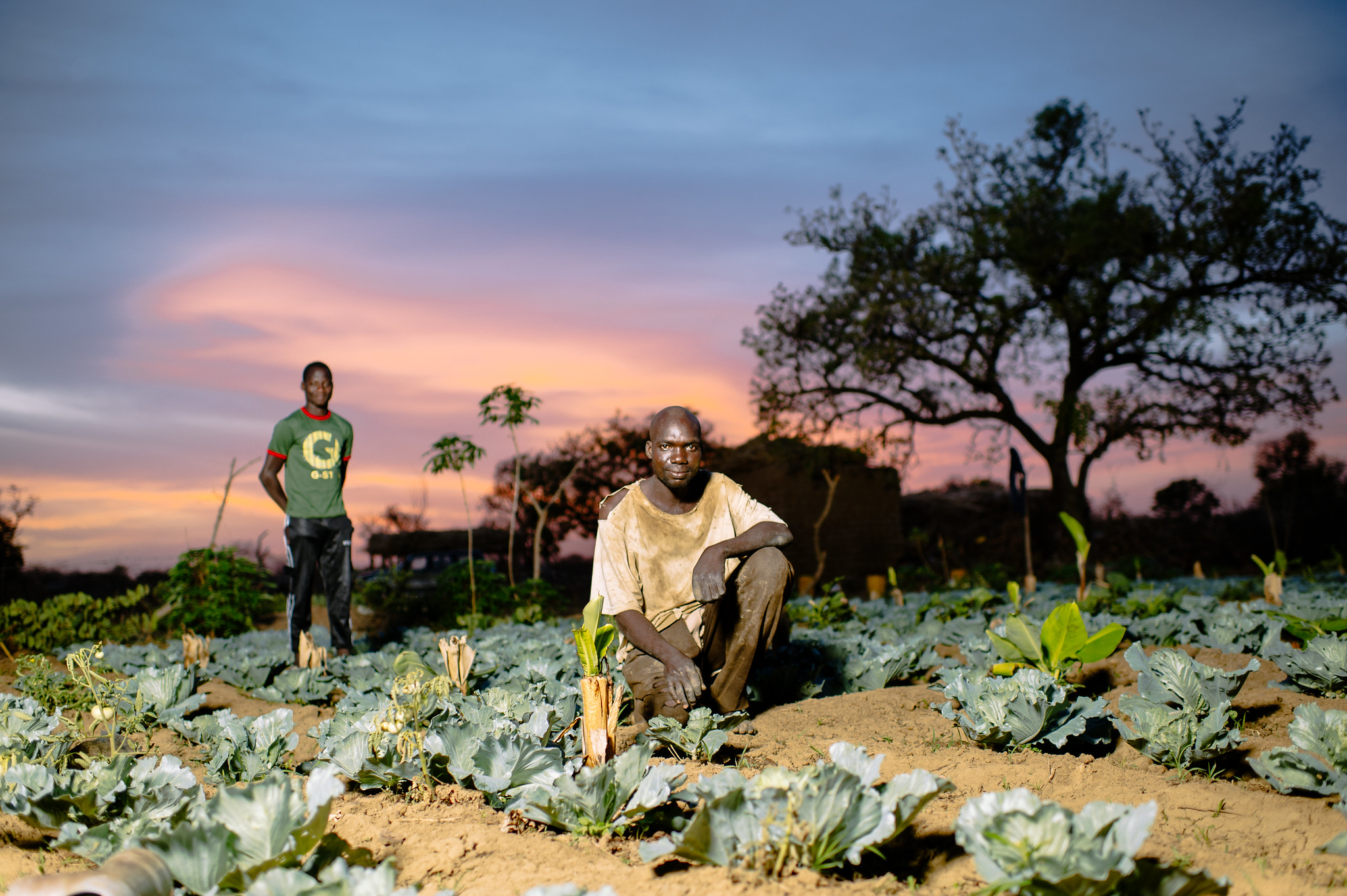
Losing farmland and forest to a national park
Part II of VII-part series: WHAT THE WORLD CAN LEARN FROM WEST AFRICA’S UNHEARD Oumarou Zoundi, Koakin, Department of…
2 min read -

What the world can learn from West Africa’s unheard
In the forested parklands in northern Ghana and southern Burkina Faso lie diverse mosaics of cultivated fields mixed with useful…
3 min read -

Getting landscape approaches off the ground, on the ground
“Landscape approaches” seek to provide tools and concepts for allocating and managing land to achieve social, economic, and environmental objectives…
5 min read -

Making tracks: How movement shapes landscapes
When populations move, there’s a tendency to assume the worst – war, poverty or environmental degradation may be the first…
6 min read -

What do forests have to do with food?
What can you cook from parkia seeds and baobab leaves? How about temple plant leaves and shea butter? New research…
3 min read -

COP23 Special: Sharing the benefits of REDD+ in Burkina Faso
As Burkina Faso’s dry forest landscapes come under the dual pressures of climate change and land-use change, REDD+ has been…
5 min read -

Changing landscapes: From forests to food
The growing demand for food — demand that is expected to double by 2050 — has led to widespread agricultural…
6 min read