

The health of people, livestock and wildlife is closely connected. In southern Zambia, where many rural households depend on livestock for food and income, an animal disease outbreak can quickly threaten livelihoods and public health.
The Sustainable Wildlife Management (SWM) Programme is working with communities, government institutions and traditional leaders to identify these risks earlier and respond before outbreaks spread.
Funded by the European Union through the Food and Agriculture Organization of the United Nations (FAO), the SWM programme is strengthening disease surveillance, improving livestock health management and raising awareness of zoonotic diseases, which can pass between animals and people.
Working closely with the Department of Veterinary Services (DVS) under Zambia’s Ministry of Fisheries and Livestock, the initiative is also helping communities take a more active role in disease prevention and early detection, contributing to healthier livestock populations and safer communities.
Local monitors strengthen early warning systems
Early detection remains one of the most effective ways to prevent disease outbreaks from escalating. To strengthen surveillance at the community level, the SWM Programme trained community scouts and natural resource monitors to recognize and report symptoms of animal disease.
In Nyawa Chiefdom, 12 animal health reporters collected livestock health information and submitted weekly reports through the KoBoCollect mobile application. Over a four-month pilot, they documented disease symptoms, livestock health trends and possible outbreaks in their communities.
“The success of community-based disease surveillance demonstrates the role that local communities can play in protecting animal and human health,” said Penias Banda, field operations manager for the SWM Programme.
“By empowering communities with the tools and knowledge to identify and report disease symptoms, we are strengthening early warning systems and improving our ability to respond before outbreaks become major threats.”
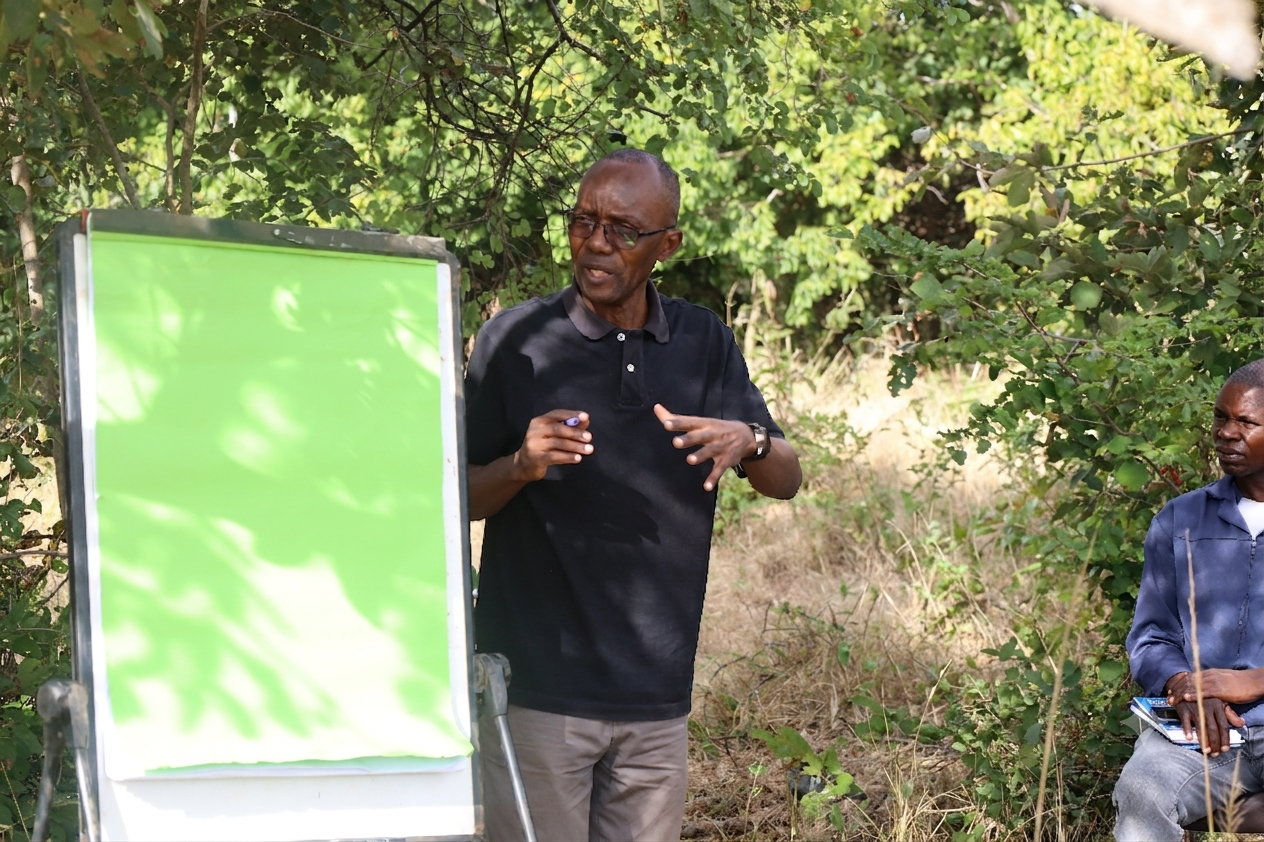
A feedback session held in May 2026 revealed strong community ownership of the reporting system. Information submitted by community monitors contributed to the vaccination of 5,234 cattle against anthrax across eight livestock centres in Nyawa chiefdom.
The campaign vaccinated 1,712 cattle in Busanga, 869 in Sichibaka, 852 in Muzumbwe, 625 in Mweemba, 382 in Nyawa, 368 in Musozya, 284 Kalondo and 142 in Bwelembe.
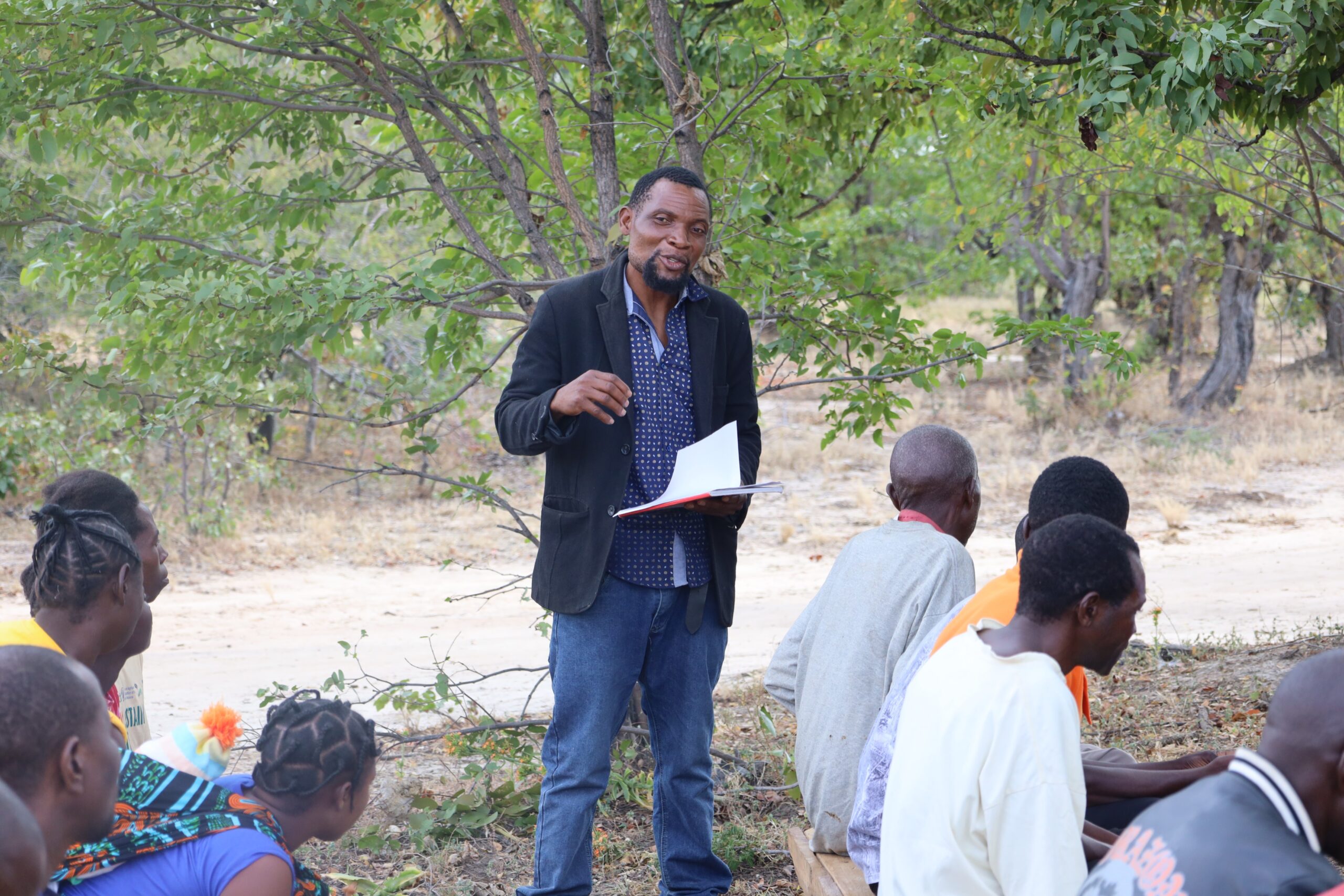
The surveillance programme has also helped community monitors gain practical knowledge of livestock diseases and prevention measures. Mosten Munsaka, a natural resource monitor from Chooma ward who participated in the surveillance pilot, said the initiative had improved community awareness and strengthened relationships between livestock farmers and veterinary officers.
“Before the training, many farmers did not know the importance of reporting unusual symptoms in their animals,” Munsaka said. “Now we are able to identify warning signs early and share information quickly with the veterinary staff. Communities are becoming more aware that protecting animal health also helps protect people.”
Community facilities support livestock health
Alongside its surveillance work, the SWM Programme has invested in livestock health facilities to reduce disease risks and improve animal productivity.
In July 2025, the programme officially opened three community spray races in Nyawa Chiefdom. The facilities provide livestock farmers with access to regular tick-control services, helping to reduce the incidence of tick-borne diseases.
To support their long-term operation, the programme helped establish a 10-member management committee at each spray race site. In partnership with DVS, committee members received capacity-building training in governance, operations management, livestock disease prevention, record-keeping and community mobilization.
In May 2026, SWM Programme and DVS representatives visited the three spray race sites to assess progress and provide technical support. They met committee members, village headmen and livestock farmers to discuss the facilities’ operation and management.
The visits included sessions on the correct use of acaricides, disease prevention and antimicrobial resistance, which occurs when bacteria, viruses, fungi and parasites no longer respond effectively to medicines.
Awareness helps communities act sooner
For more than three years, the SWM Programme and DVS have supported community campaigns on anthrax prevention, disease reporting and biosafety measures across southern Zambia.
Nyambe Mulemwa, DVS district livestock officer for Kazungula District, said community participation remains among the most effective tools for preventing disease outbreaks.
“Early reporting and community awareness are essential to preventing the spread of zoonotic diseases,” he said. “The more communities understand disease risks and follow recommended biosafety measures, the more effective we become in protecting livestock, wildlife and human health.”
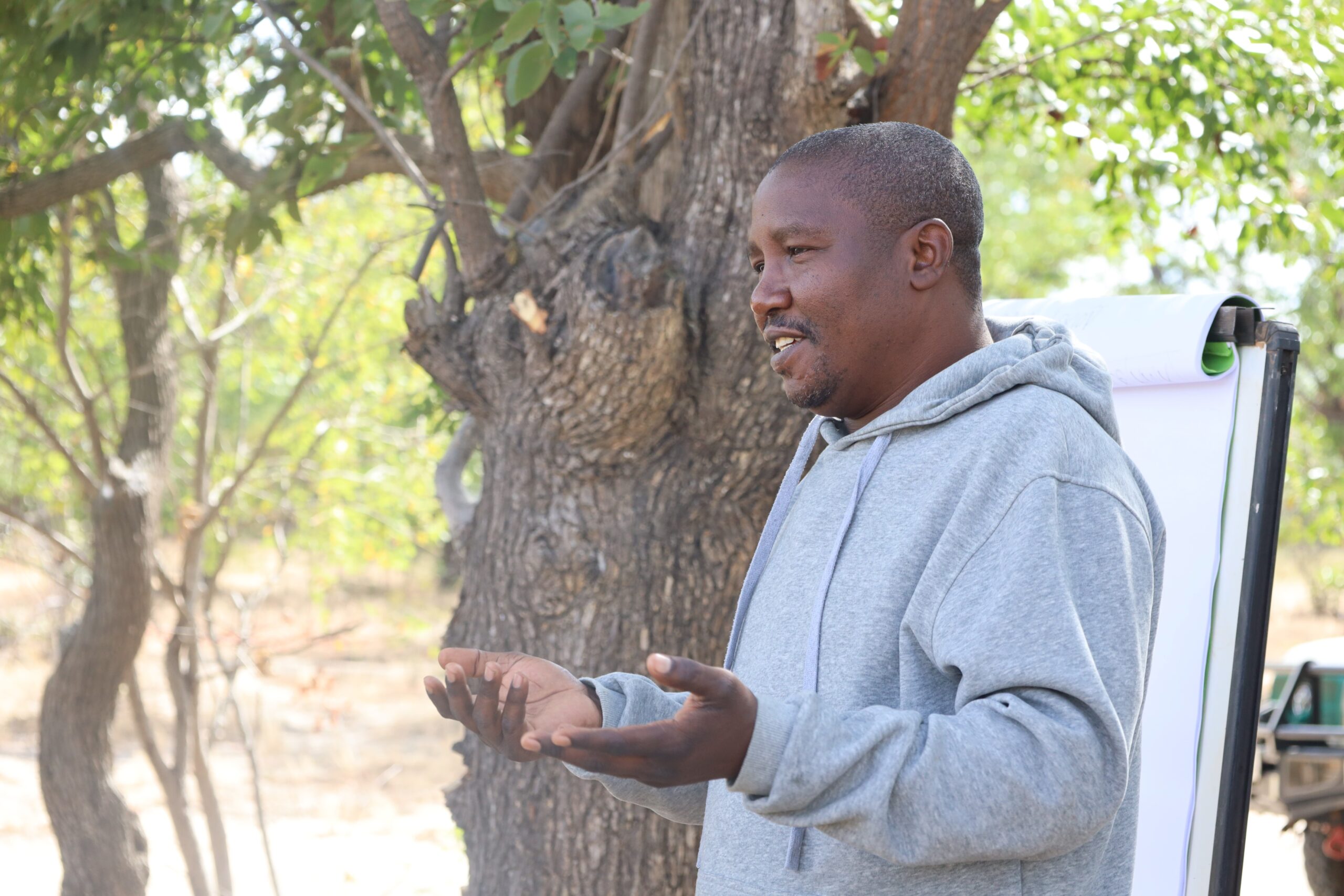
Photo by Andreas Muhwanga / Landscape Alliance
The SWM Programme’s work is guided by the One Health approach, which recognizes that the health of people, animals and ecosystems is interdependent.
By placing communities at the centre of surveillance and prevention, the programme is helping veterinary services detect threats sooner, target their response and protect households that depend on healthy livestock.