

carbon markets
-
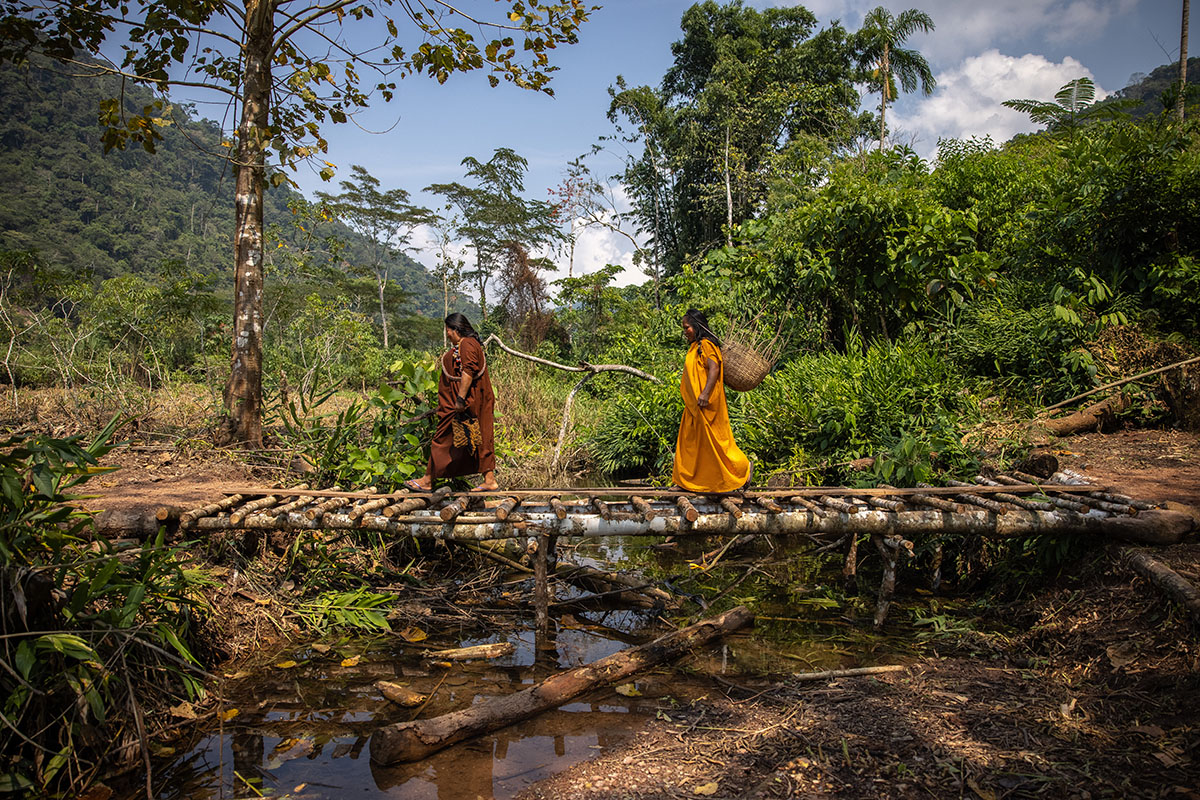
Who defines “high-integrity” carbon? In Peru, Indigenous groups are not waiting for an answer
What makes carbon credits truly “high integrity”? A new study explores how Peru’s Indigenous-led jurisdictional REDD+ coalition is reshaping the…
7 min read -

Governance, not just carbon accounting, is key to jurisdictional REDD+ success
Evidence from Indonesia, Brazil and Peru shows that jurisdictional REDD+ is more likely to succeed when Indigenous Peoples and local…
8 min read -

REDD+ can make poor households more vulnerable
Protecting tropical forests while supporting local communities is the core idea behind Reducing Emissions from Deforestation and Forest Degradation (REDD+),…
5 min read -
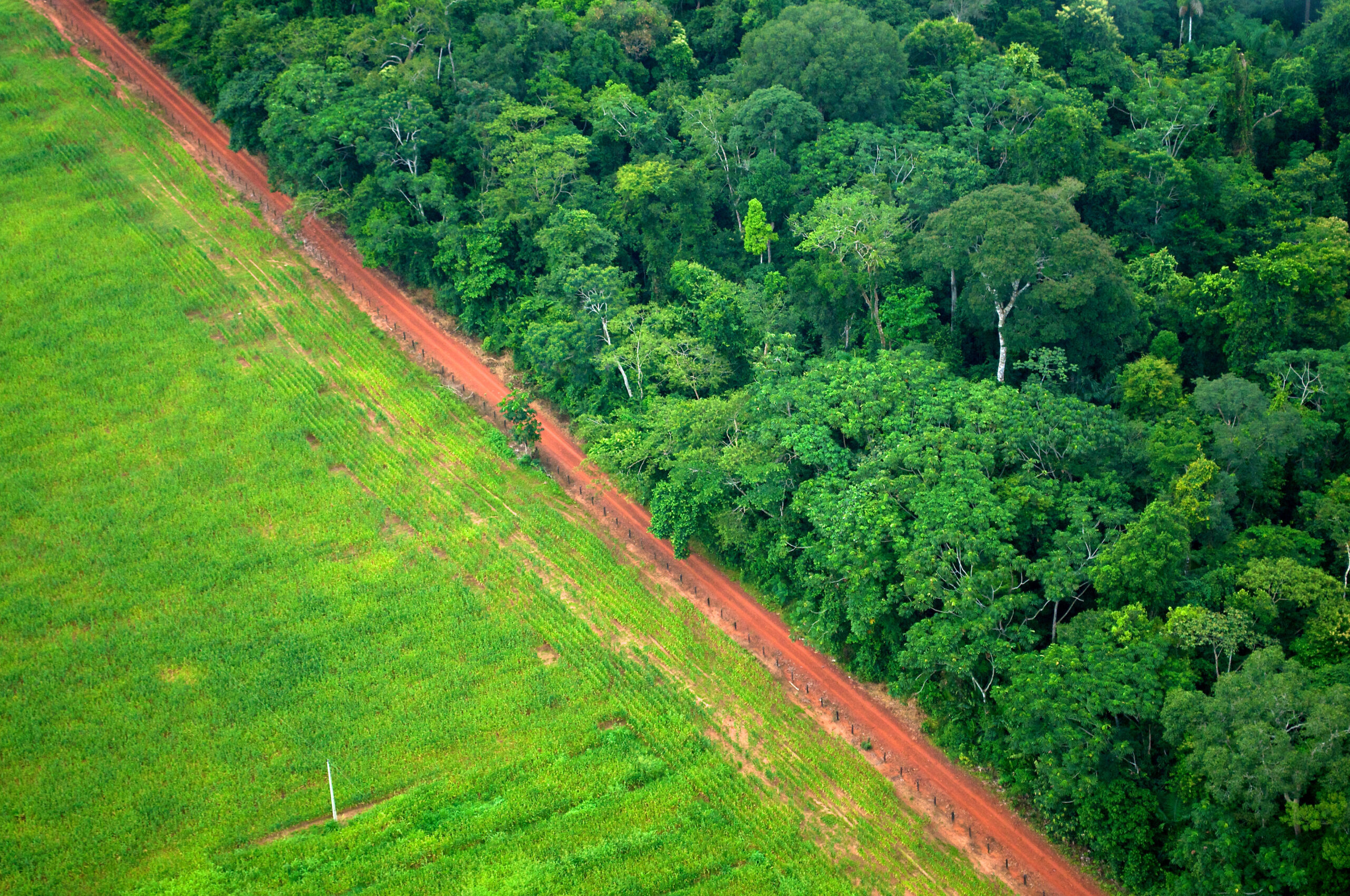
The Belém Paradox: Why the ‘Forest COP’ couldn’t save the trees
We have just wrapped up COP30, the Amazon COP, in Belém, Brazil. The setting couldn’t have been more symbolic: the…
5 min read -

Not all carbon credits are created equal
Carbon credits—intended to represent greenhouse gas reductions or removals—have become a prominent tool in the global response to the climate…
6 min read -

How to get carbon markets right
Carbon markets have been variously lauded as a critical part of addressing the climate crisis, and criticized as empty greenwash.…
5 min read -

New accounting methods could rebuild confidence in forest carbon markets
Forest carbon markets have a vital role to play in helping fund greenhouse gas (GHG) emission reductions in order to…
7 min read -

Increasing ecosystem carbon is good for species, says new study
It is widely assumed that land uses that increase carbon in biomass and soil to mitigate climate change also benefit…
4 min read -
A brief explainer of how REDD+ finance works
In one of largest ongoing efforts to tackle climate change, projects happening the world under the framework of REDD+ –…
11 min read -

The rush to ratification of the Paris Agreement
At the time of writing, according to the UNFCCC website tracking ratifications of the Paris Climate Agreement (PA), we currently…
8 min read -

Balancing Transparency and Non-State Actors in the Climate Negotiations
In the lead-up to the first formal UNFCCC Subsidiary Body meeting since the Paris Agreement (PA), there was palpable anticipation…
9 min read -

Countdown to Paris: 10 climate concerns related to forests and land use
As we approach the second half of 2015 – and the Bonn climate change conference – with high expectations for…
10 min read -

Finance for sustainable landscapes: Momentum is building
The landscape approach is largely about working across institutional boundaries – boundaries that evolved for good reason but now sometimes…
5 min read -

REDD+ to the rescue of Central Africa’s forests? Not yet, study says
NAIROBI, Kenya—Enforcing sustainable logging and assigning a monetary value to the carbon stored in forest concessions managed under the REDD+…
5 min read -

Does the head of Indonesia’s new REDD+ agency have the toughest job in climate change?
At a glance : In Indonesia, REDD+ is being used to align institutions and straighten out tenure issues. In fact,…
25 min read